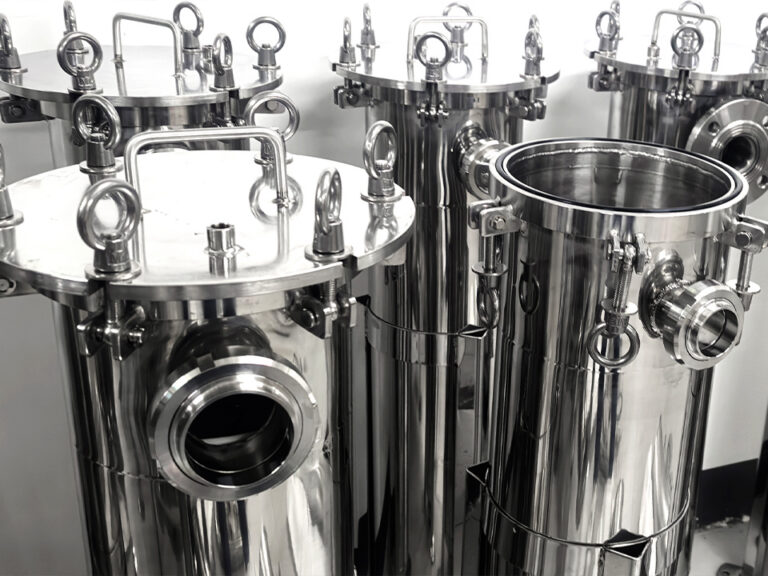
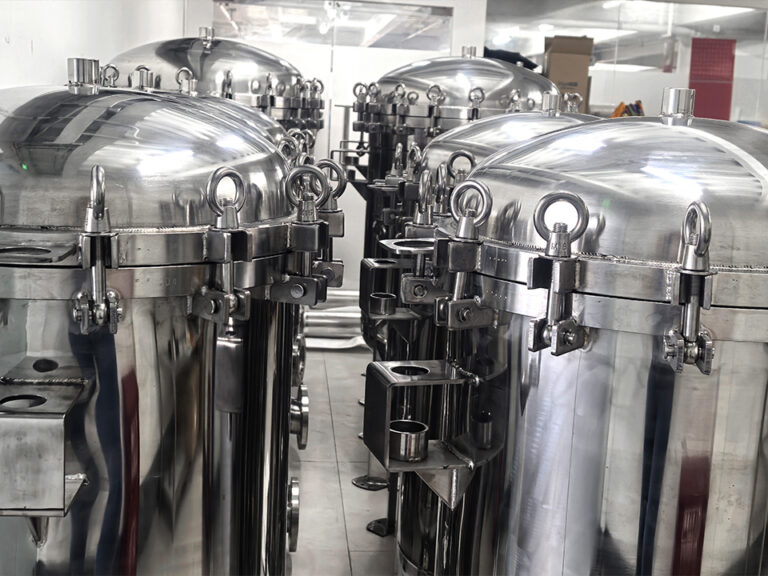
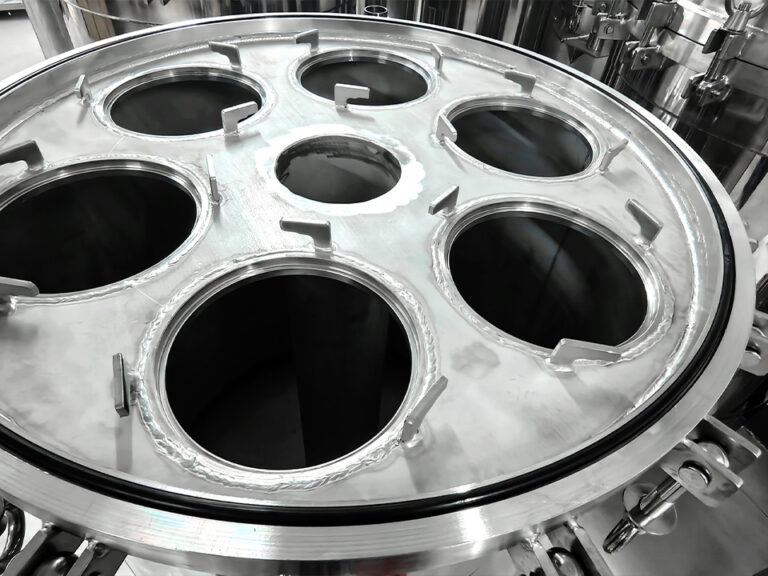
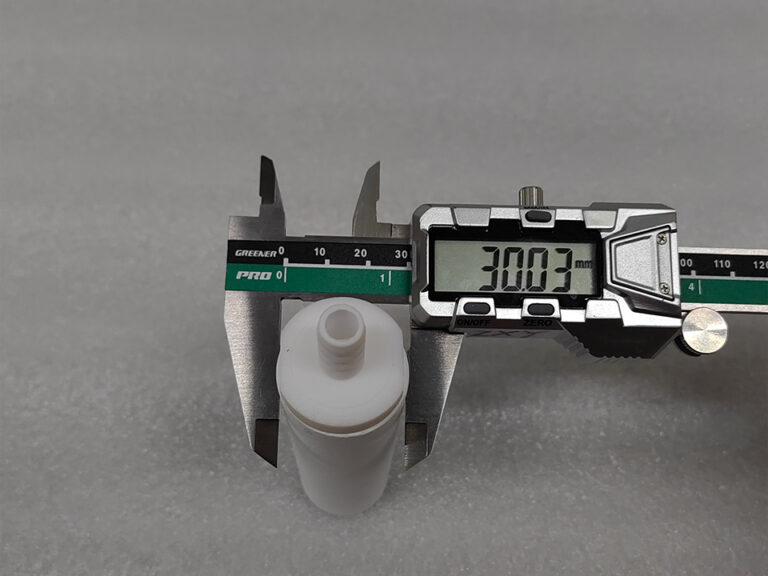
Компания Guangzhou Lvyuan Water Purification Equipment Co., Ltd. является производителем промышленных фильтров, основанная в 2009 году, которая разрабатывает и производит корпуса фильтров из нержавеющей стали, резервуары для стерильной воды из нержавеющей стали, фильтрующие элементы, фильтровальные мешки, ультраполимерные материалы и спеченные фильтрующие продукты. Покупатели выбирают Lvyuan за поддержку OEM/ODM, контроль качества ISO9001 и сертификацию в нескольких странах.
Компания Guangzhou Lvyuan Water Purification Equipment Co., Ltd.
Применение бутылочных фильтров для увлажнителей для производителей медицинского оборудования
Крошечный фильтр, который никто не хочет рассматривать
Фильтры информируют о сказках.
Фильтр для бутылки увлажнителя - это один из тех компонентов, которые прячут в спецификации материалов, оценивают как второстепенный, пересказывают командам по поиску поставщиков, а затем критикуют сразу после того, как контейнер начинает ужасно пениться, шумно шипеть, неравномерно булькать, рано засоряться или вызывать вопросы у медсестер, которые видели, как слишком много “незначительных” аксессуаров превращаются в хлопоты по обслуживанию.
Почему же суровые OEM-производители до сих пор занижают его характеристики?
Я достаточно посидел на дискуссиях по выбору компонентов, чтобы знать схему. Бутылка получает рендеринг. Колпачок получает кучу сопротивлений. Интерфейс расходомера получает юридическое свидетельство. Маленький проницаемый фильтр на дне бутылки с кислородным увлажнителем получает пожимание плечами.
Это пожимание плечами дорогого стоит.
В дыхательных аппаратах “экономичность и сырость” - вредное сочетание. Служба инфекционного контроля CDC предупреждает, что влажная медицинская среда и жидкие растворы могут стать резервуарами для микроорганизмов, передающихся водным путем, а пути передачи инфекции включают в себя вдыхание аэрозолей и попадание загрязненной воды. Это не означает, что каждый фильтр контейнера увлажнителя является препятствием для дезинфекции. Это не так. Однако это означает, что производители комплектующих должны перестать верить в то, что этот элемент является лишь диффузором для пузырьков.
Что на самом деле делает контейнерный фильтр увлажнителя воздуха внутри OEM-гаджета
Контейнерный фильтр для увлажнителя - это пористый диффузор, устанавливаемый внутри баллона кислородного увлажнителя, чтобы разделить поступающий газ на контролируемые пузырьки, повысить контакт газа с водой, стабилизировать процесс увлажнения, снизить уровень шума и избежать турбулентности крупных пузырьков, которая может нарушить температуру воды, комфорт клиента и стабильность работы устройства.
Непростая истина: в некоторых кислородных системах с малым расходом воздуха фильтр не предназначен для “фильтрации”, как, например, HEPA-фильтр. Как правило, он служит для диффузии.
Это различие связано с тем, что неправильный рекламный язык может привести к разочарованию руководства и врачей. Если OEM-производитель называет его микробным фильтром, антимикробным фильтром, чистым и стерильным фильтром или компонентом для предотвращения инфекций, требования к доказательствам меняются. Если деталь представляет собой проницаемый полиэтиленовый фильтр для увлажнителей, используемый для контроля пузырьков, план требований должен быть сосредоточен на структуре пор, сопротивлении потоку, угрозе экстрактивных веществ, чистоте частиц, стабильности размеров, сохранении сварки или прессования, а также прослеживаемости комплекта.
Для фильтрации окружающего пространства OEM-производители обычно сравнивают проницаемые полимерные компоненты с глубинными средами и картриджами с мембранным слоем. A Картридж для глубинного фильтра из полипропилена, выдуваемого методом расплава не является альтернативой увлажняющему диффузору, но служит рекомендательным фактором для определения того, как именно ведет себя полипропиленовая среда в условиях глубинной нагрузки и микронного рейтинга. Для систем подачи чистого и стерильного воздуха или сжатого газа, расположенных выше по течению, обсуждение часто меняется в сторону SS 304/316 нержавеющей стали стерильный воздушный фильтр недвижимости и подтвержденными мембранными сборками вместо диффузоров на уровне бутылок.
Разные задачи. Различные риски.
Почему OEM-производители медицинского оборудования используют фильтры для контейнеров увлажнителей
Производители оборудования для клиник используют контейнерные фильтры для увлажнителей, поскольку им требуется повторяющаяся диффузия газа, предсказуемый размер пузырьков, соответствующее противодавление, более тихая работа и надежное увлажнение в кислородных концентраторах, флоуметрах, настенных поверхностных кислородных системах, кислородных комплектах для чрезвычайных ситуаций, кислородных аксессуарах для домашнего ухода, а также в медицинских центрах для отгрузки кислорода.
Приложения не привлекательны. Они реальны.
Общий фильтр контейнера увлажнителя OEM может использоваться в баллонах кислородного увлажнителя для лечения кислородом с малым расходом кислорода, в сборках фильтров пузырьков медицинского кислорода, одноразовых упаковках увлажнителя, многоразовых контейнерных системах, устройствах концентратора кислорода для домашнего ухода и системах увлажнения дыхательной системы под частной маркой. В источнике данных FDA по категориям инструментов газовые увлажнители дыхательной системы в соответствии с 21 CFR 868.5450 отнесены к устройствам класса II, а стандарт ISO 80601-2-74, разработанный FDA, распространяется на устройства для увлажнения дыхательной системы, а также на устройства, которые могут повлиять на фундаментальную безопасность или жизненно важные характеристики.
Последняя фраза должна напугать случайных покупателей: устройства, которые могут влиять на производительность.
Потому что фильтр может.
Если размер пор слишком велик, пузырьки становятся крупными, перемешивание воды увеличивается, а эффективность может показаться небрежной. Если размер пор слишком мал, падение напряжения возрастает, подача потока смещается, и контейнер может казаться ограниченным. Если меняется вся партия материала и никто не подтверждает наличие экстрактивных веществ или привычки к склеиванию, OEM-производитель получает в наследство неудачные параметры, которые он не предусмотрел в изделии.
Груда требований OEM-производителей: Что бы я потребовал до получения разрешения
Самый эффективный фильтр для бутылок увлажнителей для медицинских OEM-производителей - это не самая дешевая пористая пробка; это фильтр, который обеспечивает циркуляцию пор, утечки воздуха в конструкции, допустимые размеры, санитарные условия, идентичность продукции и отслеживаемость партии в тех же условиях, в которых готовый гаджет будет находиться при производстве, хранении, доставке и использовании.
Вот мое нежелательное зрелище: аудиты поставщиков выдают меньше, чем доказательства поставщиков.
Если поставщик не может продемонстрировать контроль материалов, температурные режимы спекания, испытания на разрыв или удержание, контуры воздушных потоков, помощь в обеспечении биосовместимости и дисциплину контроля изменений, то поездка на опрятный производственный объект - это театр. Последнее руководство FDA по системе менеджмента качества от 2024 года более тщательно согласовывает требования к CGMP для устройств с ISO 13485:2016 и вступает в силу 2 февраля 2026 года, что подталкивает OEM-производителей к усилению логики контроля поставщиков, а не к ослаблению покупательских привычек.
Для проверки фильтрации более высокого класса OEM-производители могут дополнительно стандартизировать поведение мембранного слоя, используя Плиссированный фильтрующий картридж из ПП/ПТФЭ толщиной 0,2 микрона. И снова не та же самая часть. Однако она предлагает дизайнерам более чистый язык для анализа ранжирования пор, снижения напряжения, допущений о честности и того, что должен означать “фильтр” при страховом случае.
И утверждения имеют значение.
В апреле 2024 года Управление по контролю за продуктами и лекарствами США (FDA) объявило о федеральном разрешении против компании Philips Respironics после масштабного отзыва дыхательных устройств, связанного с неисправностью пенополиуретана, затронувшего 15 миллионов инструментов по всему миру и ограничившего производство и продажу конкретных инструментов до удовлетворения потребностей. Нет, фильтр для бутылки увлажнителя - это не пенополиуретан. Но урок вполне применим: изделия для дыхательных инструментов, которые падают, портятся или не проходят контроль качества, могут перейти из разряда “проблем с компонентами” в разряд бизнес-ситуации.
Проницаемый полиэтилен, полипропилен, тефлон и спеченный металл: Какой фильтрующий материал имеет смысл?
Проницаемый полиэтилен преобладает в фильтрах для кислородных увлажнителей, поскольку он может использовать регулируемый каркас пор, низкую стоимость, химическую стойкость, податливую геометрию и предсказуемую диффузию пузырьков, в то время как полипропилен, тефлон и спеченная нержавеющая сталь могут быть выбраны, когда уровень температуры, химическое прямое воздействие, требования стерильности, стресс или циклы очищения требуют другого материала.
Мне нравится пористый полиэтилен для многих применений контейнерных диффузоров. Вот, я высказался.
И все же я не люблю ленивые пористые полиэтилены.
Опытный фильтр для увлажнителя из пористого полиэтилена должен включать в себя определенные размеры мелких пор, массив воздухопроницаемости, допустимую плотность, гидрофобные или смачивающие свойства, ограничения по содержанию частиц и распознавание материала. Клинический фильтр для кислородного барботера, который сильно варьируется в разных наборах, - это не “универсальное производство”. Это генератор жалоб с низкой стоимостью единицы продукции.
Спеченная нержавеющая сталь используется в тех случаях, когда от гаджета требуется механическая прочность, долговечность очистки, термостойкость или совместимость с агрессивными химическими веществами. Для жидкостных или прочных промышленных контрастов используются Картридж фильтра из пористой спеченной стали SS316 демонстрируют, как металлические носители могут выдерживать архитектурную защиту и заданные фильтрационные действия в более жестких условиях эксплуатации. Однако для многоразовых кислородных баллонов нержавеющая сталь - это, как правило, излишество, если только OEM-производитель не использует особый принцип многоразового использования или высокого давления.
Триггерный углерод?
Как правило, нет.
A Картридж фильтра с угольным блоком, срабатывающий на заказ принадлежит к адсорбции и дискуссиям о вкусе/запахе или химическом восстановлении, а не в качестве легкой замены диффузора увлажнителя воздуха. Я бы с сомнением отнесся к любому поставщику, который пытается продать углерод прямо в газовый увлажнитель человека без серьезных аргументов в пользу материального риска.
Карта приложений для OEM-производителей клинических устройств
Применение OEM
Особенность фильтра
Инструкции по работе с общими материалами
Главная инженерная опасность
Что бы я обязательно проверил в первую очередь
Контейнер для кислородного увлажнителя с низким расходом
Диффузия пузырьков и снижение уровня шума
Проницаемый полиэтилен или полипропилен
Непостоянный размер пузырьков, высокое падение напряжения
Контур воздушного потока при 1-15 л/мин
Контейнер для принадлежностей кислородного концентратора
Стабильное увлажнение
Проницаемый полиэтилен
Минеральный налет, неправильное использование, количество проблем
Устойчивость к течению после воздействия воды
Настенный кислородный барботер для медицинских учреждений
Повторяющаяся диффузия газа
Проницаемый полиэтилен, полипропилен или специализированный полимер
Несоответствие партии, несоответствие установки крышки/бутылки
Пузырьковый рисунок и скрининг удержания
Многоразовый пакет для увлажнения
Недорогое использование для одного пациента
Пористый полиэтилен
Потеря частиц, плохая прослеживаемость
Экран чистоты и экстрактивных веществ
Увлажнитель в сборе из вторсырья
Долговечность при очистке
ПП, ПТФЭ или спеченный металл
Химический удар, размерная ползучесть
Совместимость с циклами очистки
Высокотехнологичная система увлажнения воздуха
Поддержка производительности устройства
Проверенный полимерный или мембранный стиль
Завышенная функция очистки
ISO 80601-2-74 свидетельство важности
Проблемы с водопроводной водой, которые тихо обходят OEM-производители
Злоупотребление водой из-под крана - один из самых неприятных фактов в домашнем лечении дыхательных путей, поскольку клиенты часто думают, что питьевая вода не представляет опасности для увлажнителей, CPAP-камер и других подобных устройств, в то время как реальная угроза зависит от аэрозолизации, очистки устройства, выживания микроорганизмов, минералов, биопленки и иммунного состояния человека.
Данные неприятные. В исследовании CDC, опубликованном в 2023 году, 42% респондентов заявили, что водопроводная вода может использоваться в устройствах для дыхательной системы, а 24% сообщили о загрузке увлажнителей или CPAP-оборудования водой из-под крана.
Это не только проблема фильтров. Это проблема инструкции по применению, проблема маркировки, проблема человеческого фактора, а иногда и проблема обучения дистрибьюторов.
Но дизайнеры OEM все равно должны создавать для правды, кроме чистой фантазии в справочнике. Если фильтр увлажнителя медицинского оборудования OEM быстро блокируется после воздействия минералов, пациент может снять его, воткнуть, плохо вымыть или заменить контейнер на аксессуар другого бренда. Если диффузор издает удручающий шум при большом потоке, ухаживающий может ныть. Если происходит перенос воды, поскольку пузырьки также недружелюбны, вся система выглядит дешево.
А дешевые инструменты для дыхательной системы быстро теряют доверие.
Как выбрать контейнерный фильтр для увлажнителя воздуха для медицинских гаджетов
Выбирая фильтр для контейнера увлажнителя, сопоставляйте размер пор, воздухопроницаемость, химический состав продукта, геометрию установки, уровень чистоты, прослеживаемость и валидацию с планируемым использованием готового респираторного устройства, предполагаемым диапазоном расхода, типом воды, окружением клиента, нормативной базой и классификацией требований.
Я бы начал с 7 вопросов:
Может ли дистрибьютор предоставить данные по утечкам воздуха на уровне партии в структурных данных?
Каков размер малых пор и диапазон фактического распределения?
Осаждаются ли частицы в фильтре после ультразвуковой очистки, вибрации или сухих и мокрых велосипедов?
Выдержит ли изделие чистую и стерильную воду, дистиллированную воду, кипяченую и охлажденную воду, а также химические средства для чистки?
Фильтр-пресс подгоняется, сваривается, склеивается, вставляется в форму или удерживается механически?
Информирует ли поставщик OEM-производителя перед внесением изменений в материал, пигмент, пресс-форму, технологический процесс или установку?
Понимает ли рекламная и маркетинговая группа, что “диффузор” и “микробный фильтр” - это не одно и то же утверждение?
Последнее спасает от судебных разбирательств.
Для более широких прототипов, расположенных на воде, некоторые группы будут сравнивать полимерные каркасы с Полипропиленовый фильтр глубины с раздувом из расплава для распознавания действий по заполнению, но последняя схема контейнера для медицинского кислородного увлажнителя все еще требует подтверждения для конкретного устройства. Микроновый рейтинг брошюры не является подтверждающим документом.
В чем заблуждаются покупатели комплектующих
Покупатели комплектующих часто приобретают фильтры для бутылок увлажнителей неправильно, рассматривая их как товарные пластмассы, а не как регулируемые компоненты дыхательных устройств, что приводит к неадекватно документированным заменам материалов, нестабильной структуре пор, неясным страховым заявлениям об эффективности и решениям поставщиков, основанным на цене системы, а не на угрозе жизненному циклу.
За самой низкой ценой обычно скрываются три вещи: слабый контроль над процессом, тонкие документы и чрезвычайно дорогостоящая будущая цепочка электронных сообщений.
Я не утверждаю, что каждый бутылочный фильтр увлажнителя требует документов аэрокосмического уровня. Это было бы неразумно. Я утверждаю, что документы должны соответствовать страховому случаю и риску. Если готовое средство поступает в FDA, EU MDR, UKCA, NMPA или другие управляемые каналы, то для закупки требуется нечто большее, чем образец мешка и радостный счет-фактура.
Фильтр должен соответствовать опасному файлу.
ЧАСТО ЗАДАВАЕМЫЕ ВОПРОСЫ
Что такое бутылочный фильтр для увлажнителя?
Фильтр для бутылки увлажнителя - это проницаемый диффузорный элемент, размещаемый внутри бутылки кислородного увлажнителя для разделения входящего газа на более мелкие пузырьки, увеличения контакта газа с водой, поддержания увлажнения, снижения шума и поддержки повторяющейся эффективности подачи кислорода в медицинских, домашних и больничных дыхательных аксессуарах.
Проще говоря, он делает бульканье контролируемым, а не хаотичным. Обычно он не обеззараживает газ или воду, если только OEM-производитель не создал, оценил, классифицировал и проверил его для этого конкретного случая. Многие детали фильтров для клинических кислородных барботеров должны быть специфицированы по размеру пор, снижению напряжения, воздушному потоку, безопасности материала и аккуратности.
Безопасен ли проницаемый фильтр увлажнителя из полиэтилена для использования в медицинских гаджетах OEM?
Фильтр увлажнителя из пористого полиэтилена может быть пригоден для использования в клинических приборах, если смола, структура пор, профиль экстрактивных веществ, размерная стойкость, степень санитарии и процесс контроля изменений поставщика проверены в соответствии с диапазоном циркуляции готового прибора, воздействием воды, маркировкой, контингентом пациентов и способом управления.
Продукт не сразу становится хорошим или плохим. ПЭ широко используется, поскольку он экономичен и легко поддается формовке, однако OEM-производитель должен подтвердить эффективность после смачивания, вибрации при транспортировке, старения в складских помещениях и предсказуемого неправильного использования. “Медицинский класс” без информации об испытаниях - это всего лишь торговая фраза.
Устраняет ли фильтр баллона кислородного увлажнителя микробы?
Контейнерный фильтр кислородного увлажнителя, как правило, не избавляет от микроорганизмов, если только он не разработан и не подтвержден в качестве барьера для микроорганизмов, поскольку некоторые контейнерные фильтры представляют собой проницаемые диффузоры, предназначенные для формирования пузырьков, снижения турбулентности и управления дисперсией газа, а не для стерильной фильтрации или удержания бактерий.
Здесь поставщики часто допускают небрежность. Если деталь является только диффузором, назовите ее диффузором. Если это фильтр для микроорганизмов, покажите задержку микроорганизмов, стабильность, производительность потока, биосовместимость и стабильность условий использования. Рекламные и маркетинговые формулировки никогда не должны опережать валидацию.
Как OEM-производители должны оценивать фильтр увлажнителя Clinical Gadget OEM?
OEM-производители должны оценить фильтр для увлажнителей клинических приборов по сопротивлению воздушному потоку, однородности рисунка пузырьков, проверке размера пор, осыпанию частиц, идентификации продукта, тестированию экстрактивных веществ, удержанию настроек, тестированию на воздействие воды, старению, совместимости с чистящими средствами и повторяемости от партии к партии при реальных проблемах использования готовой бутылки увлажнителя.
Я бы также проверил звук и восприятие пользователя. Инженерам нравятся кривые давления, но дипломированные медсестры и люди, работающие на дому, обнаруживают шипение, разбрызгивание, пенообразование и видимые отклонения. Технически полезный диффузор, который выглядит неустойчивым внутри контейнера, все равно может нанести вред продукту.
Какой самый лучший контейнерный фильтр для увлажнителя для медицинских OEM-производителей?
Лучший фильтр для контейнеров увлажнителей для медицинских OEM-производителей - это фильтр, который обеспечивает устойчивую диффузию газа, уменьшенное и повторяющееся падение давления, чистые материалы, надежное сохранение настроек, подтвержденную совместимость с желаемыми условиями воды и документацию поставщика, достаточную для прохождения экспертизы конструкции, расследования жалоб и оценки регулирующих органов.
Этот ответ кажется гораздо менее интересным, чем “используйте 20-микронный пористый полиэтилен”, но он более искренен. Выбор лучшего фильтра зависит от объема потока, количества бутылок, индивидуальной группы, предположения об очистке, конструкции, не допускающей повторного использования, и от того, заявляет ли OEM-производитель о диффузии или о фильтрации.
Заключение
Не позволяйте самому маленькому компоненту в контейнере увлажнителя стать самой слабой линией в фоновом файле гаджета.
Для OEM-задач, связанных с разработкой фильтра для бутылки увлажнителя, образца фильтра для контейнера кислородного увлажнителя, модификации фильтра для увлажнителя из пористого полиэтилена или проверки фильтра для увлажнения воздуха, начните с чертежа, схемы потока, геометрии контейнера, целевого размера пор, требований к материалам и предположений по документации. Затем заставьте дистрибьютора ответить на сложные вопросы до изготовления инструмента, а не после возникновения проблем.