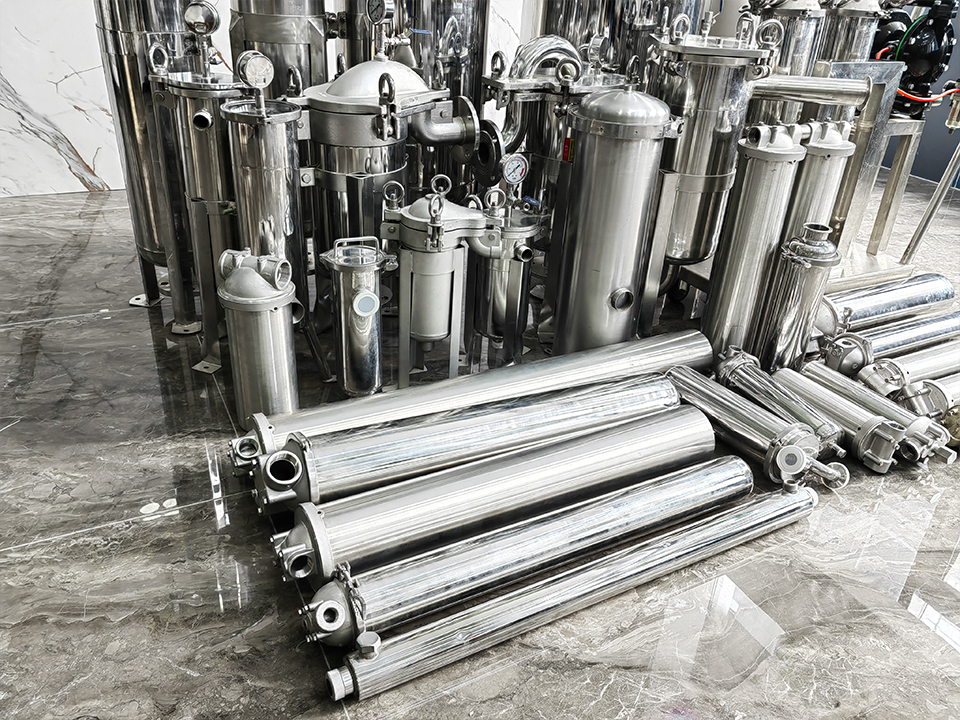
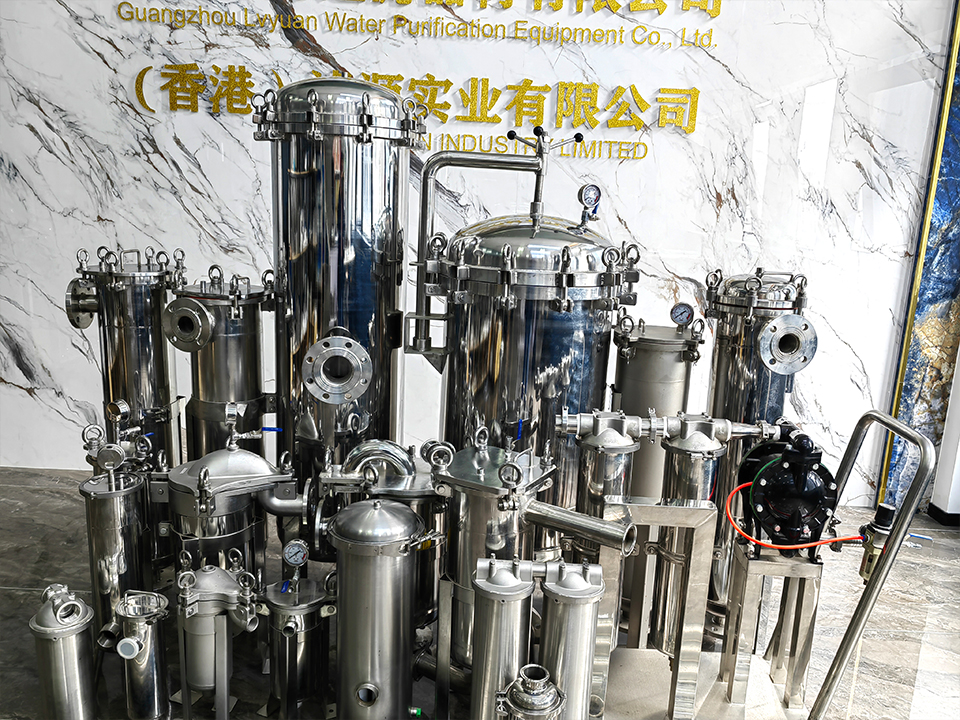
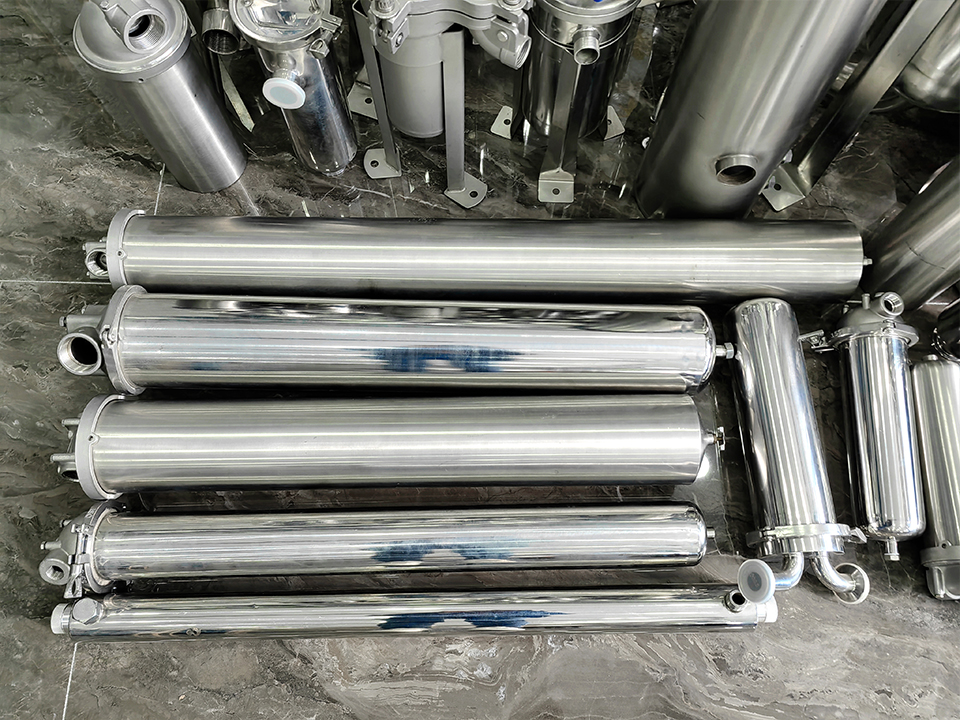
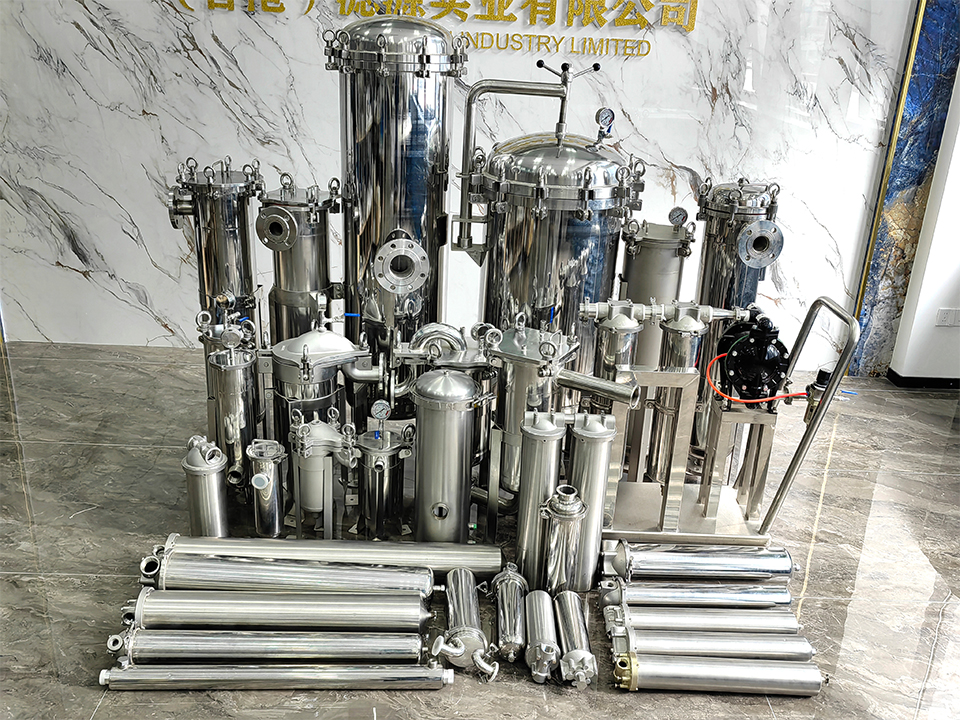
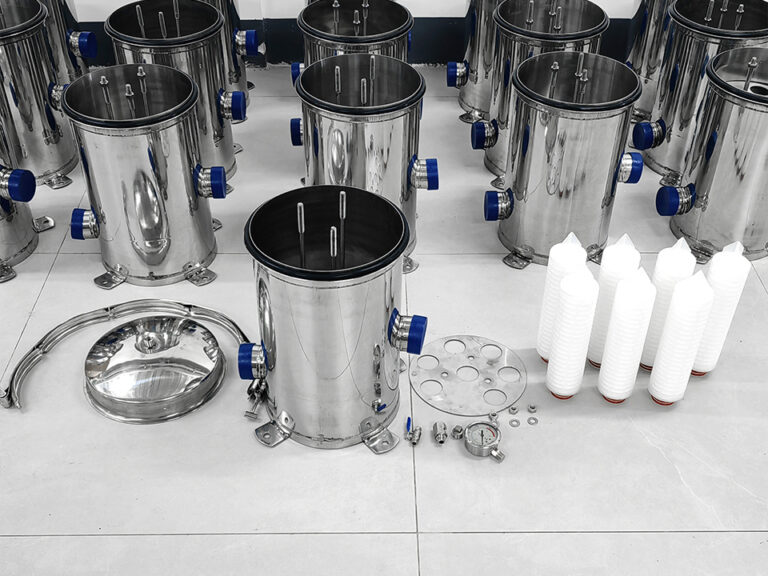
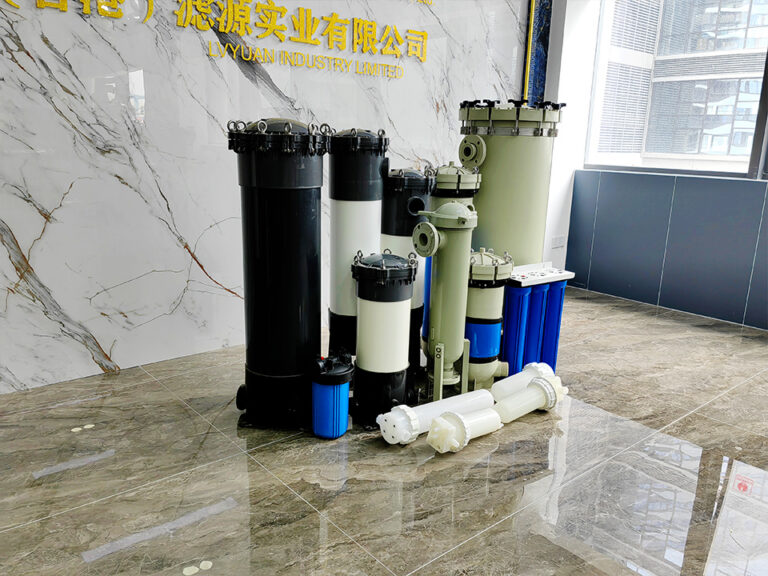
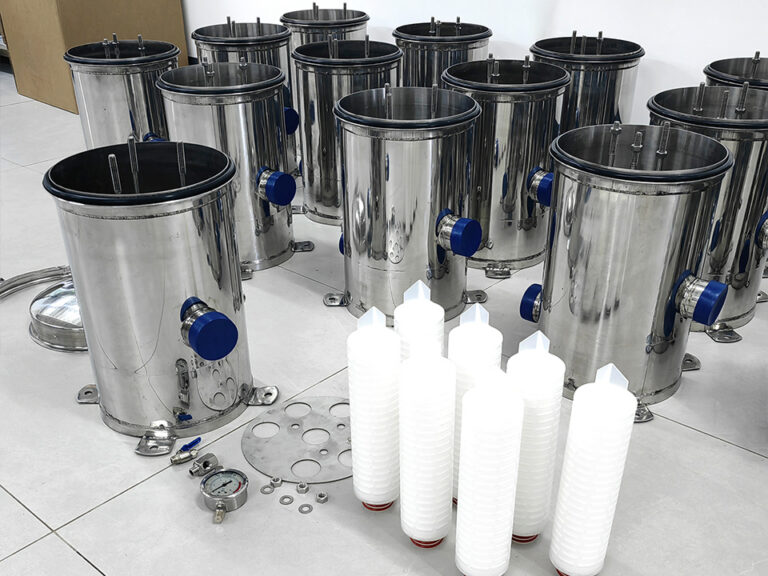
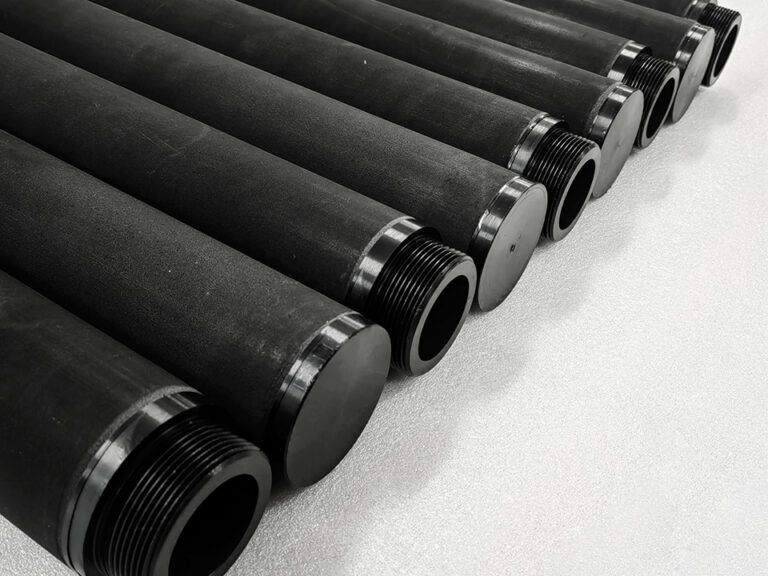
Компания Guangzhou Lvyuan Water Purification Equipment Co., Ltd. является производителем промышленных фильтров, основанная в 2009 году, которая разрабатывает и производит корпуса фильтров из нержавеющей стали, резервуары для стерильной воды из нержавеющей стали, фильтрующие элементы, фильтровальные мешки, ультраполимерные материалы и спеченные фильтрующие продукты. Покупатели выбирают Lvyuan за поддержку OEM/ODM, контроль качества ISO9001 и сертификацию в нескольких странах.
Компания Guangzhou Lvyuan Water Purification Equipment Co., Ltd.
Модель пятилетней совокупной стоимости владения для корпуса фильтра и картриджа Руководство по покупке
Большинство покупателей обманывают себя в отношении реальных цен на недвижимость.
Не со злым умыслом. Просто небрежно.
Они сравнивают цены на оборудование, присматриваются к стоимости картриджей, запрашивают вариант с 5-микронным фильтром, возможно, требуют нержавеющую сталь из-за того, что “клиенту нравится нержавеющая”, а затем утверждают систему, которая в течение 5 лет будет обходиться дорого в обслуживании. Я наблюдал эту схему в таких областях, как водоочистка, производство красок, гальваника, предварительная очистка перед обратным осмосом, энергетические контуры, контактирующие с пищевыми продуктами, гидравлическое масло, а также в тех неприглядных небольших проектах по очистке побочных потоков, которыми никто не хочет заниматься.
Счет — это лишь приманка. Настоящий счет придет позже.
A корпус фильтра Это не разовая покупка; это долгосрочное соглашение об эксплуатации, в котором уже заложено снижение давления, срок службы картриджа, трудозатраты, периоды простоя, расходы на утилизацию, избыточные запасы, риск выхода из строя прокладок и сложности с закупками. Поэтому данный обзор рынка фильтров построен вокруг одного вопроса, который, как мне хотелось бы, больше инженеров задавали бы перед подписанием заказа на поставку:
Сколько будет стоить эта система картриджных фильтров после пяти лет эксплуатации?
Суровая реальность: компании, предлагающие дешевые фильтры, обычно выигрывают тендер, но в итоге теряют заказ
Сразу оговорю один неприятный момент: многие коммерческие корпуса для фильтров, которые продаются на рынке, изготовлены не качественно. Их цена — это лишь приблизительная оценка.
Это звучит резко. Но это верно.
Заказчик запрашивает: “20 дюймов площади, картридж из полипропилена, 5 микрон, фильтрация коммерческих жидкостей”. Отвечают три дистрибьютора. Самое выгодное ценовое предложение сразу же заносится в таблицу. Кто-то спрашивает, подходит ли картридж к старому корпусу. Другой просит снизить цену. Никто не учитывает перепад давления на 18-м месяце или трудозатраты, возникающие, когда операторы заменяют картриджи каждые 9 дней вместо каждых 21.
Вот в этом и заключается утечка.
И это быстро обходится дорого, ведь качество корпуса фильтрующего картриджа зависит от его грязеудерживающей способности, конструкции, номинального давления, химической совместимости и регулярности замены. Недорогой корпус, требующий частой замены картриджа, может обойтись дороже, чем гораздо более качественный промышленный фильтр, уже в течение первого года эксплуатации.
Небольшая оплошность. Большой сарай.
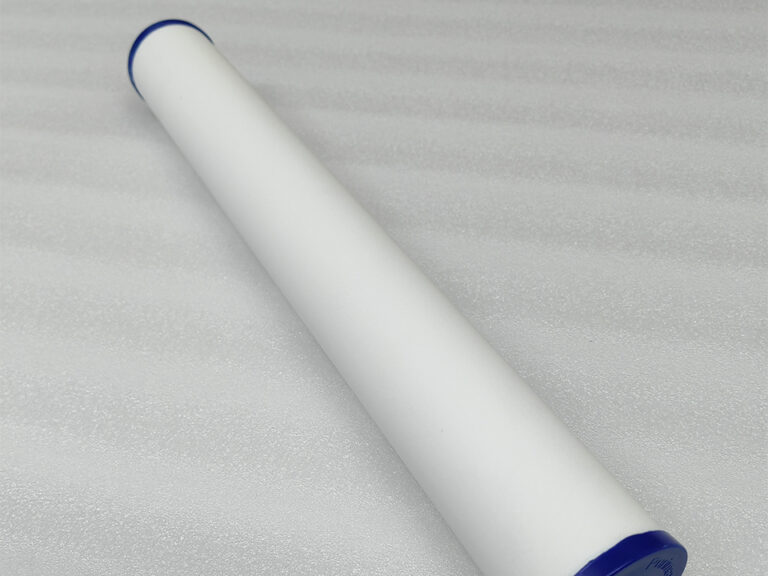
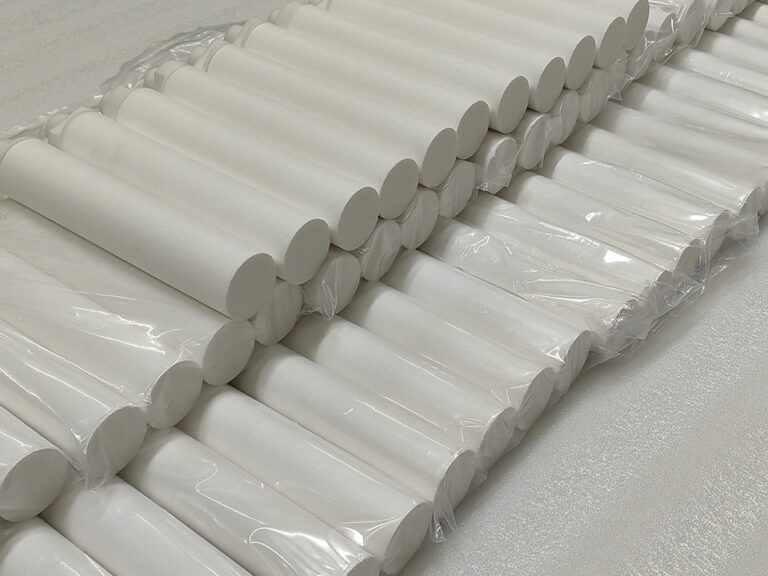
Например, картридж из полипропилена, изготовленный методом выдувания из расплава и используемый в качестве предварительного фильтра для осадка, может быть идеальным решением, если подаваемый поток содержит коррозионные вещества, песок, ил или взвешенные твердые частицы. Проблема возникает, когда потребители рассматривают все глубинные картриджи из полипропилена как взаимозаменяемые, не учитывая микронный класс, размер картриджа, наружный диаметр, конструкцию торцевых крышек и форму поверхности, которая влияет на поведение наполнителя. A Картридж с широкими канавками из полипропилена (PP) для корпусов размером 10, 20, 30 и 40 дюймов Это объясняется одной причиной: изменения в геометрии влияют на грузоподъемность, а грузоподъемность, в свою очередь, влияет на экономические показатели.
Что на самом деле означает пятилетняя совокупная стоимость владения (TCO) для корпуса фильтра
Пятилетняя совокупная стоимость владения (TCO) системы фильтрации — это полная стоимость владения, включающая в себя стоимость оборудования, картриджей, трудозатраты, простои, энергозатраты, связанные с потерями давления, утилизацию отходов, дополнительные компоненты и риски, связанные с качеством, в течение пяти лет эксплуатации. Этот показатель определяет, во сколько обойдется эксплуатация системы, а не ее первоначальная стоимость.
Это определение имеет значение, поскольку самая дешевая недвижимость в первый день может превратиться в самую дорогую недвижимость в этом районе.
Вот формула, которую я использую при анализе предложения по системе картриджных фильтров:
Пятилетняя совокупная стоимость владения (TCO) = первоначальные затраты на размещение + затраты на картриджи + затраты на оплату труда + затраты, связанные с простоями + затраты на утилизацию + затраты на снижение стресса + затраты, связанные с отказами/рисками + затраты на хранение запасов
Многие поставщики стремятся обсуждать только первые два пункта. А я хочу рассмотреть все восемь.
Почему? Потому что картридж, который обходится на $4,20 дешевле, но печатает в два раза быстрее, — это не экономия. Это абонемент на обслуживание с отрицательной документацией.
Пятилетняя версия TCO: практическая структура
Давайте создадим рабочую модель корпуса промышленного фильтра, используемого для предварительной фильтрации жидкостей.
Предположим следующий профиль работы:
Входная переменная
Традиционное предположение
Почему это важно
Рабочая процедура
16 часов в день, 300 дней в году
Рассчитывает годовой объем загрузки и объем замены материалов
Стиль жилья
Многокартриджный или большой одиночный картридж
Влияет на трудозатраты и количество картриджей
Размер картриджа
20–40 дюймов
Картриджи с большим сроком службы, как правило, позволяют сократить частоту их замены
Рейтинг микронов
1, 3, 5, 10, 25 микрон
Уменьшение количества микронов может значительно ускорить упаковку
Триггер смены
Рост перепада давления или потери в потоке
Предотвращает планирование замены «вслепую»
Ставка оплаты труда
$28–$65/час
Эти моменты часто упускаются из виду в таблицах по закупкам
Стоимость простоя
$150–$2 000 в час
В зависимости от типа установки и чувствительности технологического процесса
Цена реализации
Сведено к скромному
Может возникать при загрязнении маслом, краской, химикатами или сталью
Горизонт подготовки
5 лет
Достаточно времени, чтобы разобраться с невыгодными аспектами использования картриджей
А теперь о том, что не очень приятно: показатель занятости редко является основным индикатором.
Во многих реальных отчетах о закупках, с которыми я сталкивался, затраты на замену картриджей и трудозатраты превышают стоимость самого корпуса уже к концу второго года. Будь то предварительная очистка загрязненной воды, очистка потока масляных красок, предварительная фильтрация перед обратным осмосом или гидравлическая система бокового отвода — интервал замены картриджей в конечном итоге определяет всю финансовую картину.
Сколько килограммов твердого вещества он может выдержать, прежде чем перепад давления заставит водителя возненавидеть нас?
Пятилетняя таблица затрат, которой покупатели действительно должны пользоваться
Ниже приведено упрощенное сравнение совокупной стоимости владения (TCO) для трех вариантов приобретения. Указанные цифры являются типовыми расчетными данными, а не реальными ценами на мировом рынке, однако главное — это общая картина.
Динамика цен за 5 лет
Недорогое жилье + картридж с ограниченным сроком службы
Жилье среднего класса + улучшенный картридж
Улучшенная недвижимость + картридж с увеличенным сроком службы
Начальная цена недвижимости по фильтру
$420
$780
$1,250
Цена за один картридж
$6.80
$9.50
$14.00
Число замен картриджей в год
52
30
18
Картриджи, эксплуатируемые более 5 лет
260
150
90
Стоимость картриджа за пять лет
$1,768
$1,425
$1,260
Трудозатраты на одну замену
$22
$22
$22
Расходы на оплату труда за пять лет
$5,720
$3,300
$1,980
Расчетные затраты, связанные с простоями
$7,800
$4,500
$2,700
Утилизация и обращение с отходами
$650
$450
$315
Проблемы с уплотнителями/прокладками/запасными частями
$350
$275
$220
Расчетная пятилетняя совокупная стоимость владения (TCO)
$16,708
$10,730
$7,725
Обратите внимание на то, как в математике скрывается оскорбление.
Побеждает “дорогостоящая” недвижимость.
Это выгодно, поскольку затраты на корпус не являются основной статьёй расходов. Основную роль играют частота замены картриджей и время простоя. Рабочая сила. Неправильный подбор размера. Более рациональная схема закупок, безусловно, позволила бы каждому заказчику определить расходы на замену фильтрующих картриджей до принятия предложения по недвижимости, но многие компании по-прежнему разделяют капитальные затраты (capex) и операционные затраты (opex) таким образом, что ответственность за выбор неверной системы возлагается на не того человека.
Стоимость замены фильтрующего картриджа: при покупке большого количества эту сумму можно не учитывать
Стоимость замены фильтрующих картриджей представляет собой периодические затраты на покупку, установку, демонтаж и обслуживание картриджей в течение всего срока службы корпуса фильтра. Она включает в себя стоимость картриджей, затраты на замену, время, затрачиваемое на производство корпусов, затраты, связанные с перепадом давления, а также затраты на хранение запасов.
Картридж $5 — это не картридж $5.
Не в этом районе.
Если для данного картриджа требуются два привода, разрешение на закрытие, очистка от утечек, проверка прокладок и обработка перед повторным запуском, то это картридж $5 с покрытием $70. Если он выходит из строя раньше срока, поскольку номинальная степень очистки по микронам также оказывается недостаточной для входящих партий твердых частиц, ситуация может быть ещё хуже.
Именно здесь возникают проблемы с фильтрами 5 микрон. Покупатель требует фильтры 5 микрон, поскольку это звучит точно. Однако если подаваемый материал содержит много коррозионных отложений, песка, ила или крупного мусора, лучше применить многоступенчатый подход: сначала фильтр 25 микрон, затем 5 микрон, а в случае необходимости — окончательная очистка. A Картриджный фильтр из полипропилена с размером частиц 5 микрон может быть подходящим устройством; но это не обязательно самый первый инструмент.
Этот сектор ведет себя просто отвратительно: сначала он проводит чрезмерную фильтрацию, а потом еще и объявляет картридж непригодным.
Рейтинг по шкале Майкрона не является чертой личности
Мне действительно понравилось, как покупатели говорили о разнице между 1 микроном и 5 микронами, словно это было нечто само собой разумеющееся.
Неправильная дискуссия.
Выбор размера ячейки фильтра должен зависеть от типа загрязняющих веществ, характеристик последующих звеньев системы, требуемой степени очистки, расхода, вязкости и допустимого перепада давления. Картридж с размером ячейки 1 микрон, установленный на неправильном этапе предварительной фильтрации, может превратиться в одноразовое устройство, вызывающее падение давления. Картридж с размером ячейки 25 микрон, установленный на неправильном заключительном этапе, может пропускать мелкие частицы в мембрану, сопло, клапан или конечный технологический процесс.
Наилучшая система фильтрации для недвижимости и картриджей, как правило, представляет собой многоступенчатую систему, а не одноступенчатую.
Ниже приведены основные рекомендации, которыми я руководствуюсь:
Если ваш фильтрующий картридж быстро забивается, не спешите сразу покупать более дешевый картридж. Сначала проверьте, не слишком ли мала площадь фильтрации, не слишком ли высок номинальный размер частиц в микронах, не слишком ли короткий размер картриджа или не изменилось ли количество твердых частиц, поступающих в систему.
Объект недвижимости: из нержавеющей стали, пластика или “все, что указано в предложении”
При выборе фильтров для недвижимости необходимо учитывать давление, температуру, химический состав, гигиенические требования, риск коррозии и вероятность механического повреждения. В коммерческих условиях обычно используется нержавеющая сталь, однако в условиях пониженного давления и при химической совместимости могут применяться полипропилен или другие пластики.
Однако некоторые покупатели упускают из виду проверку совместимости.
Ошибка.
Вода — это не просто вода. Масляная краска — это не просто масляная краска. Гидравлическая фильтрация воды, промывка слоев, подача воды в систему обратного осмоса (RO), боковые потоки градирен, питьевая вода и процессы, связанные с использованием растворителей, создают различные риски. Проблемы, связанные с температурой. Важна роль уплотнительных колец. Проблемы с торцевыми заглушками. То же самое касается выбора материалов: EPDM, NBR, силикона и витона.
Обзор закупок, который никому не нужен: задайте эти вопросы, прежде чем спрашивать о цене
Прежде чем запрашивать оценку стоимости недвижимости с учетом фильтров, я прошу покупателей ответить на следующие вопросы:
Что именно является загрязнителем: коррозия, песок, ил, волокна, твердые частицы краски, частицы масла, нагар, биологические вещества или смешанные фрагменты?
Какова требуемая скорость циркуляции при загрязненном и чистом картридже?
Какой перепад давления запускает процедуру замены?
Какой класс по микронам требуется и кто это подтвердил?
Какой размер картриджа позволяет снизить частоту замены, не вызывая при этом проблем с установкой?
Какой тип торцевой заглушки требуется для данного объекта недвижимости: DOE, SOE, 222, 226, ребристая, плоская?
Какой уплотнительный кольцевой изделие подходит для данного состава жидкости?
Сколько же на самом деле стоит такая замена?
Необходимо обеспечить запас картриджей на 90 дней?
Что произойдет, если фильтр внезапно заблокируется?
Вот оно.
Именно это последнее обстоятельство отличает покупки любителей от закупок профессионалов.
Решение по пятилетней совокупной стоимости владения (TCO), которое можно перенести в электронную таблицу
Используйте этот дизайн:
TCO Line Thing
Формула
Цена на жилье
Ориентировочная стоимость аренды недвижимости + транспортные расходы + установка оборудования
Годовая стоимость картриджа
Стоимость картриджного устройства × количество картриджей на одну модификацию × количество модификаций в год
Стоимость картриджа за пять лет
Годовая стоимость картриджа × 5
Расходы на оплату труда
Количество рабочих часов на смену × стоимость рабочей силы × ежегодные корректировки × 5
Затраты, связанные с простоями
Количество часов простоя на каждую модификацию × стоимость часа простоя × количество модификаций в год × 5
Цена реализации
Стоимость утилизации одного использованного картриджа × количество картриджей, использованных за 5 лет
Снижение энергозатрат за счет уменьшения нагрузки
Расход энергии насоса (кВт) × количество часов работы × стоимость электроэнергии × 5
Расходы на товарно-материальные запасы
Запас обычных дополнительных патронов × балансовая стоимость % × 5
Расходы, связанные с рисками
Расчетная вероятность наступления сбоя × расчетная стоимость события
И действительно, затраты, связанные с рисками, должны быть отражены в таблице.
Выход из строя фильтра, повреждение уплотнения, неправильно установленная заглушка, трещина в чаше или неожиданное отключение — все это случается не каждый месяц. Но когда это происходит, все вдруг осознают, что такое “полная стоимость владения”, сидя за столом с неудачным кофе.
Что я бы купил по-другому, увидев слишком много некачественных систем
Я бы лучше увеличил мощность системы очистки, чем стал бы искать самый дешевый картридж.
Я бы, безусловно, по возможности унифицировал размеры картриджей на всем предприятии. Я бы избегал использования нестандартных вариантов торцевых крышек, если только для этого нет веских причин. Я бы обязательно следил за тем, чтобы показатели микронов оставались разумными и были четко представлены. Я бы оценил реальные сроки замены фильтров, прежде чем заключать контракт на поставку сроком на пять лет. И при закупке фильтров я бы сравнивал их совокупную стоимость владения, а не стоимость самой системы.
Верная точка зрения: поиск лучших объектов коммерческой недвижимости — дело утомительное.
Он подходит. Он обеспечивает герметичность. В него можно устанавливать широко доступные картриджи. Он не требует сложного технического обслуживания. Он не вынуждает искать запасные части в экстренных ситуациях. В нем достаточно места для фильтрующего материала, чтобы поддерживать падение давления под контролем. Он совместим со стандартными картриджами из полипропилена (PP), изготовленными методом экструзии с раздувом, с рифлением, различной глубиной или специальными для конкретных задач, если это целесообразно.
Это не привлекательно. Но это выгодно.
ЧАСТО ЗАДАВАЕМЫЕ ВОПРОСЫ
Что представляет собой пятилетняя модель совокупной стоимости владения (TCO) для фильтрующего оборудования?
Пятилетняя версия TCO для фильтрующего оборудования представляет собой структуру затрат, которая определяет совокупные затраты на владение и эксплуатацию системы картриджных фильтров в течение пяти лет, включая стоимость приобретения оборудования, замену картриджей, затраты на рабочую силу, простои, утилизацию отходов, снижение производительности, запасные части и риск эксплуатационных сбоев.
В практическом плане эта модель позволяет выяснить, является ли недорогой корпус фильтрующего картриджа действительно экономичным решением или же это просто перенос затрат на этап технического обслуживания. Я использую её для сравнения систем, которые на первый взгляд выглядят одинаково в коммерческом предложении, но ведут себя совершенно по-разному, когда в расчёт берутся такие факторы, как забивание твердыми частицами, частота замены и затраты времени оператора.
Как рассчитать совокупную стоимость владения (TCO) фильтрующего картриджа?
Совокупная стоимость владения (TCO) фильтрующего картриджа рассчитывается следующим образом: стоимость использования картриджа умножается на его удельную стоимость, после чего к этой сумме прибавляются затраты на рабочую силу, простои, утилизацию, поставку, энергию, связанную с перепадом давления, а также риск выхода из строя в течение выбранного срока эксплуатации. Для пятилетнего срока эксплуатации годовые расходы, связанные с картриджем, умножаются на пять и суммируются с расходами на корпус.
Самая быстрая приблизительная оценка выглядит следующим образом: стоимость картриджа × количество картриджей на одну регулировку × количество ежегодных замен × 5. Однако это лишь общая схема. Фактическая модель включает в себя затраты на рабочее время персонала, расходы на закрытие, штрафы за работу насоса, замену прокладок, утилизацию отходов и риск аварийных закупок.
Какова самая значительная скрытая статья расходов в системе картриджных фильтров?
Наиболее значительной скрытой статьей расходов в системе картриджных фильтров, как правило, является периодичность замены, поскольку каждая замена картриджа сопряжена с затратами на рабочую силу, простоем оборудования, утилизацией отходов, риском повторного загрязнения и проблемами с управлением запасами, помимо стоимости самого картриджа. Экономичный картридж с быстрым подключением в конечном итоге может оказаться гораздо дороже, чем картридж премиум-класса.
Именно поэтому я с недоверием отношусь к сравнению цен за единицу. Если картридж А обходится на 30% дешевле, но его приходится менять в два раза чаще, то он не является более выгодным. Это ловушка для покупателя, замаскированная под более низкую цену.
Какой показатель микронов следует выбрать для промышленных фильтров?
Выбор подходящего номинального размера порах в микронах для промышленных фильтров зависит от размера загрязняющих частиц, чувствительности последующего оборудования, скорости потока, сопротивления падению давления, а также от того, используется ли фильтр для предварительной фильтрации или окончательной очистки. Обычно предлагаются фильтры с номинальным размером порах в 1, 3, 5, 10, 25 и более микрон.
При наличии крупных осадков не следует сразу же начинать с фильтров с размером пор 1 или 5 микрон. Представленная система, как правило, демонстрирует более высокую эффективность: сначала проводится грубая предварительная фильтрация, а затем — более тщательная очистка на последующих ступенях. Это позволяет снизить износ начальных элементов и защитить более дорогостоящие конечные элементы.
Действительно ли фильтр из нержавеющей стали всегда намного лучше?
Корпус фильтра из нержавеющей стали не всегда является лучшим выбором; он гораздо лучше подходит в тех случаях, когда давление, температура, санитарные требования, коррозионная стойкость, механическая прочность или условия промышленной эксплуатации оправдывают дополнительные затраты. Пластиковые корпуса могут быть подходящими для совместимых жидкостей, работающих при более низком давлении, однако выбор материала должен соответствовать условиям эксплуатации.
Моя позиция проста: если технологический процесс сопровождается нагревом, находится под давлением, характеризуется химической агрессивностью, подвержен воздействию внешних факторов или имеет важное значение для производства, то следует уделить особое внимание использованию нержавеющей стали. Однако если рабочая среда легкая, а давление невысокое, то чрезмерные затраты на материалы для конструкции могут не привести к снижению совокупной стоимости владения.
Как часто следует заменять фильтрующие картриджи?
Фильтрующие картриджи необходимо заменять, когда разница давлений, снижение пропускной способности, результаты анализов качества или установленные ограничения по производительности указывают на то, что картридж загрязнён или больше не обеспечивает приемлемую производительность. Сроки замены должны определяться на основе измеренных эксплуатационных данных, а не только исходя из календарных интервалов.
Фиксированный график замены удобен, однако он может привести к перерасходу или повышенному риску. Если заменить фильтрующие элементы преждевременно, это приведет к их преждевременному износу. Если же заменить их слишком поздно, возникает риск образования обходного потока, недостаточного расхода, неисправности насоса или загрязнения последующих звеньев системы.
Заключение
Недвижимость с фильтром не стоит дорого, так как её цена составляет $400, $800 или $1 500.
Это обходится дорого, когда за 5 лет приходится менять 260 картриджей, когда из-за неправильного значения микронов фильтр быстро забивается, когда некачественная заглушка протекает, когда служба технического обслуживания поставляет 6 неподходящих картриджей или когда производственный отдел теряет 3 часа из-за того, что кто-то при закупке сэкономил на артикуле $120.
Итак, вот мои рекомендации.
Перед покупкой разработайте пятилетнюю модель совокупной стоимости владения (TCO). Сравните размер корпуса, геометрию картриджа, степень очистки в микронах, срок замены, затраты на рабочую силу, риск простоев и химические особенности применения. Затем попросите поставщиков предоставить оценку эффективности, а не только цены.
Покупателям, выбирающим картриджи для полипропиленовой фильтрации, предфильтры обратного осмоса, картриджи для улавливания твердых частиц или решения по фильтрации жидкостей для коммерческого использования, следует в первую очередь подобрать картридж с учетом конкретных загрязнений и геометрии установки. После этого запрашивайте коммерческое предложение, указав эксплуатационные условия, а не расплывчатые технические характеристики.
Нужна помощь в выборе оптимального сочетания корпуса фильтра и картриджа для вашего технологического процесса? Предоставьте данные о расходе, типе жидкости, требуемой степени очистки (в микронах), длине картриджа, рабочем давлении и текущем периоде замены, а также запросите сравнение совокупной стоимости владения (TCO) за пятилетний период, прежде чем утвердить покупку.