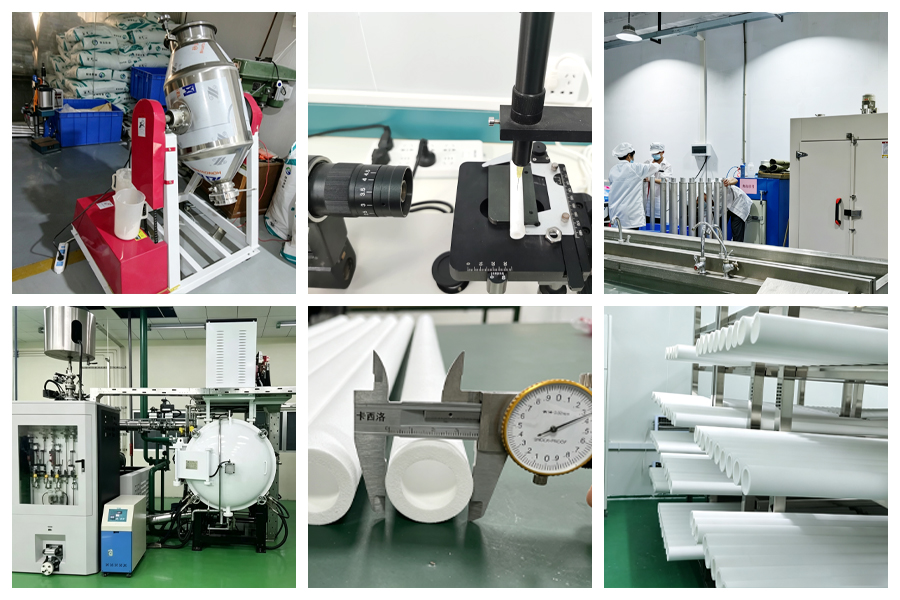
Компания Guangzhou Lvyuan Water Purification Equipment Co., Ltd. является производителем промышленных фильтров, основанная в 2009 году, которая разрабатывает и производит корпуса фильтров из нержавеющей стали, резервуары для стерильной воды из нержавеющей стали, фильтрующие элементы, фильтровальные мешки, ультраполимерные материалы и спеченные фильтрующие продукты. Покупатели выбирают Lvyuan за поддержку OEM/ODM, контроль качества ISO9001 и сертификацию в нескольких странах.
Компания Guangzhou Lvyuan Water Purification Equipment Co., Ltd.
Пористые пластиковые фильтры Lvyuan, изготовленные методом спекания, представляют собой жесткие полимерные детали со структурой взаимосвязанных пор, обеспечивающих контролируемое прохождение жидкости или газа через корпус фильтра. Спеченный пористый пластик обычно изготавливают из таких материалов, как полиэтилен (PE), полиэтилен сверхвысокой молекулярной массы (UHMWPE), полипропилен, PTFE и PVDF, причем выбор материала зависит от конкретных условий технологического процесса.
Комплексное решение
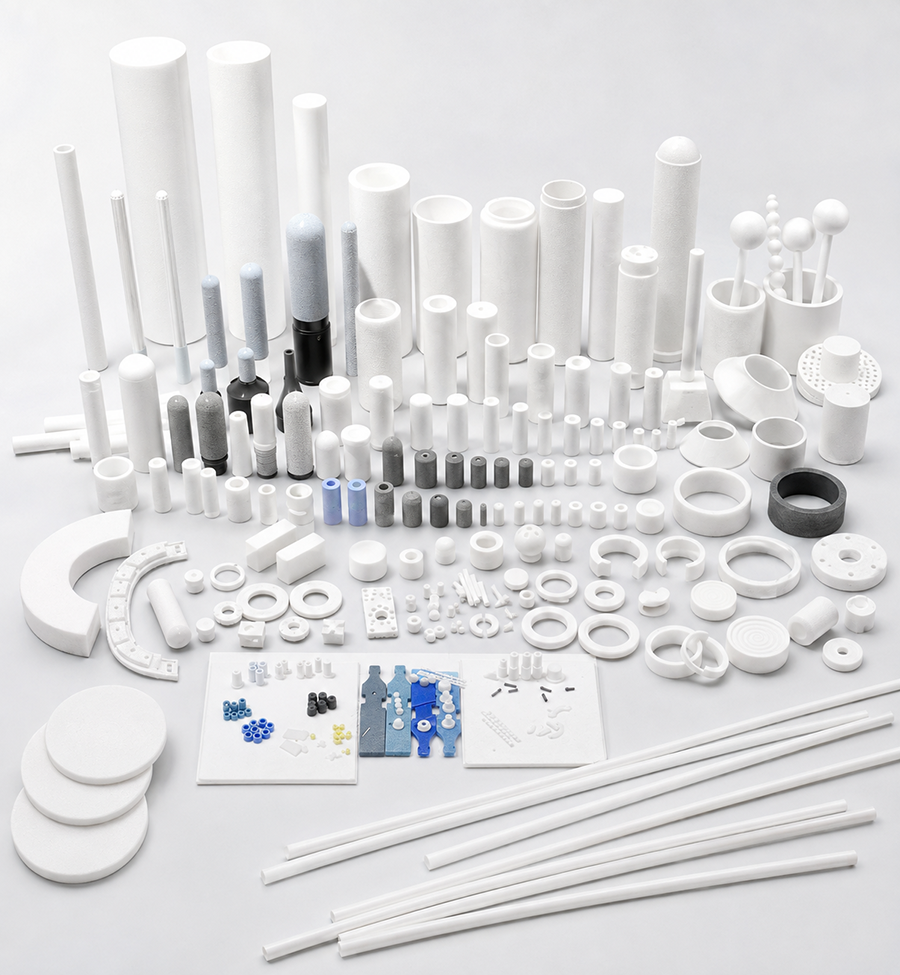
Фильтры, картриджи, диски и компоненты из спеченного пластика на заказ — Lvyuan
Изготовление на заказ целесообразно в тех случаях, когда стандартный фильтрующий картридж не подходит для данной конструкции, либо когда пористый элемент должен сочетать в себе функции фильтрации с конструктивными, вентиляционными, диффузионными или шумоподавляющими функциями.
1. Геометрия
Наружный и внутренний диаметр, длина, толщина, труба, диск, пластина, чашка, цилиндр или любая другая возможная 2D/3D форма.
2. Интерфейс
Резьбу, соединители, обработанные поверхности, отверстия, фитинги и элементы сборки можно проверить на соответствие требованиям к инструменту и допускам.
3. Целевой показатель эффективности
Характеристики материала, пористости, течёности и конструктивные требования следует разрабатывать комплексно, а не определять по отдельности.
Ассортимент фильтров из спеченного пористого пластика для оригинального оборудования и промышленного применения
Конфигурации могут варьироваться в зависимости от материала (PE, UHMWPE, PP, PTFE, PVDF или другого подходящего материала), а также от характеристик пор, размеров, толщины стенок, геометрии, требований к соединениям и области применения. Окончательная возможность поставки должна быть подтверждена с учетом условий эксплуатации и технологической осуществимости.
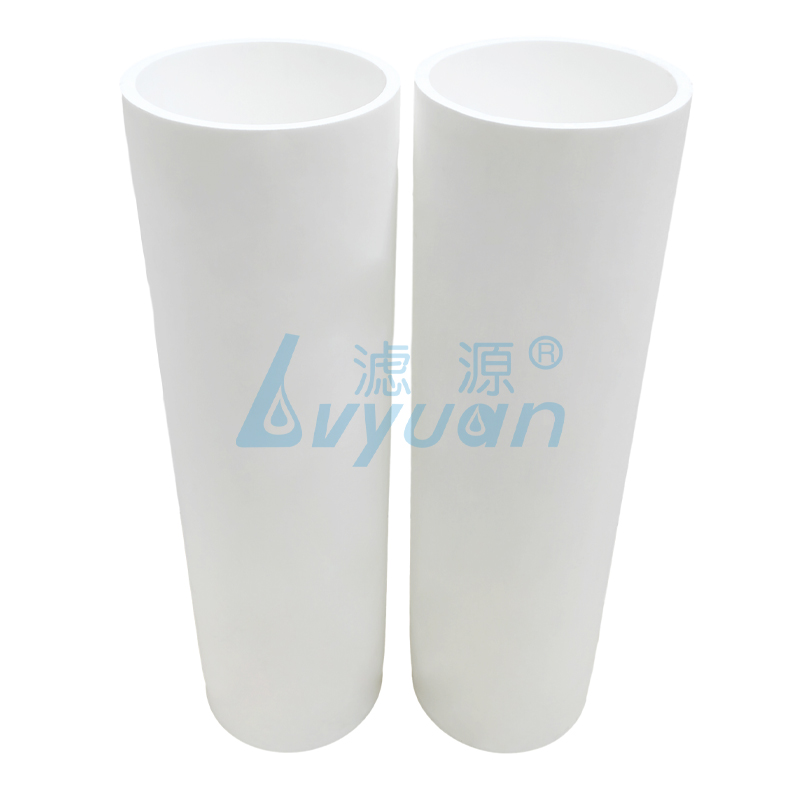
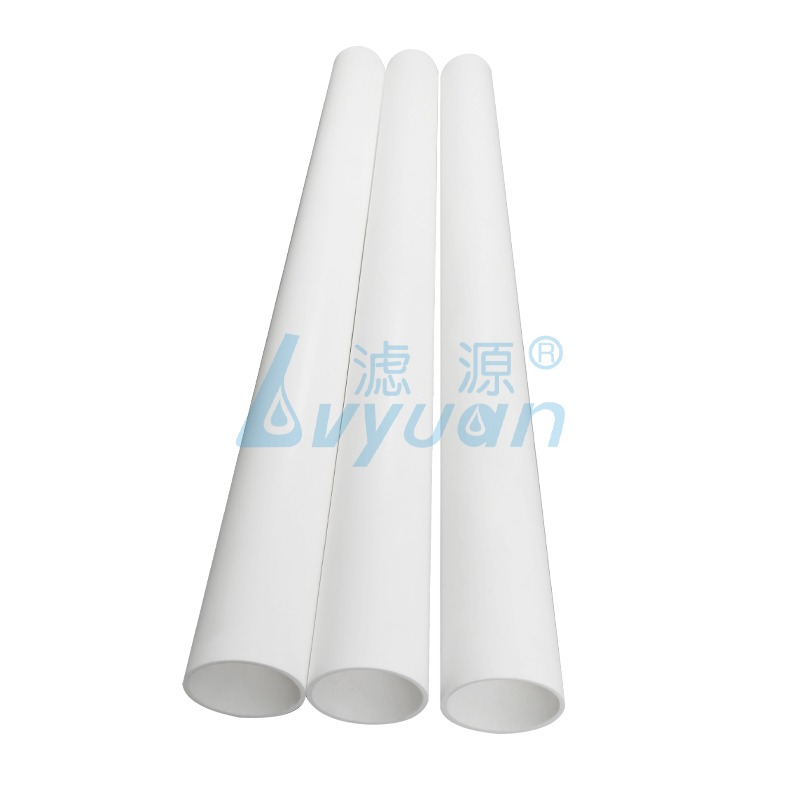
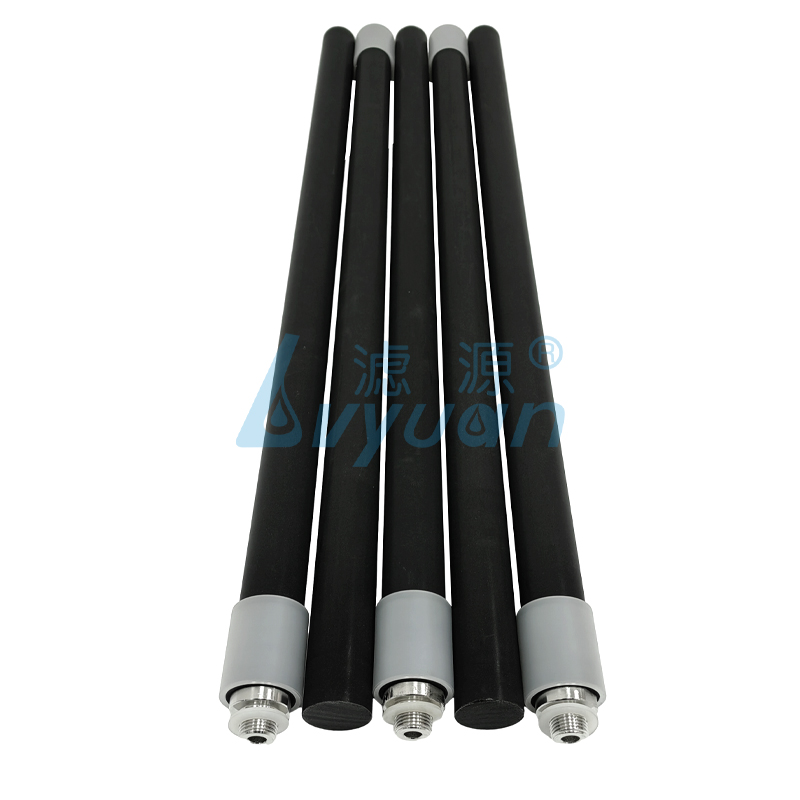
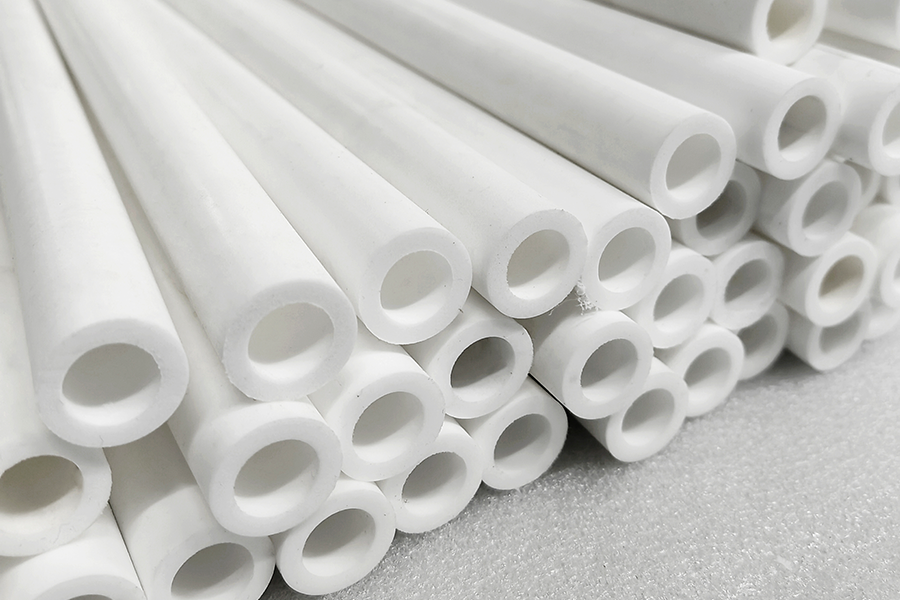
Трубка для пористого фильтрующего картриджа из спеченного полиэтилена сверхвысокой молекулярной массы (UHMW-PE) компании Lvyuan отличается равномерной пористостью, высокой прочностью и обеспечивает надежное удаление твердых частиц при использовании с водой, химическими веществами и промышленными жидкостями.
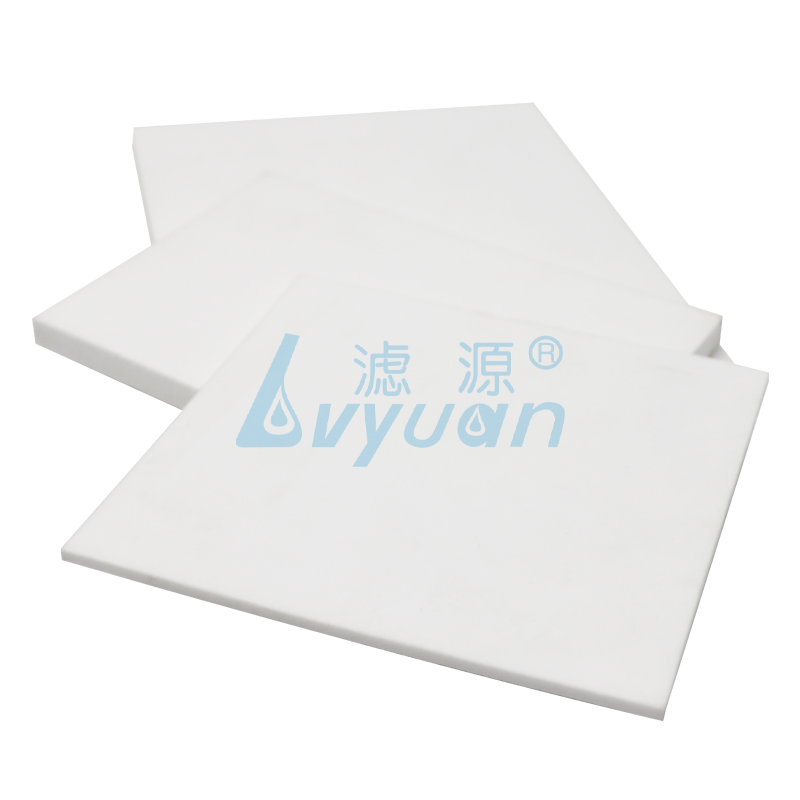
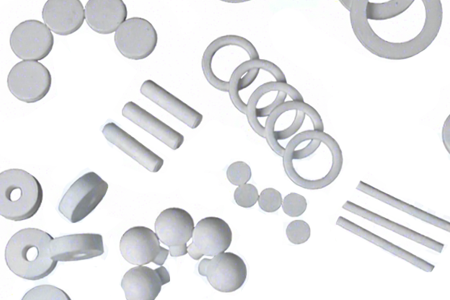
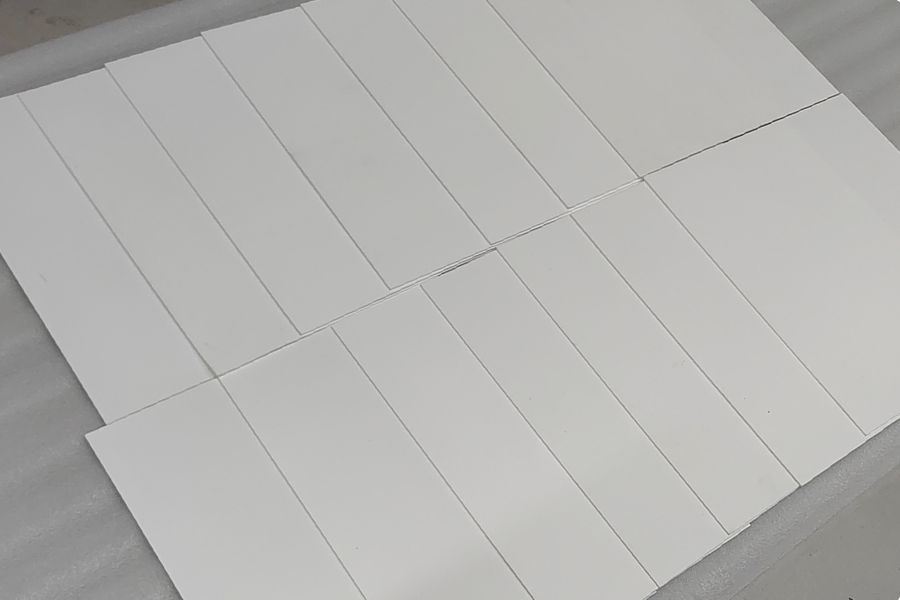
Пористая фильтрующая пластина Lvyuan из спечённого полиэтилена обладает жёсткой и лёгкой пористой структурой, обеспечивающей надёжную фильтрацию частиц в воде, химических веществах, газах и промышленных системах.
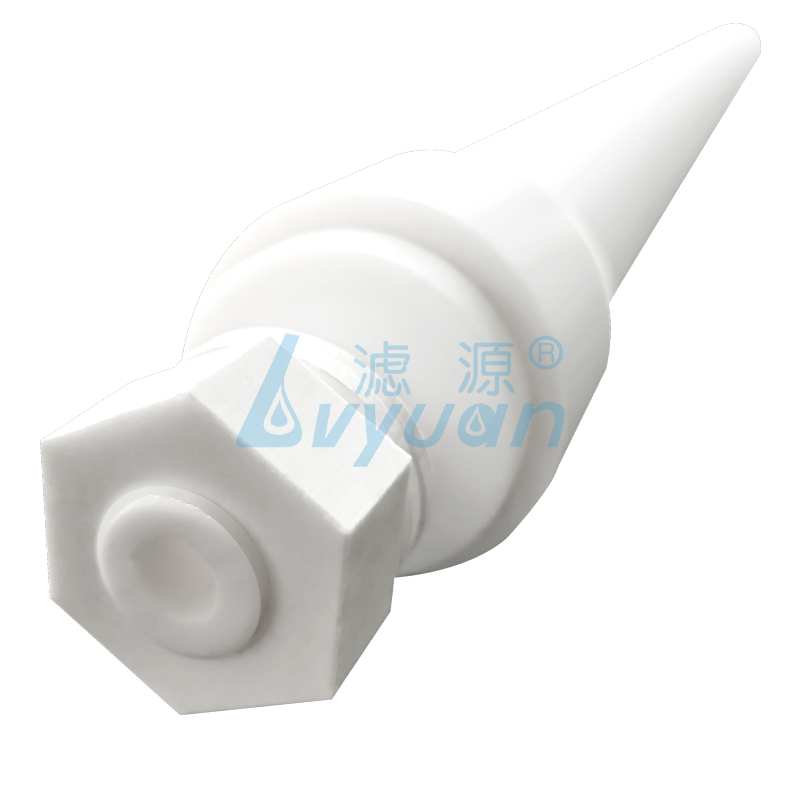
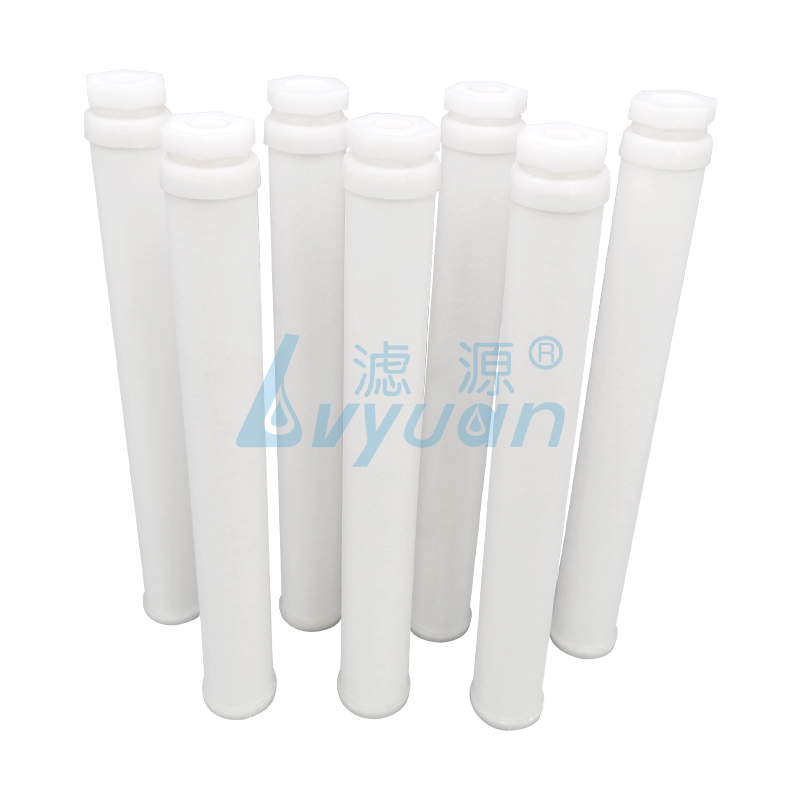
Пористый фильтрующий картридж из спеченного ПТФЭ компании Lvyuan отличается равномерной структурой пор, высокой химической и термостойкостью и идеально подходит для точной фильтрации жидкостей и газов. .
Корпус фильтра с несколькими мешками из нержавеющей стали Lvyuan представляет собой фильтрующий узел с высокой пропускной способностью, в котором используется несколько фильтрующих мешков для удаления частиц из промышленных технологических жидкостей.
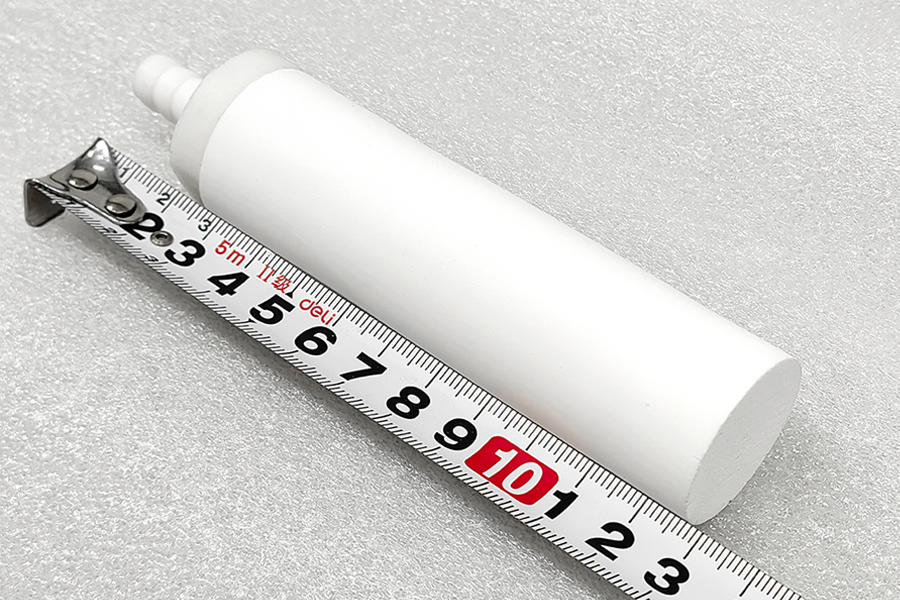
Самоуплотняющийся всасывающий канистровый фильтр из спечённого полиэтилена Lvyuan пропускает воздух в сухом состоянии и автоматически блокирует прохождение жидкости при контакте с ней, защищая вакуумные системы от загрязнения.
Вакуумный фильтр-дозатор Lvyuan, изготовленный методом спекания, обеспечивает равномерную пористость, эффективное отделение пыли и стабильный воздушный поток в системах вакуумной транспортировки, перекачки порошков и дозирования.
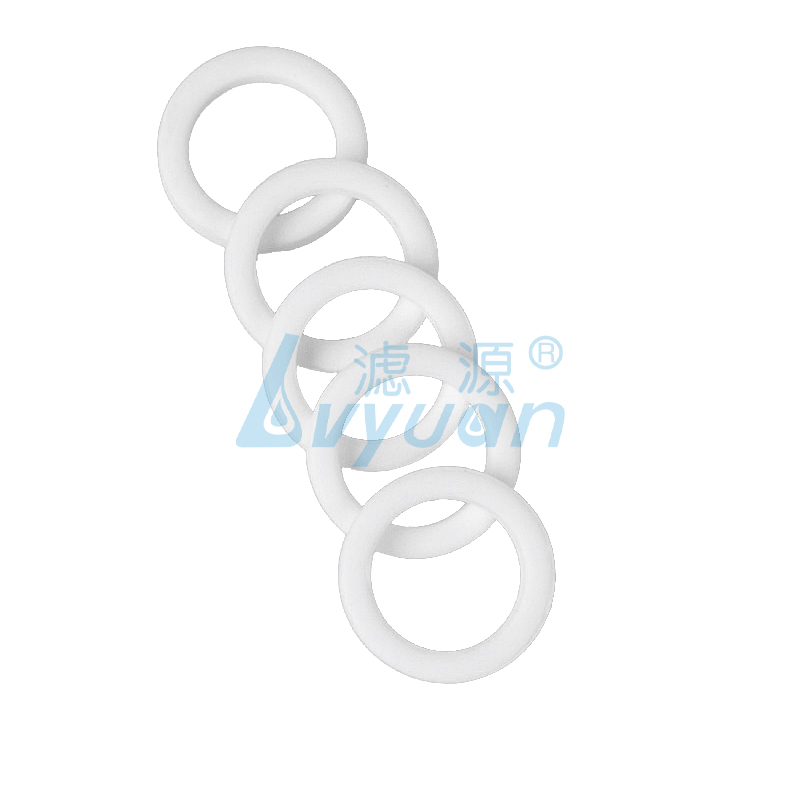
Пористый кольцевой фильтр из спеченного полиэтилена Lvyuan отличается равномерной структурой пор, химической стойкостью и надёжной фильтрацией твердых частиц, что делает его подходящим для использования в оригинальном оборудовании и промышленных системах фильтрации.
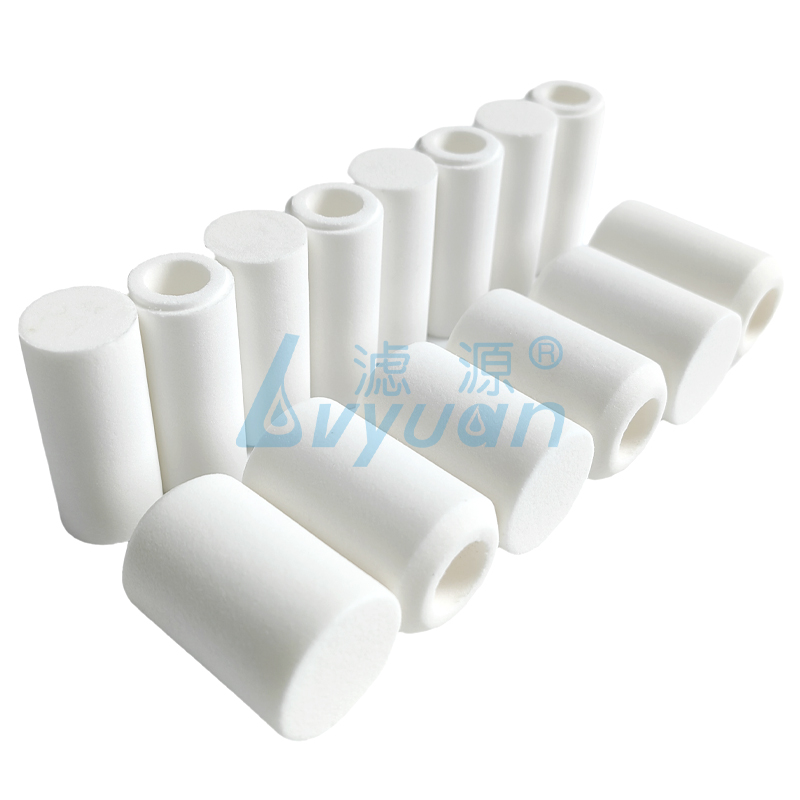
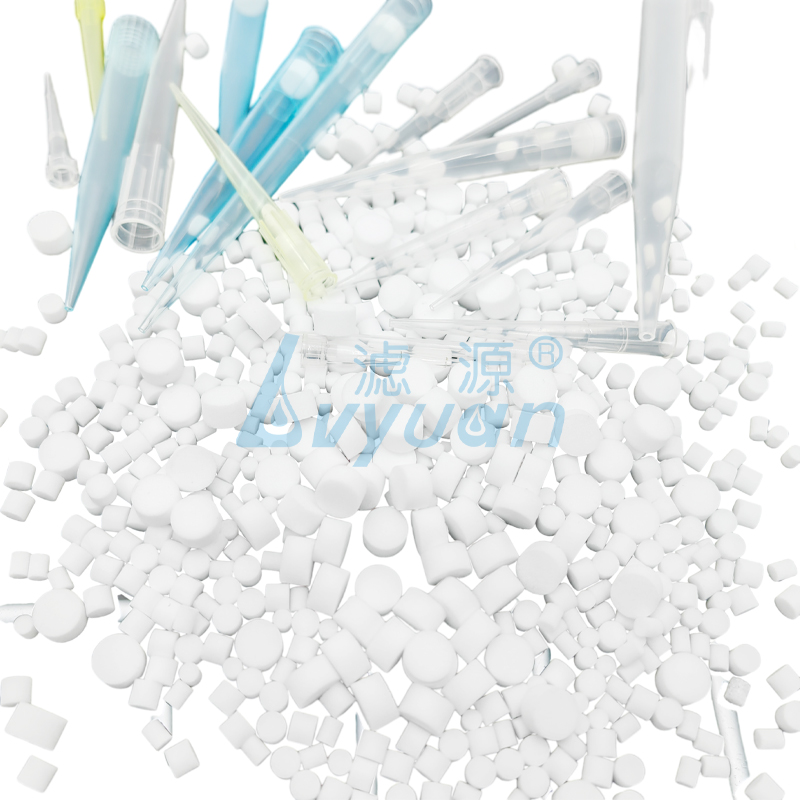
Пористые фильтрующие заглушки для пипеток Lvyuan изготовлены из однородного пористого полиэтилена и предназначены для задержания аэрозолей и жидкостей, что помогает защитить пипетки и образцы от перекрестного загрязнения при использовании в лабораторных условиях.
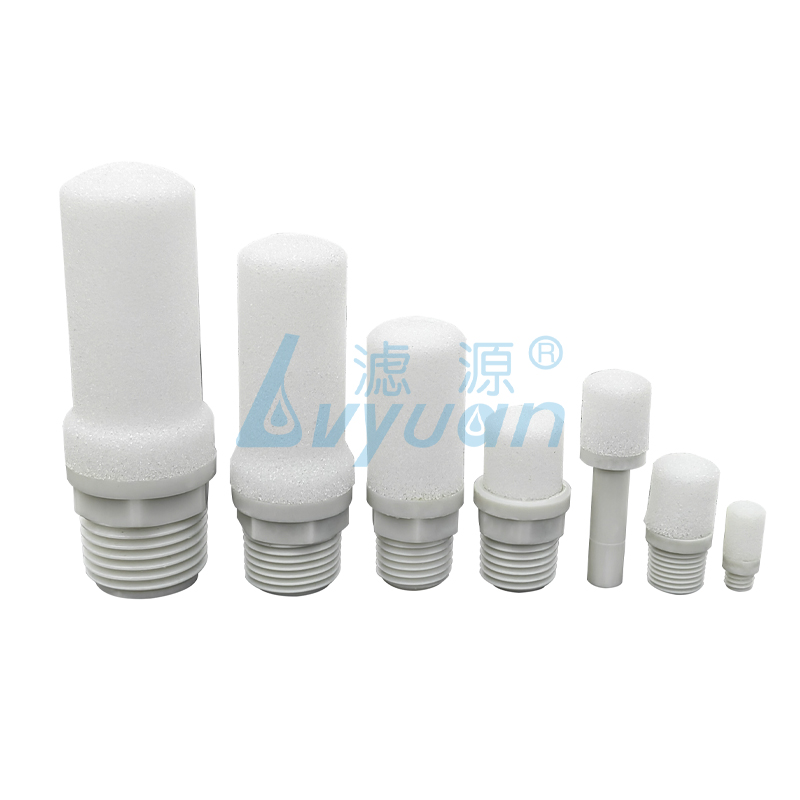
Пневматический глушитель из пористого пластика Lvyuan PE снижает шум выхлопа, обеспечивает стабильный поток воздуха и обладает коррозионной стойкостью при использовании в пневматических клапанах, цилиндрах и пневматических системах.
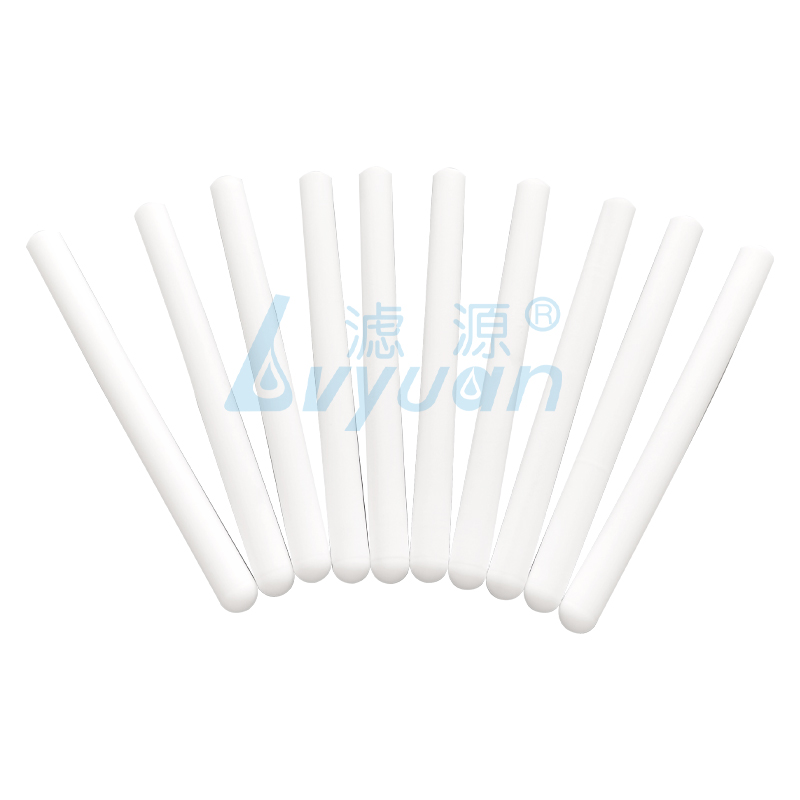
Пористый ароматический стержень Lvyuan из полиэтилена, полученный методом спекания, обеспечивает стабильный капиллярный поток и контролируемое высвобождение аромата в освежителях воздуха с вилкой, тростниковых диффузорах и ароматических устройствах.
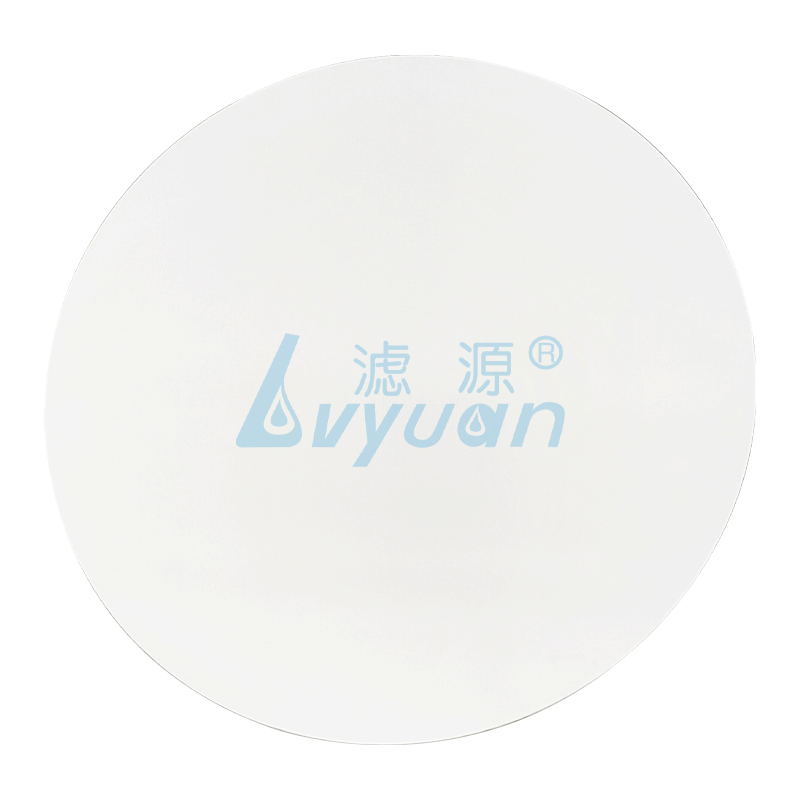
Пористый круглый фильтр Lvyuan из спечённого полиэтилена отличается равномерной структурой пор, стабильным воздушным потоком и надёжным удалением частиц, что делает его подходящим для фильтрации жидкостей, газов, вентиляции и промышленных применений.
Фильтрующий картридж из спечённого пористого пластика Lvyuan PA отличается равномерной структурой пор, высокой эффективностью фильтрации твердых частиц и стабильным расходом, что делает его подходящим для систем фильтрации жидкостей, газов и промышленных систем фильтрации.
Выбор материала зависит в первую очередь от характера жидкости и загрязнений, а не только от значения в микронах. К распространенным промышленным фильтрующим материалам для мешков для жидкостей относятся игольчатый войлок и тканая монофиламентная сетка.
1. Физкультура
Широко применяется для легкой пористой фильтрации, вентиляции и диффузии. Оцените сорт материала, структуру пор и условия эксплуатации.
2. UHMWPE
Известен как объемный полимер, обладающий износостойкостью, ударной вязкостью и широкой химической стойкостью; однако конечные эксплуатационные характеристики пористой структуры по-прежнему зависят от конструкции.
3. PP
Еще один вариант гидрофобного полимера, который может подойти для соответствующих химических и технологических условий.
4. PTFE
Еще один вариант гидрофобного полимера, который может подойти для соответствующих химических и технологических условий.
5. ПВДФ
Вариант из фторполимера, подходящий для многих агрессивных химических сред; пригодность зависит от состава химического вещества, температуры и марки материала.
Как размер пор влияет на эффективность спеченных фильтров
Размер пор, пористость и степень фильтрации — это взаимосвязанные понятия, но они не являются взаимозаменяемыми. Само по себе значение в микронах не следует рассматривать как доказательство абсолютной эффективности фильтрации.
Что влияет на процесс фильтрации?
Распределение пор по размеру и структура связанных пор
Толщина стенок фильтра и общая геометрия
Размер, форма и концентрация загрязняющих веществ
Вязкость, плотность и смачиваемость жидкости
Расход и перепад давления
Что должен указать покупатель? Определите удаляемое загрязняющее вещество, требуемый коэффициент удержания, требования к расходу и допустимый перепад давления. Это даст нам более полезную инженерную задачу, чем просто показатель пористости.
Компоненты фильтров из спеченного пористого пластика для промышленных проектов
Спеченный фильтр Lvyuan изготавливается из полимерных частиц, которые соединяются между собой, образуя непрерывные потоковые каналы в самонесущей пластиковой конструкции. Полученная деталь может использоваться в тех случаях, когда проект требует как определённой геометрии, так и контролируемого движения воздуха, газа или жидкости. Технология производства пористого пластика промышленного назначения применяется в системах фильтрации, диффузии, вентиляции и других связанных с перекачкой жидкостей системах.
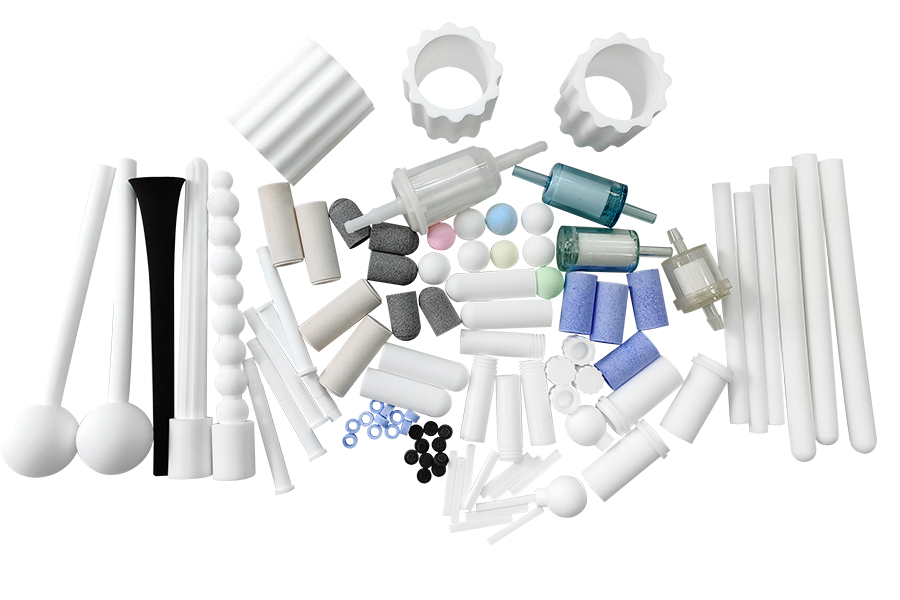
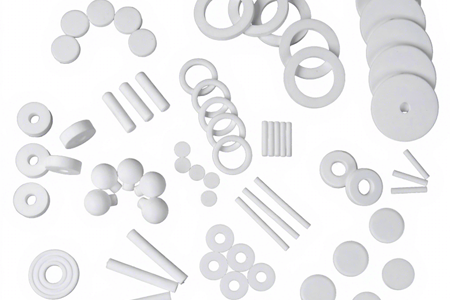
В зависимости от технологической осуществимости из спеченного пластика могут изготавливаться или подвергаться дальнейшей обработке такие детали, как фильтрующие картриджи, трубки, цилиндры, диски, листы, пластины, чашки, пористые заглушки, диффузоры, вентиляционные элементы, пластиковые глушители и другие детали, изготовленные по индивидуальному заказу. Коммерческие поставщики пористого пластика также производят трубки, стержни, листы и детали сложной формы для применения в системах фильтрации или диффузии.
Для покупателя важен не просто вопрос о том, можно ли изготовить пористый фильтр. Материал фильтра, его размеры, характеристики пор, перепад давления, требуемый расход и химическая среда должны гармонично сочетаться друг с другом. Это особенно важно при замене металлического фильтра, литого пластикового узла, опоры мембраны или существующего оригинального фильтрующего элемента.
Как в процессе спекания формируется пористая структура пластика
В процессе спекания используются частицы пластика или полимера в виде порошка, а также контролируемое тепло и давление, благодаря чему соседние частицы соединяются, сохраняя при этом промежутки между ними. Цель заключается в создании пористой самонесущей структуры, а не в простом переплавлении материала в твердую пластиковую деталь.
Контроль характеристик частиц сырья, условий формования и цикла спекания влияет на структуру пор, размеры, текучесть и механическую прочность. С практической точки зрения, производственные параметры определяют, насколько равномерно воздух или вода могут проходить через деталь, а также соответствует ли готовый фильтр требованиям к размерам и эксплуатационным характеристикам.
Поэтому при разработке нестандартных спеченных деталей геометрию и характеристики пористости следует разрабатывать одновременно, а не определять каждую из них отдельно.
Химическая стойкость, температура и условия эксплуатации
Химическая стойкость должна оцениваться следующим образом: конкретный полимер и конкретные технологические условия. PE, UHMWPE, полипропилен, PTFE и PVDF обладают неодинаковой стойкостью к воздействию растворителей, окислителей, кислот и щелочных растворов.
Например, UHMWPE отличается широкой химической стойкостью и высокой износостойкостью, тогда как фторполимеры PTFE обычно выбирают для применения в условиях воздействия агрессивных химических веществ и высоких температур. PVDF также обладает значительной химической стойкостью, однако, как следует из опубликованных рекомендаций по PVDF, допустимая температура зависит от состава материала, характера химического воздействия и условий эксплуатации.
Поэтому полимер, который в общем плане характеризуется превосходной химической стойкостью, не должен автоматически считаться пригодным для использования в конкретном технологическом процессе. Аналогичным образом, такие термины, как “нетоксичный”, «пригодный для контакта с пищевыми продуктами» или «соответствующий требованиям», никогда не следует выводить исключительно из названия полимера. Марку, добавки, условия производства и необходимую нормативную документацию необходимо проверять отдельно.
Для оценки реального срока службы необходимо указать постоянную и пиковую рабочую температуру, давление, перепад давления, концентрацию химических веществ, метод очистки и продолжительность воздействия.
Области применения спеченных пористых пластиковых фильтров
Области применения спеченного пористого пластика выходят за рамки традиционного удаления частиц, поскольку взаимосвязанная сеть пор также может регулировать движение газа или жидкости.
Очистка воды и технологическая фильтрация: Пористый фильтр способен задерживать твердые примеси или защищать последующее оборудование, если выбранный полимер совместим с химическим составом воды.
Химическая обработка: Для коррозионных сред можно рассмотреть возможность использования PE, PTFE, PVDF или другого фильтрующего материала, если совместимый полимер представляет собой альтернативу некоторым металлическим материалам. Тем не менее, совместимость материала с конкретным растворителем или реагентом необходимо подтвердить.
Газ и сжатый воздух: Пористый элемент может фильтровать частицы, служить вентиляционным отверстием или регулировать поток воздуха. Пористый полиэтилен также находит коммерческое применение в пневматических глушителях, где пористая структура сочетает в себе отвод газа с шумоподавлением и регулируемым противодавлением.
Диффузия и аэрация: Связанные поры позволяют распределять жидкость или газ по поверхности детали, а не через единственный открытый выход. Технология пористых полимеров находит коммерческое применение в диффузионных системах.
Вентиляция и защита приборов: Гидрофобные пористые материалы могут использоваться для обеспечения воздухопроницаемости и одновременно для защиты корпуса или устройства при условии, что они обладают требуемой структурой пор и характеристиками защиты от проникновения жидкости.
К другим реальным областям применения спеченных деталей относятся лабораторное оборудование, системы флюидизации, фильтрующие узлы для оригинального производителя (OEM), а также оборудование для производства продуктов питания и напитков, при условии, что указанная документация по материалам и производству соответствует применимым требованиям проекта.
Преимущества фильтров из спеченного пластика для конструкции оригинального оборудования (OEM)
Преимущества спеченного пластика зависят от области применения, однако данная технология обеспечивает необычное сочетание конструктивной формы и контролируемой пористости. Один и тот же компонент потенциально может выполнять функции фильтрации, распределения потока, вентиляции или шумоподавления, сохраняя при этом заданную форму, полученную литьем или механической обработкой.
По сравнению с некоторыми металлическими компонентами совместимые полимерные материалы также позволяют снизить вес и предотвратить возникновение определенных механизмов коррозии. Например, пористые пневматические глушители из полиэтилена (ПЭ) нашли широкое коммерческое применение именно благодаря тому, что этот материал сочетает в себе низкий вес, способность фильтровать твердые частицы и коррозионную стойкость в пневматических системах.
Еще одним преимуществом является возможность создания нестандартной геометрии. Вместо того чтобы адаптировать сборку под стандартный фильтр, производитель оригинального оборудования может подобрать фильтрующий элемент с учетом имеющегося монтажного пространства, способа подключения и требуемого пути прохождения потока.
Длительный срок службы и износостойкость возможны только при правильном подборе фильтра. Их следует рассматривать как проектные задачи, а не как гарантированные характеристики.
Как заказать фильтр из спеченного пористого пластика по индивидуальному заказу
Подробный запрос предложений помогает определить, подходит ли в данном случае фильтр из полиэтилена, деталь из спеченного ПТФЭ, деталь из ПВДФ или другой пористый спеченный материал.
Пожалуйста, укажите:
Область применения и тип оборудования
Обрабатываемая жидкость или газ
Химическое название и концентрация
Предпочтительный материал фильтра (если уже выбран)
Требуемый размер пор или требования к фильтрации
Информация о загрязняющих веществах
Целевой расход
Рабочее и максимальное давление
Расчетный перепад давления
Непрерывная и максимальная рабочая температура
Наружный диаметр, внутренний диаметр, длина и толщина
Форма или текущая конфигурация фильтра
Требования к резьбе, фитингам или соединениям
Требования к очистке или повторному использованию
Требуемое количество
Чертеж, эскиз или готовый образец (при наличии)
Если фильтр изготавливается для замены существующего узла, то предпочтительнее предоставить как чертеж, так и фактические условия эксплуатации, а не только размеры.
Часто задаваемые вопросы о фильтрах из спеченного пористого пластика
Какие размеры пор доступны?
Размер пор, который можно получить, зависит от материала, характеристик исходных частиц, условий спекания и геометрии изделия. Опыт применения коммерческих технологий производства пористых пластиков показывает, что можно изготавливать материалы с самыми разными структурами пор, однако диапазон размеров пор, характерный для конкретного поставщика, следует уточнять перед покупкой, а не делать выводы на основе примеров из отрасли.
В чём заключается разница между фильтром из полиэтилена и фильтром из ПТФЭ?
PE часто используется для легких пористых фильтров, вентиляционных систем и диффузионных устройств, тогда как PTFE, как правило, применяется в случаях, когда требуется более высокая химическая или термическая стойкость. Оптимальный выбор зависит от конкретной жидкости, температуры, давления и требуемых характеристик пор, а не только от названия материала.
Можно ли использовать один и тот же спеченный фильтр для фильтрации жидкостей и газов?
В принципе да, но эксплуатационные характеристики будут различаться. Свойства жидкости или газа влияют на сопротивление потоку, смачиваемость, перепад давления и эффективность улавливания загрязнений. Укажите конкретную среду и условия эксплуатации, чтобы можно было оценить пористую структуру и размеры фильтра с учетом данных условий.
Можете ли вы изготовить фильтрующие картриджи, диски и пластины по индивидуальному заказу?
Нестандартные формы могут включать фильтрующий картридж, трубку, диск, пластинчатый фильтр, чашку, заглушку или другие геометрические формы, если это допускают возможности инструментальной оснастки и технологические возможности производства. Пористый пластик уже серийно производится в виде листов, трубок, стержней и изделий сложной формы.
Устойчивы ли фильтры из спечённого пластика к воздействию кислот, щелочей и растворителей?
Некоторые полимеры обладают высокой химической стойкостью к многим химическим веществам, однако универсального утверждения о совместимости не существует. Точная степень стойкости зависит от марки материала, состава химического вещества, его концентрации, рабочей температуры, времени воздействия и механической нагрузки. Перед окончательным утверждением материала необходимо подтвердить его химическую совместимость.
Можно ли очистить спеченный пористый фильтр и использовать его повторно?
Некоторые конструкции фильтров могут поддаваться очистке, однако возможность их повторного использования зависит от характера загрязнения, структуры пор, типа полимера, используемого чистящего средства, температуры, а также от того, проникли ли частицы глубоко в фильтр. Вопрос о методе очистки следует учитывать уже на этапе выбора фильтра, а не решать постфактум после его установки.
Какая информация наиболее важна для составления коммерческого предложения?
Начните с выбора жидкости или газа, концентрации химических веществ, требуемых характеристик фильтрации или размера пор, габаритов, расхода, давления, температуры и количества. Если речь идет о компоненте для оригинального производителя (OEM), по возможности пришлите чертеж или образец. Это позволит совместно оценить совместимость материалов, геометрию и технологическую осуществимость.
Вам нужен фильтр из спеченного пористого пластика для нового проекта или в качестве запасной части? Пришлите нам информацию о жидкости или газе, требуемые характеристики пор, размеры или чертеж, предпочтительный материал, рабочее давление, рабочую температуру и количество. На основании этих данных мы сможем подобрать подходящую конфигурацию из PE, UHMWPE, PP, PTFE, PVDF или другого подходящего материала, а также обсудить технические рекомендации, оценку образцов, требования OEM или подготовить коммерческое предложение.