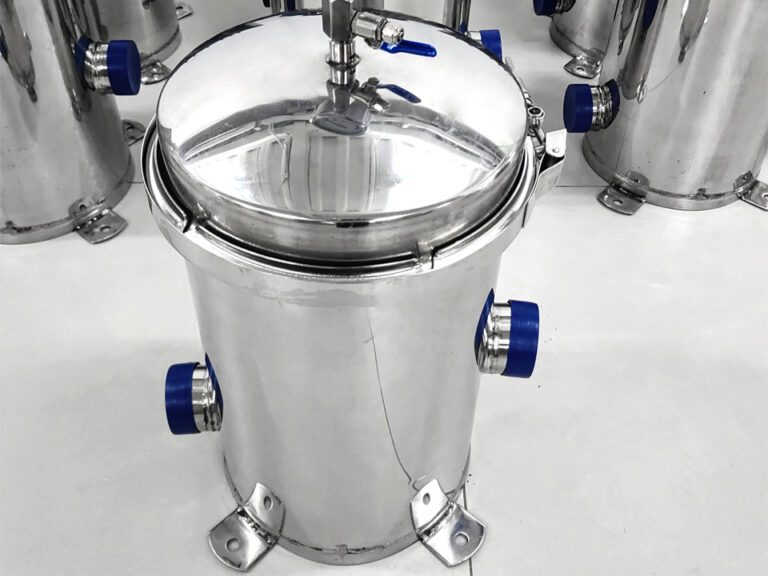
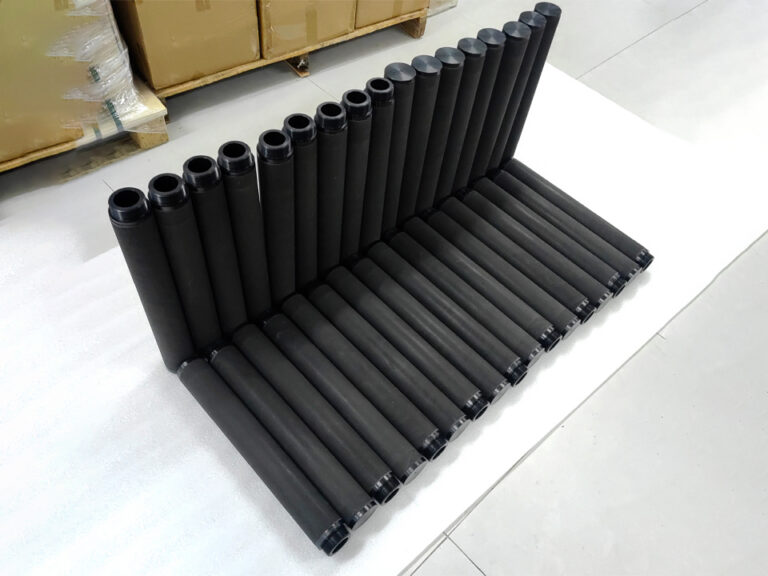
Компания Guangzhou Lvyuan Water Purification Equipment Co., Ltd. является производителем промышленных фильтров, основанная в 2009 году, которая разрабатывает и производит корпуса фильтров из нержавеющей стали, резервуары для стерильной воды из нержавеющей стали, фильтрующие элементы, фильтровальные мешки, ультраполимерные материалы и спеченные фильтрующие продукты. Покупатели выбирают Lvyuan за поддержку OEM/ODM, контроль качества ISO9001 и сертификацию в нескольких странах.
Компания Guangzhou Lvyuan Water Purification Equipment Co., Ltd.
Когда следует проводить пассивацию корпусов фильтров из нержавеющей стали после очистки
Это утверждение, возможно, стоило вашим предприятиям гораздо большего количества отклоненных партий, вынужденных остановок производства и неприятных звонков от поставщиков, чем кто-либо готов признать, ведь корпус из нержавеющей стали может выглядеть безупречно при освещении в магазине, в то время как на его поверхности могут присутствовать свободное железо, остатки хлоридов, термические окраски, налет, впитанная абразивная грязь или химические повреждения, вызванные чрезмерно интенсивным циклом очистки.
Итак, когда следует проводить пассивацию нержавеющей стали после очистки?
Не всегда. Но и не никогда. И уж точно не с тех пор, как в 2018 году кто-то скопировал период технического обслуживания из совершенно другого водяного контура.
Пассивация — это не очистка, и именно в этом многие команды допускают ошибку
Пассивация нержавеющей стали — это не этап очистки с использованием моющих средств. Это не процедура придания блеска. Это химическая обработка поверхности нержавеющей стали, как правило, с использованием пассивации лимонной кислотой или пассивации азотной кислотой, направленная на удаление свободного железа и содействие восстановлению оксидного слоя с высоким содержанием хрома.
Эта разница имеет значение.
У меня по этому поводу сложилось неоднозначное мнение: компании, которые рассматривают пассивацию как “дополнительную очистку”, как правило, совершают сразу две ошибки. Сначала они недостаточно тщательно удаляют настоящие отложения, а затем, чтобы почувствовать себя в полной безопасности, применяют чрезмерную пассивацию. Это дорогостоящий спектакль.
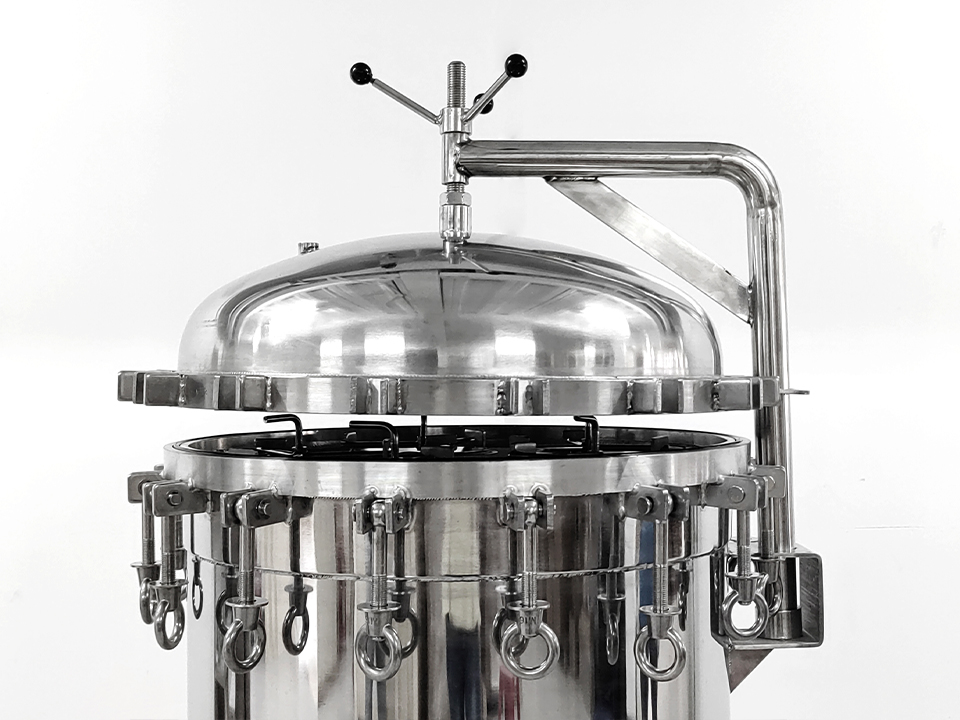
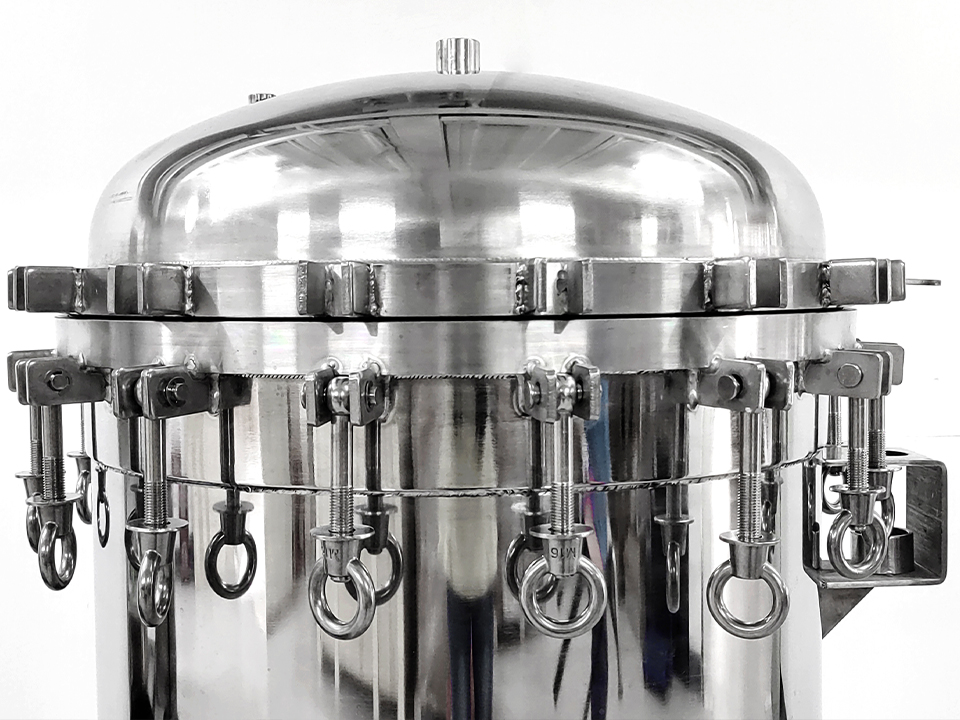
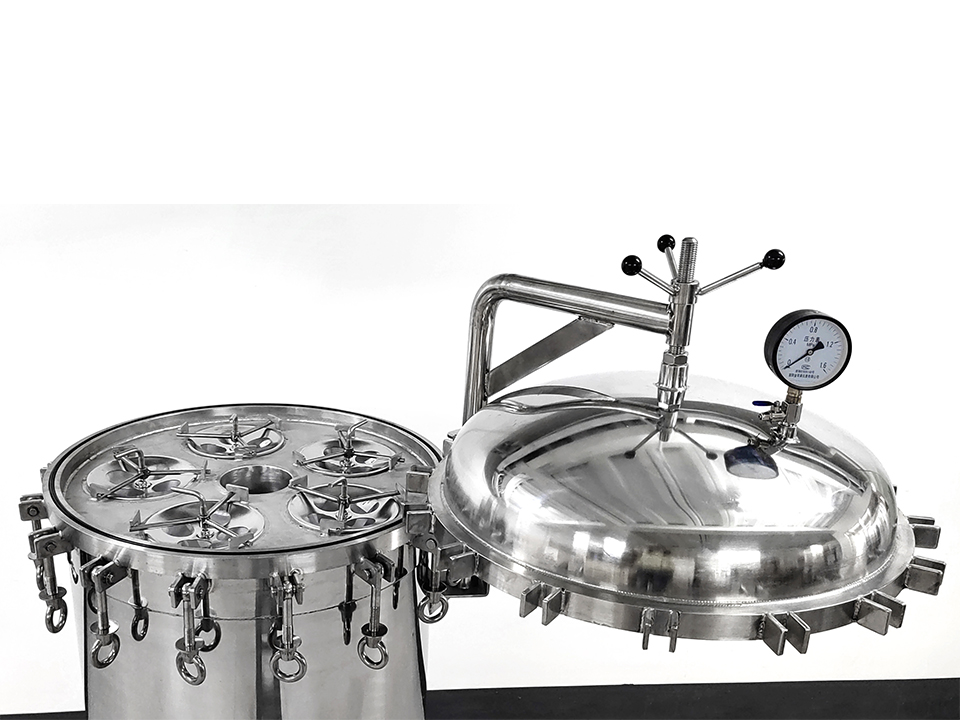
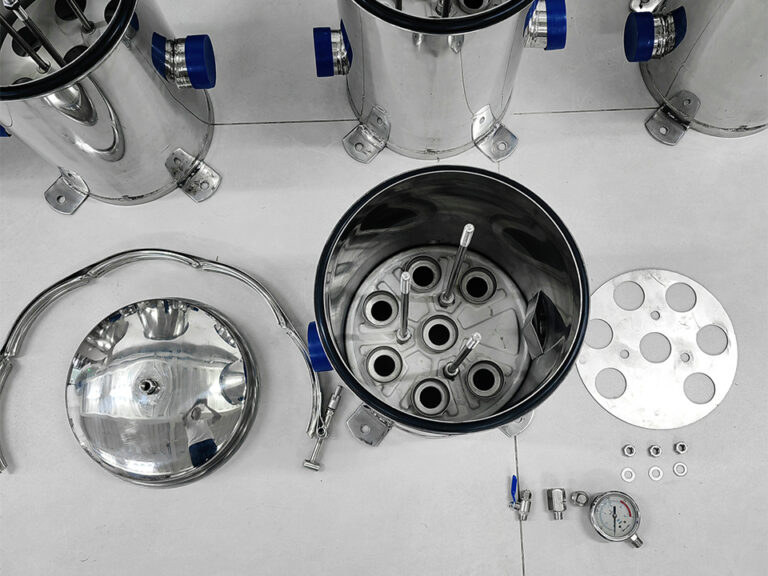
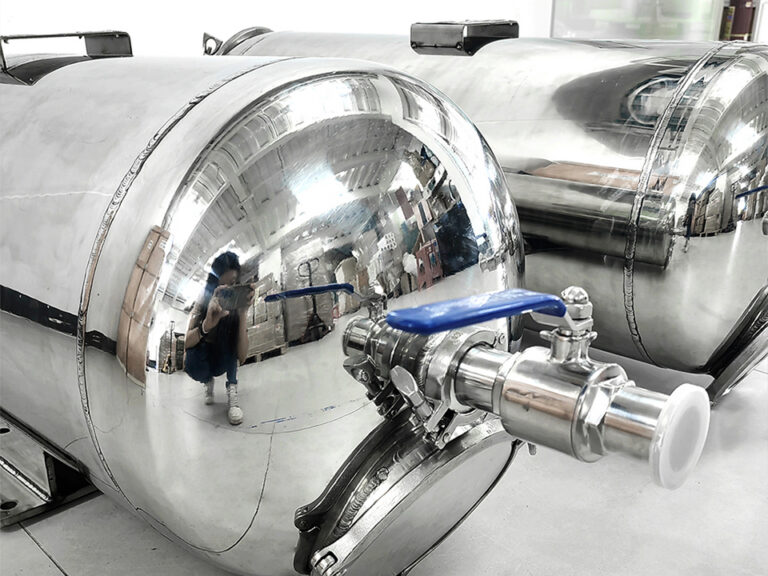
Корпус фильтра сначала необходимо очистить, затем осмотреть, провести пассивацию только в том случае, если это оправдано состоянием поверхности, и в заключение провести проверку. Если вы заказываете или изготавливаете корпуса, следует также учитывать качество материала и поверхностную обработку. Прочный Корпус картриджного фильтра SS для коммерческих систем OEM предоставляет вам гораздо более надёжную основу, чем «загадочный» корпус с недокументированными сварными швами, грубыми внутренними элементами и зажимами из раздела «по сниженной цене».
Журналы отсутствуют.
Когда в протоколе очистки указано: “хлорированный щелочной насыщенный раствор, ручная очистка, проверка совершенно нового фильтрующего материала, на выходе замечены коричневатые пятна”, вопрос заключается не в том, выглядит ли объект недвижимости прилично с расстояния 3 футов; вопрос заключается в том, выдержала ли пассивная пленка условия очистки и технологического процесса, которым она только что подверглась.
Действительное правило: проводить пассивацию после очистки, если пассивный слой подвергается риску
Правильный ответ — пассивация, вызванная воздействием риска.
Пассивацию фильтрующих элементов из нержавеющей стали следует проводить после очистки в тех случаях, когда в ходе процесса очистки, в результате загрязнения, при проведении работ по техническому обслуживанию или под воздействием технологической среды возникает обоснованная опасность повреждения или загрязнения пассивного слоя оксида хрома.
В том числе:
Чистка с использованием абразивных материалов, щеток с шнурком, интенсивного скрабирования или агрессивной внутренней очистки.
После очистки заметны следы ржавчины, чайные пятна, следы румян, чёрный оксид или оранжево-коричневые участки.
Прямое воздействие хлоридов, содержащихся в дезинфицирующих средствах, морской воде, гипохлорите или воде, оставшейся после неправильного ополаскивания.
Сварка, шлифование, диагностика, восстановление резьбы, ремонт зажимов или замена внутренних деталей, контактирующих с рабочей средой.
Первая установка новых корпусов из нержавеющей стали марки 304 или 316, особенно после завершения строительства.
Переход продукта из сферы водоснабжения с низким уровнем риска непосредственно в сферы производства продуктов питания, напитков, фармацевтических препаратов, электроники или в области, требующие высокой степени чистоты.
Неудачное подтверждение, включающее проверку на наличие водяного прорыва, скрининг на содержание ферроксила, проверку на наличие сульфата меди, дрейф проводимости, поглощение железа или наличие необычных частиц вниз по потоку.
А как насчёт регулярной уборки с использованием проверенных нейтральных или слабощелочных чистящих средств? Как правило, нет.
Именно об этом поставщики комплектующих иногда шепчут, а поставщики химикатов практически никогда не упоминают в первую очередь. Если ваша процедура очистки корпуса фильтра из нержавеющей стали регламентирована, не оставляет остатков, не содержит хлоридов, предусматривает полное промывание и документируется, то пассивация после каждого цикла очистки может оказаться пустой тратой, а не мерой обеспечения качества.
Когда следует выбирать фильтры из спеченного металла
Фильтры из спеченной стали гораздо менее устойчивы к повреждениям, чем простые сетчатые фильтры.
Почему?
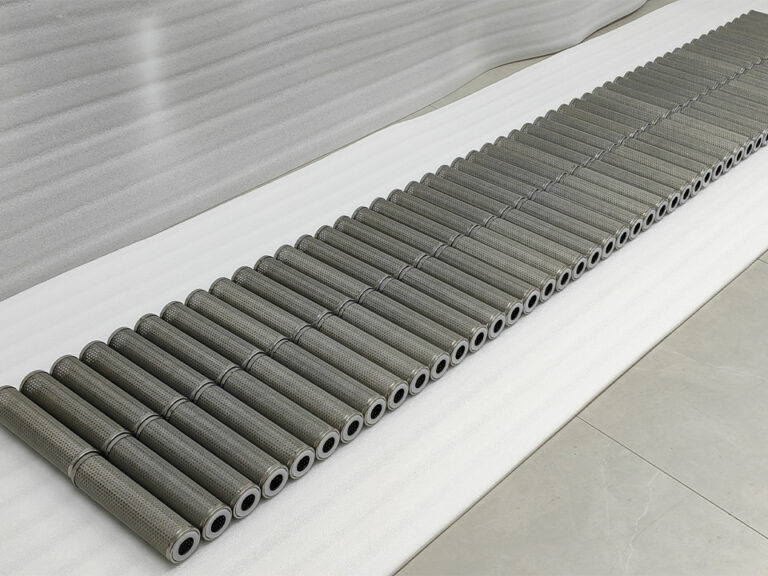
Это связано с тем, что спеченные нержавеющие фильтрующие элементы имеют глубину, пористую структуру, большую площадь поверхности, а также участки, в которых могут задерживаться очищающие химические вещества, если процесс промывки, обратной промывки, ультразвуковой очистки или сушки регулируется ненадлежащим образом. Участок, примыкающий к спеченному фильтрующему материалу, может выглядеть чистым в районе чаши, зажима и слива, в то время как застрявшие остатки в фильтрующем элементе продолжают создавать угрозу попадания ржавчины обратно в систему.
Именно поэтому я принял два разных решения:
Следует ли провести пассивацию корпуса?
Следует ли очистить, пассивировать, заменить или изолировать спеченный элемент?
Это не совсем одно и то же решение. И именно из-за того, что команды делают вид, будто это одно и то же, они упускают из виду истинный источник загрязнения.
Если в процессе применения используются чай, молоко, сироп, пищевое масло, пивоваренные продукты или вязкие жидкости, детали из нержавеющей стали, как правило, подвергаются естественной нагрузке, а также дополнительным нагрузкам, связанным с многократной промывкой. A Корпус мешочного фильтра из нержавеющей стали 304 и SS316 для фильтрации чая и молока представляет собой иной источник риска по сравнению с полностью сухим предфильтром сжатого воздуха, даже если оба изготовлены из “нержавеющей стали”.”
Абсолютно тот же сплав. Различные виды небрежного обращения.
Таблица «Триггер»: когда следует проводить пассивацию нержавеющей стали после очистки
Состояние после очистки
Что это на самом деле означает
Выбор метода пассивации
Проверка, которую я ожидаю
Стандартная очистка, нейтральная промывка, заметных изменений цвета не наблюдается
Возможное наличие вкраплений железа или поврежденного оксида
Пассивировать
Испытание на водопроницаемость, анализ с использованием ферроксила или сульфата меди
Обеззараживающее средство на основе хлорида или прямое воздействие рассола
Оценка риска, в частности в расщелинах
Провести пассивацию, если уровень прямого воздействия был высоким или промывка была отложена
Проверка содержания хлоридов, оценка внешнего вида, определение площади поверхности
Красный налет, ржавчина, чайные пятна или коричневый налет
Загрязнение железом или нестабильность оксидов
Привести в порядок, при необходимости удалить следы краски, после чего провести пассивацию
Испытание на содержание железа в поверхности, документально подтвержденная оценка
Работа по сварке, шлифовке, разведке или производству
Теплый оттенок, широкий ассортимент, абсолютно не содержит железа, неровная поверхность
После тщательной очистки сварного шва провести пассивацию
Документация с печатью, при необходимости — эндоскоп
Самое первое использование совершенно новой недвижимости
Строительный депозит может остаться
Провести пассивацию, если документация поставщика недостаточно полна
Сертификаты на продукцию, осмотр поверхности, акт приемки
Переход от водоснабжения к пищевой, фармацевтической и высокочистой отраслям
Более серьезные последствия загрязнения поверхности
Перед выпуском провести пассивацию
Подтверждение качества, очистка данных, тестовая документация
Повторяющиеся необъяснимые фрагменты в нижней части
Корпус или элемент могут выделять загрязняющие вещества
Подумайте дважды, прежде чем действовать необдуманно
Идентификация частиц, анализ на содержание железа, элементный анализ
Лимонная кислота против азотной кислоты: спор, который никто не хочет превращать в предложение о поглощении
Пассивация нержавеющей стали лимонной кислотой является предпочтительным методом, поскольку она, как правило, проще в применении, менее агрессивна и более экологична с точки зрения утилизации отходов. Пассивация нержавеющей стали азотной кислотой — более старый метод, хорошо изученный и до сих пор указанный в многочисленных традиционных технологических процессах.
Вот моё откровенное мнение.
Лимонная кислота зачастую является более целесообразным выбором по умолчанию для современных корпусов фильтров из нержавеющей стали, в частности для деталей из марок 304 и 316, используемых в пищевой промышленности, производстве напитков, водоснабжении и ряде промышленных областей. Азотная кислота по-прежнему имеет право на существование в тех случаях, когда этого требуют технические условия, когда её использование обусловлено традициями или когда это диктуется металлургическими особенностями и историей загрязнения.
Но не стоит выбирать кислоту из-за каких-то суеверий.
Выбирайте его с учетом состава сплава, покрытия поверхности, проблем со сваркой, типа загрязнений, требований к валидации, утилизации отходов, безопасности оператора, а также приемочных испытаний, которые вам обязательно придется проводить в дальнейшем. Если никто не может определить, какие приемочные испытания следует провести, то пока не стоит спорить о применении кислоты.
В ряде схем очистки воды фильтрующая линия включает в себя полимерные фильтры глубокой очистки, угольные фильтры, корпуса из нержавеющей стали и картриджную арматуру. A Фильтрующий картридж из полипропилена, изготовленный методом выдувания из расплава, для очистки воды может решать проблему загрязнения твердыми частицами на входе, в то время как пассивация нержавеющей стали обеспечивает защиту металлических поверхностей, контактирующих с рабочей средой, на выходе. Эти меры являются взаимодополняющими, а не взаимозаменяемыми.
Плохая привычка: ориентироваться на календарь, а не на причину
Некоторые установки проходят пассивацию ежеквартально, потому что десять лет назад кто-то указал “ежеквартально” прямо в документе по профилактическому техническому обслуживанию.
Штраф. Возможно, это сработает.
Но если в сфере недвижимости используются мягкие водные растворы, чистые промывочные составы, участки с низким содержанием хлоридов, отсутствуют сварные швы, не наблюдается обесцвечивания, а уровень железа в сточных водах остается стабильным, почему же мы каждый квартал проводим очистку и повторную валидацию поверхности? Потому что она считается практически валидированной? Или потому, что никто не хочет быть тем, кто вносит изменения в стандартную операционную процедуру (SOP)?
С другой стороны, я был свидетелем того, как некоторые группы игнорировали признаки пассивации даже после явных предупреждающих сигналов: новые сварные швы, оранжевое окрашивание, очистка с высоким содержанием хлоридов, некачественный ремонт на месте, «тайные» картриджи и перенос оборудования, прошедшего повторную эксплуатацию, с одной линии на другую. Это ещё хуже. Это не «бережливый» подход. Это азартная игра.
Гораздо лучшее правило очень простое: при регулярной очистке проводится осмотр; при нестандартной очистке проводится осмотр; при повреждении поверхности проводится пассивация.
Меры по предотвращению коррозии нержавеющей стали начинаются ещё до установки ванной с кислотным покрытием
Пассивация — это не волшебная губка, способная удалить отрицательный рисунок.
Если в оборудовании имеются «мертвые зоны», некачественные сварные швы, внутренние поверхности с большим количеством щелей, уплотнения низкого качества, неподвижные сливные трубы или несоответствующий материал корпуса, кислотная обработка лишь позволяет выиграть время. Она не решает проблему геометрии. Она не устраняет застрявшие хлориды. Она не решает проблему плохого качества воды.
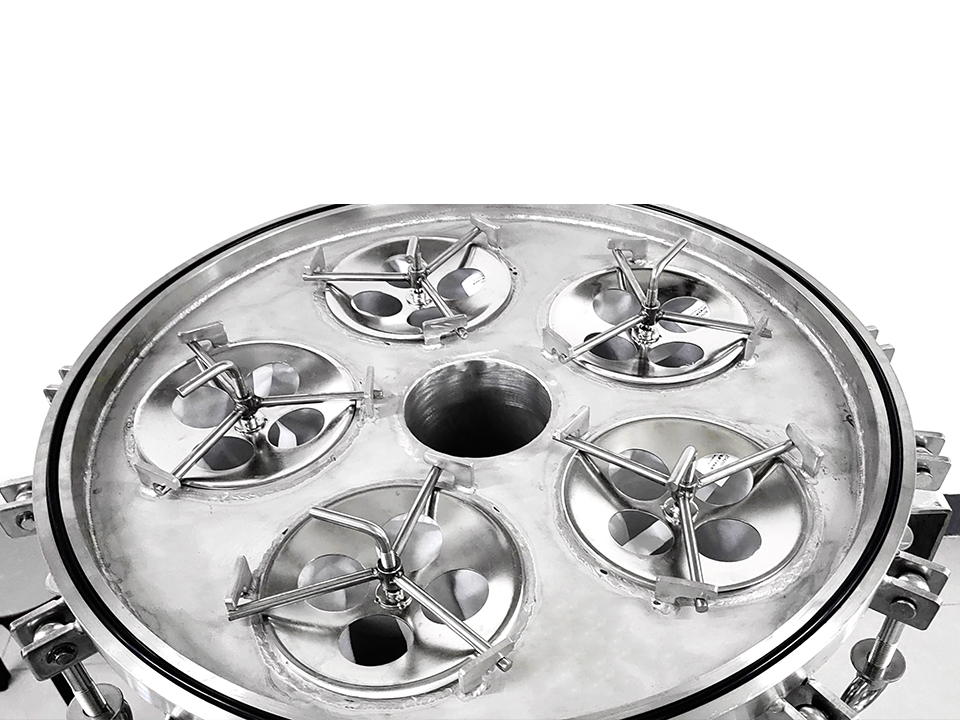
В линиях предварительной фильтрации с использованием осадочных и мембранных слоев важное значение имеет конфигурация корпуса, поскольку циркуляция потока и возможность слива влияют на количество остатка. Конструкция с несколькими картриджами, такая как 7-картриджный фильтр из нержавеющей стали для удаления осадка с гофрированной мембраной оценивать следует не просто по количеству картриджей, а с учетом возможности очистки, вентиляции, точек слива, выбора прокладок, а также того, могут ли технические специалисты проверить поверхности, контактирующие с жидкостью, не превращая техническое обслуживание в археологические раскопки.
А в системах опреснения или системах с высоким содержанием хлоридов следует относиться к этому с осторожностью. Хлориды — нежелательные гости. Они разрушают зазоры, резьбу, места сварных швов и участки с застоем жидкости. В таких системах фильтрующие материалы, расположенные выше по потоку, такие как фильтрующий картридж с угольным блоком для предварительной очистки при опреснении воды может быть частью более комплексного подхода к обеспечению безопасности, однако поверхность из нержавеющей стали по-прежнему требует отдельной оценки и разработки схемы пассивации.
Мои практические рекомендации по выбору времени
Если объект недвижимости был очищен надлежащим образом и прошел проверку, не стоит проводить пассивацию только для того, чтобы почувствовать себя эффективным.
Если деталь подвергалась интенсивной очистке, воздействию хлоридов, ремонту, сварке, окрашиванию, удалению окисного слоя, перемещению непосредственно в более чистый раствор или была связана с необъяснимым загрязнением на последующих этапах технологического процесса, перед возвращением в производственный цикл необходимо провести пассивацию.
Вот и ответ.
Однако я бы добавил ещё одно производственное правило: пассивировать деталь непосредственно перед выпуском в эксплуатацию — после очистки и перед окончательной контролируемой промывкой, сушкой, укупоркой и оформлением документации. Пассивировать деталь, а затем оставлять её открытой на рабочем столе рядом с инструментами из углеродистой стали — это не соответствует высоким стандартам качества. А вот с документацией тут забавная история.
ЧАСТО ЗАДАВАЕМЫЕ ВОПРОСЫ
Когда следует проводить пассивацию нержавеющей стали после очистки?
Нержавеющая сталь подлежит пассивации после очистки в тех случаях, когда в результате очистки обнажился свежий металл, появилось свободное железо, был поврежден оксидный слой или имели место такие явления, как абразивное трение, ремонтные работы сваркой, воздействие хлоридов, удаление паяльной пасты, разрушение картриджа, а также при неисправности устройства «водяной барьер», после обработки сульфатом меди или при проверке поверхности с использованием ферроксила. В случае стандартной проверенной очистки без появления пятен, отсутствия проблем с хлоридами и наличия данных об аккуратной промывке может быть достаточно простой оценки.
Что такое пассивация после очистки нержавеющей стали?
Пассивация после очистки нержавеющей стали представляет собой обработку поверхности кислотным раствором, обычно лимонной или азотной кислотой, которая удаляет свободное железо и загрязнения, позволяя оксидной пленке с высоким содержанием хрома легко восстановиться, а не удерживать склонные к ржавлению отложения под эстетически чистой поверхностью. Она должна проводиться после очистки, а не заменять её, поскольку масла, нагар, биопленка и остатки продуктов могут препятствовать надлежащему химическому контакту.
Как именно проводится пассивация корпусов фильтров из нержавеющей стали?
Пассивация корпусов фильтров из нержавеющей стали осуществляется следующим образом: сначала удаляются все отложения, полностью обнажаются поверхности, контактирующие с жидкостью, применяется проверенный метод с использованием лимонной или азотной кислоты, производится промывка в соответствии с установленными ограничениями, корпус высушивается или закрывается надлежащим образом, а перед сдачей корпуса в эксплуатацию проводится проверка поверхности с помощью утвержденного метода испытания. Конкретный метод должен соответствовать типу сплава, покрытию поверхности, уплотнениям, опасности процесса и условиям обработки на производственном объекте.
Действительно ли пассивация лимонной кислотой намного эффективнее пассивации азотной кислотой?
Пассивация лимонной кислотой, как правило, является более предпочтительным вариантом для современных фильтрующих элементов из нержавеющей стали, если целью является снижение рисков при эксплуатации, упрощение утилизации отходов и эффективное удаление свободного железа с поверхностей из нержавеющей стали типов 304 или 316; однако пассивация азотной кислотой по-прежнему остается актуальной в тех случаях, когда этого требуют технические условия, традиционная практика или металлургические особенности материала. Наиболее эффективный выбор — это тот, который можно неоднократно проверить и подтвердить в рамках вашего технологического процесса.
Требуется ли пассивация фильтров из спеченной стали после очистки?
Спеченные металлические фильтры могут потребовать пассивации после очистки, если их конструкция из нержавеющей стали подвергалась воздействию агрессивных химических веществ, хлоридов, вкраплений железа, высокотемпературного окисления, нагара или загрязнений, застрявших внутри проницаемого фильтрующего материала, однако пассивацию не следует проводить бездумно. Их пористая структура может удерживать химические вещества, поэтому валидация очистки, контроль промывки и тестирование после обработки имеют большее значение, чем догадки.
Можно ли часто проводить пассивацию нержавеющей стали?
Да, пассивация нержавеющей стали может проводиться слишком часто, если эта процедура используется в качестве замены анализа первопричин, применяется без учета факторов, вызывающих риск коррозии поверхности, или повторяется, несмотря на стабильные результаты оценок и данных о промывке. Чрезмерное использование влечет за собой простои, затраты на химикаты, проблемы с документацией, повреждение уплотнений, работы по утилизации отходов и потенциальное потускнение поверхности, при этом не всегда улучшая защиту от коррозии.
Заключительное слово для клиентов и сервисных бригад
Самая лучшая программа пассивации нержавеющей стали — это скучно.
В ней есть триггеры. В ней есть ограничения. В ней есть тестовые документы. Она не зависит от того, что сервисный техник, прищурившись, осматривает корпус при плохом освещении и говорит: “По-моему, всё отлично”.”
Если вы занимаетесь обслуживанием корпусов фильтров из нержавеющей стали, фильтров из спеченной стали, картриджных систем, мешочных корпусов или линий фильтрации воды, принимайте решение на основе следующих факторов: состояние поверхности, химический состав очищающих растворов, воздействие хлоридов, история сварки, состав сплава, риски эксплуатации и подтверждающие данные. Проводите пассивацию, когда это необходимо с учетом состояния поверхности. Откажитесь от пассивации, если данные показывают, что защитный слой по-прежнему находится в хорошем состоянии.
Вам требуется оборудование для очистки из нержавеющей стали, которое упрощает процессы очистки, осмотра и пассивации, а не усложняет их? Тщательно изучите варианты корпусов и картриджей из нержавеющей стали, а затем определите сплав, тип поверхности, материал прокладок, метод очистки и необходимую документацию до того, как первая партия поступит на производственную линию.