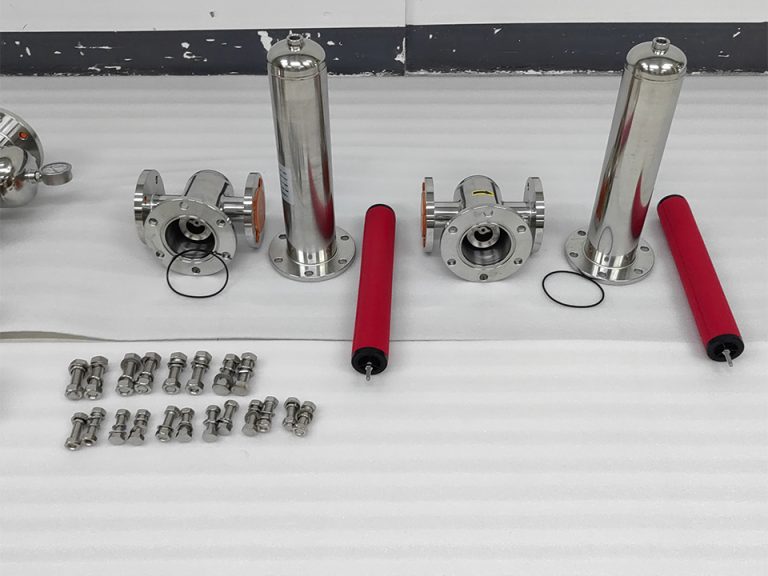
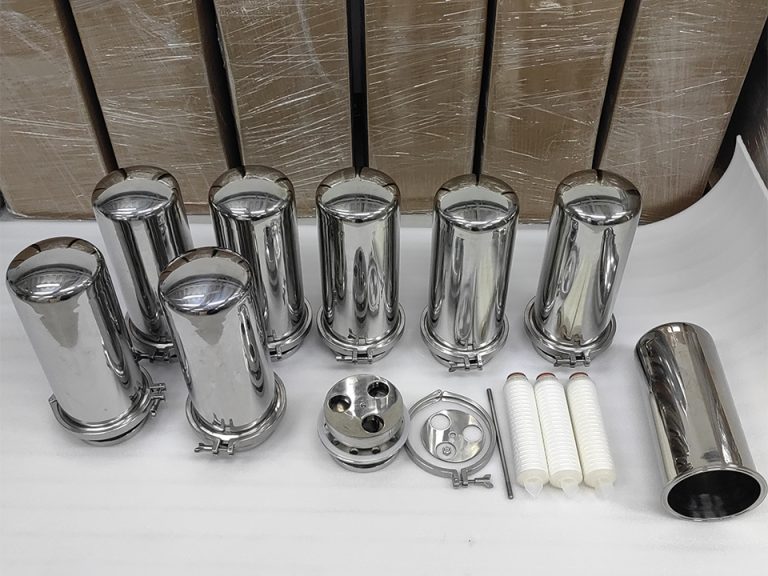
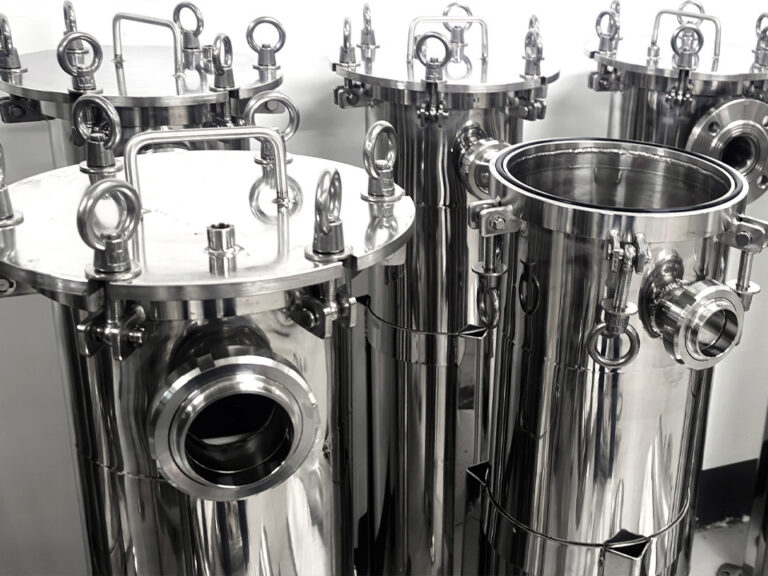
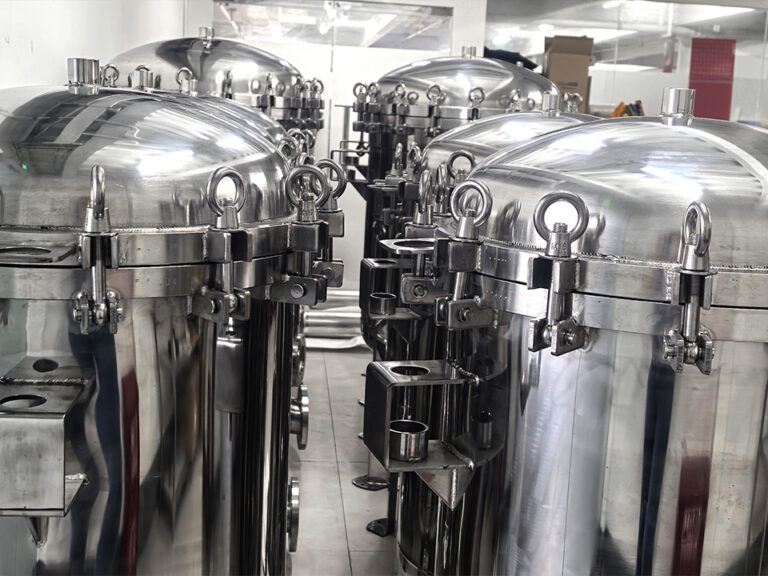
Компания Guangzhou Lvyuan Water Purification Equipment Co., Ltd. является производителем промышленных фильтров, основанная в 2009 году, которая разрабатывает и производит корпуса фильтров из нержавеющей стали, резервуары для стерильной воды из нержавеющей стали, фильтрующие элементы, фильтровальные мешки, ультраполимерные материалы и спеченные фильтрующие продукты. Покупатели выбирают Lvyuan за поддержку OEM/ODM, контроль качества ISO9001 и сертификацию в нескольких странах.
Компания Guangzhou Lvyuan Water Purification Equipment Co., Ltd.
Pleated Cartridge Housings for High-Clarity Process Filtration
A pleated cartridge sets the retention rating of a final filtration stage, but the housing decides whether that rating is achieved in service. If a cartridge seats badly, if wetted surfaces do not suit the product, or if nothing protects the cartridge upstream, the filtration result will not match the datasheet. For buyers polishing process water, beverages, chemical solutions, coatings or pre-membrane feed, the real decision is not just “which micron rating.” It is “which housing, seal, material and upstream protection will let that rating hold.” This guide explains how to specify a pleated cartridge housing for clarity-critical duty, where bag filtration fits ahead of it, and what to confirm with a supplier before ordering.
What Does a Pleated Cartridge Housing Control?
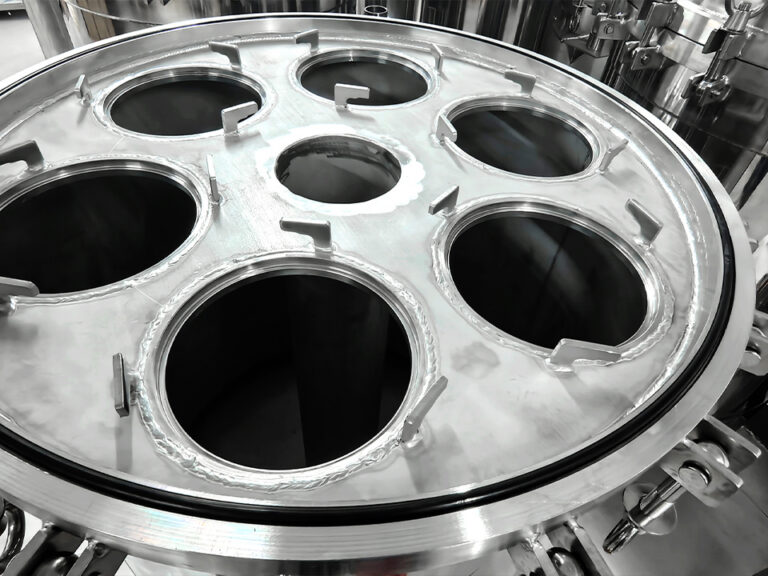
A pleated cartridge housing is a pressure vessel that seats one or more pleated cartridges so that all process liquid passes through the media rather than around it. The cartridge defines particle retention. The housing controls four things that determine whether that retention is realized:
Seal integrity: the cartridge end cap, gasket or O-ring, and sealing surface must match, or liquid bypasses the media.
Flow path and pressure drop: inlet and outlet sizing, number of cartridge positions and venting affect flow distribution and differential pressure.
Wetted materials and cleanability: alloy grade, surface finish and elastomers must suit the liquid, the temperature and any cleaning chemistry.
Serviceability: closure type and access determine how quickly and how cleanly elements can be changed.
Treat the cartridge and housing as one specification, not two separate purchases.
Why Pleated Media Suit High-Clarity Duty
Pleating folds a large media area into a compact cartridge. For a given flow, that area lowers face velocity and pressure drop compared with a non-pleated element of the same envelope, which is why pleated cartridges are common as final or polishing filters. Their weakness is limited dirt-holding capacity. They are surface-oriented, so heavy solids loads shorten their life quickly.
Retention claims need careful reading. “Nominal” and “absolute” are manufacturer-defined terms rather than a single universal standard, so a rating means little without the test method and the efficiency at a stated particle size. Machinery Lubrication’s explanation of beta ratios describes how beta ratios come from multi-pass testing under ISO 16889, a method written for hydraulic fluid power filter elements. The arithmetic is useful for comparing quotes: a beta ratio of 100 at a given size means 99% of particles at that size are removed, while a beta ratio of 10 means 90%. Process-liquid cartridge makers may report efficiency differently, so ask which method produced the number.
Where the requirement is bacterial retention, the relevant claim is different. The ASTM F838-20 test method summary describes determining the bacterial retention of membrane filters used in liquid filtration, using Brevundimonas diminuta as the challenge organism. That is a membrane-cartridge validation question. Do not assume it for depth or standard pleated polypropylene cartridges.
Housing Specifications That Determine Real-World Clarity
Cartridge interface: length, end caps and seals
Match the housing to the cartridge you intend to run. Standard lengths of 10, 20, 30 and 40 inches are common, and end cap styles such as double open end (DOE), 222 and 226 use different sealing methods. A mismatch between end cap and seat is a bypass risk that no micron rating can compensate for. One U.S. distributor’s cartridge housing guide lists the same four match points (length, diameter, end cap and seal type). It also notes that some housings take several end cap styles through adapter plates.
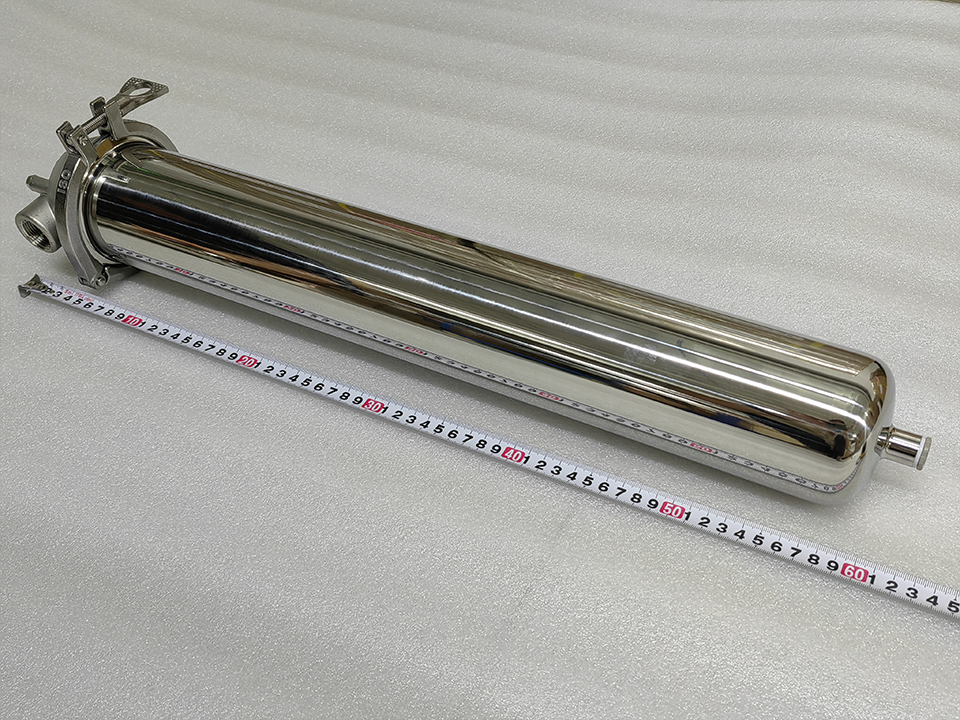
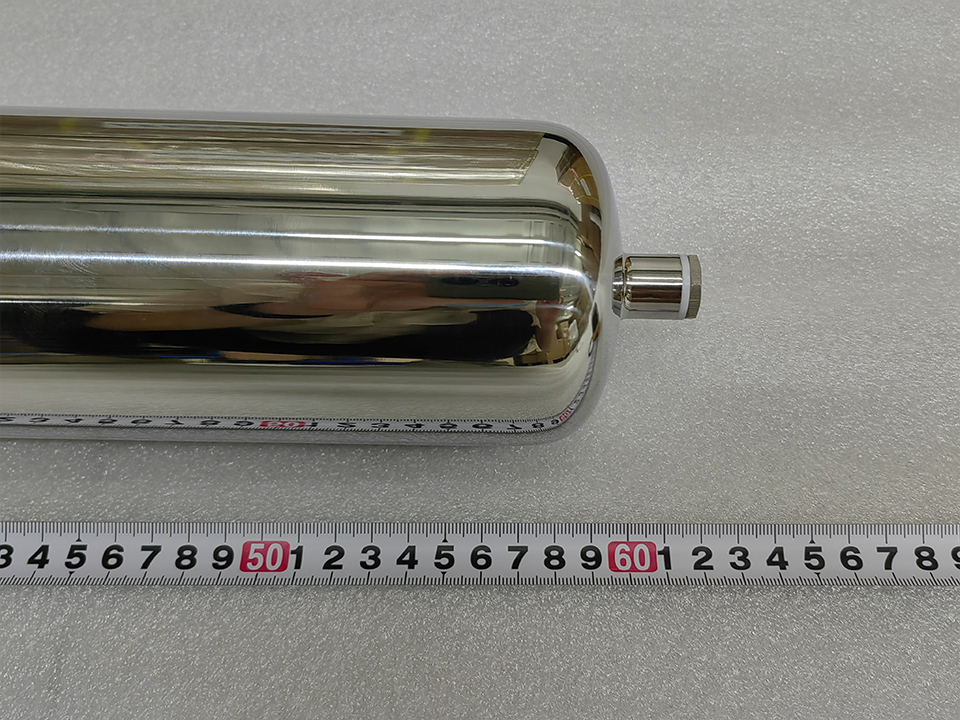
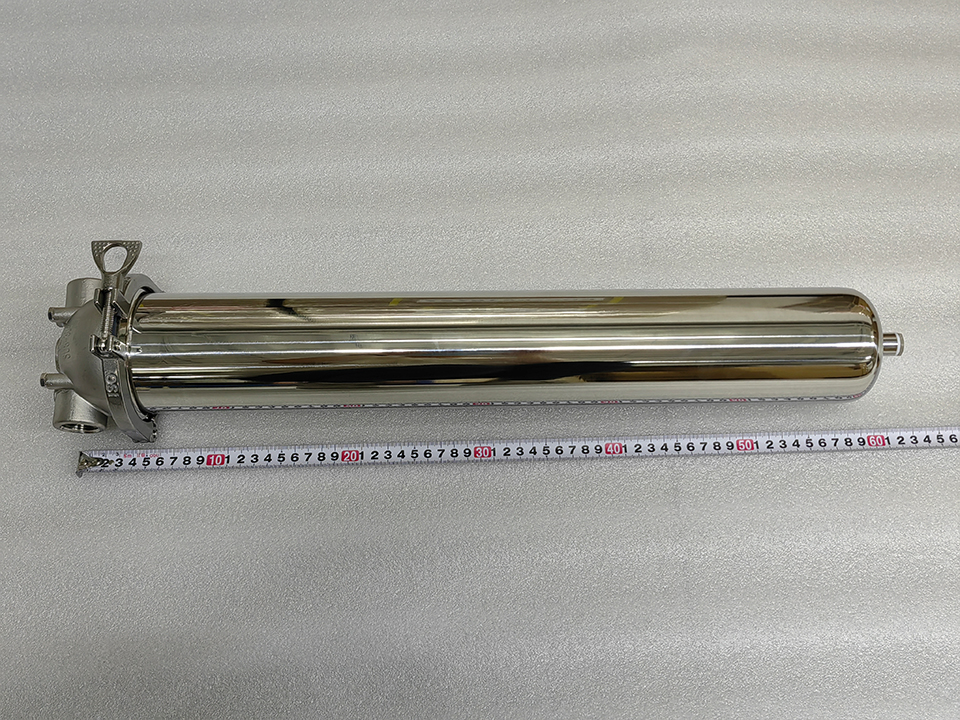
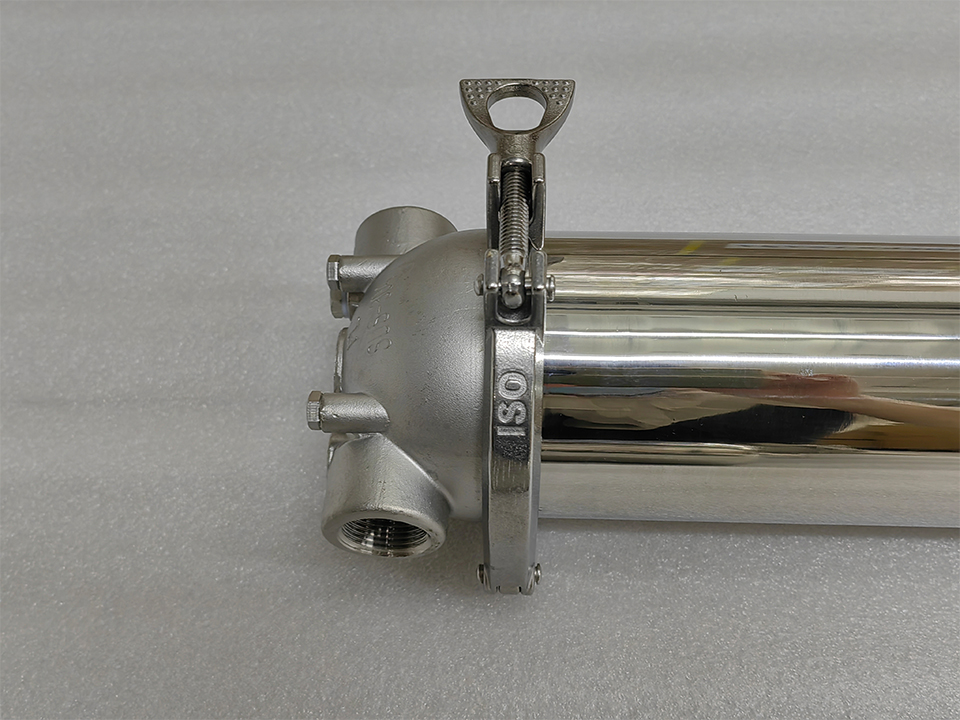
Large-diameter formats are a separate case. The 20-inch Big Blue-style stainless steel cartridge housing is listed as a single-element vessel with threaded inlet and outlet ports and a quick clamp-ring closure. The page associates the format with cartridges up to roughly 4.5 inches in diameter. Before pairing it with a pleated element, confirm the cartridge’s outer diameter, end cap and sealing method against the housing drawing.
Materials and surface finish
SS304 is a common choice for general water and industrial duty. SS316L is usually specified where chlorides, cleaning chemicals or product purity raise corrosion and contamination concerns. Surface finish matters as much as grade in hygienic lines. Polished or electropolished internals are easier to clean, and passivation after fabrication supports corrosion resistance. Ask the supplier for the finish specification, weld finishing method and material certificates rather than accepting a general “mirror polish” description.
Gaskets, pressure and temperature
The housing’s pressure rating is a ceiling, not an operating condition. The real limit is the lowest-rated component. Gasket compound, cartridge media and end caps often fail before the stainless vessel does. Common gasket options include NBR, EPDM, silicone, FKM and PTFE, and each has a different tolerance for temperature, cleaning chemicals and the process liquid. Match the elastomer to the CIP chemistry as well as the product.
Venting, drain and differential pressure gauging
Trapped air under the cover causes uneven wetting and can disturb a sanitary line. A vent valve, drain valve and inlet/outlet pressure gauges are low-cost features. They make start-up repeatable and give the operator a differential pressure reading, which is the main indicator of cartridge loading.
Which Housing Format Fits Which Job?
The table compares the housing formats a buyer in this category is likely to evaluate. Figures are those published on the LY Filter product pages at the time they were reviewed. They vary by model and depend on the gasket, bag and cartridge selected, so treat them as starting points for an RFQ rather than guarantees.
Формат жилья
Typical role in the line
Element held
Published details (product pages)
Main trade-off
Single large-diameter cartridge housing (Big Blue style)
Single element limits capacity; confirm cartridge fit
Single bag housing (top entry, side entry or domed cover)
Prefiltration ahead of the cartridge stage
#1 or #2 bag (some models up to #5)
SS304/316L; 1–200 μm bag ratings; up to 10 bar; up to 120°C depending on seals and bag
Bag media is not a substitute for final polishing
Sanitary tri-clamp single bag housing
Hygienic prefiltration
#1 or #2 bag
SS304/316L; flow up to 40 m³/h; max 95°C
Lower listed temperature than other bag models
Корпус с несколькими мешками
High-flow prefiltration
3 to 12 #2 bags
50–300 m³/h; up to 10 bar; flanged connections
Larger footprint and heavier cover
Steam filter housing
Защита трубопровода технологического пара
Sintered or pleated stainless steel elements
1, 5 or 25 μm; max 150°C; DN50–DN150 flanged
A different duty from liquid clarity
Why Bag Housings Belong Upstream of Pleated Cartridges
The bag housings discussed below hold filter bags in perforated support baskets, not pleated cartridges, so they are not an alternative to the final stage. Their value is protecting it. A bag stage has high dirt-holding capacity per change and a lower cost per element. A pleated cartridge has finer, more precisely characterized retention but clogs sooner. Putting the high-capacity stage first lets each element do the job it suits.
Consider an illustrative scenario (not a customer case). A plant polishes a process liquid through a fine pleated cartridge and sees frequent cartridge changes because the feed carries scale and pipe debris. Adding a coarser bag stage upstream may extend cartridge life, but the benefit depends on the particle size distribution of the feed. A particle count, or at least a sample of the solids in the feed line, is a better basis for the decision than a rule of thumb.
A stainless steel single bag filter housing is the usual starting point. The listed design uses a perforated support basket, a swing eye-bolt closure and side-inlet, bottom-outlet flow, with threaded, flanged or tri-clamp connections available.
The flow entry style affects how the bag is loaded and changed:
A top-entry stainless steel bag filter housing directs liquid directly into the bag. The product page says this helps keep the bag seated and reduces the chance of liquid bypassing the bag seal. That matters when solids slipping around a bag would land on the cartridge downstream.
A side-entry bag filter housing uses a simple side-in, bottom-out path and suits fixed piping where a straightforward bag change is the priority.
A domed-cover single bag housing offers a full-opening cover and is listed for bag sizes #1 to #5, which gives more flexibility in bag length and area for heavier loads.
When one bag vessel cannot carry the flow, a stainless steel multi-bag filter housing spreads the load across three to twelve bags. The page lists flow from 50 to 300 m³/h, noting that the actual figure depends on bag quantity, micron rating and operating conditions.
Sanitary Lines: Food, Beverage and Pharmaceutical Duty
In hygienic service, specify the housing against hygienic design principles, not just stainless steel grade. ASME’s overview of the BPE standard says the standard covers materials, surface requirements and design for cleanability and sterility, among other subjects. Whether a given project needs BPE-aligned equipment is a decision for the process owner and quality team. The same questions apply to any food or pharmaceutical housing. Can it drain completely? Are there crevices where product can lodge? Do the gaskets survive the cleaning regime?
For prefiltration in these lines, a sanitary tri-clamp bag filter housing uses a quick-opening clamp rather than a multi-bolt closure, which shortens bag changes. Its listed maximum is 95°C, lower than the 120°C shown for some other bag models, so check it against any hot CIP step. For the final pleated stage, specify 316L and request the surface finish and certificates in writing. Also ask which compliance documents (such as food-contact material declarations) apply to the gaskets and cartridge as well as the housing.
Steam Is a Separate Filtration Problem
Plants that use process steam sometimes extend a filtration review to steam lines, where pipe scale and corrosion particles can reach downstream equipment. The Оригинальный корпус парового фильтра из нержавеющей стали is listed with sintered or pleated stainless steel elements rated at 1, 5 or 25 μm, a 150°C maximum, 10 bar maximum pressure and DN50–DN150 flanged connections.
This is a different duty from liquid clarity. Polymer pleated cartridges are generally selected for liquids at lower temperatures, so do not assume a liquid-line cartridge or housing is suitable for steam. Specify steam filters separately, including the operating pressure, condensate management and the downstream equipment being protected.
When a Finer Cartridge Is the Wrong Fix
The common assumption is that clearer product means a finer rating. That is true only up to a point. A finer cartridge on an unprotected feed loads faster, raises differential pressure sooner and increases the number of changes. The cost per volume filtered can rise even if the clarity target is met. In some cases, the better fix is to add or improve the stage upstream, or to correct a bypass at the housing, rather than tighten the cartridge rating.
A higher-efficiency cartridge in a poorly sealed housing can also perform worse than a lower-rated cartridge that seats correctly. This does not mean fine ratings are unnecessary. When the downstream process is sensitive (a membrane, a filling line or a sterile boundary), the fine rating is the requirement. The point is to set the rating from the process need, then fix the upstream and housing details so the rating holds.
Operating and Maintenance Practices That Protect Clarity
Record the clean differential pressure when a new cartridge is installed, then track it against the cartridge manufacturer’s terminal limit. Published change-out guidance varies. The distributor guide cited above mentions roughly 30 psi for cartridges, while the limit for a specific element depends on its construction and the process. Use the cartridge datasheet, not a generic figure.
At each change:
Inspect the gasket or O-ring, and replace it if flattened, cracked or swollen.
Check the sealing surfaces for scratches and residue.
Vent air during start-up so the cartridge wets evenly.
Re-check the differential pressure after the first hours of operation.
Reduced flow, a change in clarity or a shift in clean-start differential pressure is a reason to inspect for a seal problem before replacing the cartridge with a finer one.
Что следует указать покупателям перед тем, как запросить ценовое предложение?
Send a supplier this information so the quotation addresses your actual duty:
Fluid and solids: liquid type, viscosity, solids type and size range, and any available particle count.
Flow and pressure: normal and peak flow, operating and design pressure, and the allowable differential pressure.
Temperature and cleaning: operating temperature, plus any CIP or SIP chemistry and temperature.
Cartridge details: length, diameter, end cap style, seal type, media and rating, plus the make and model if it is an existing cartridge.
Housing details: number of cartridge positions, SS304 or SS316L, surface finish, connection type and size, closure type, and accessories (vent, drain, gauges).
Prefiltration: whether a bag stage is needed, and the target bag rating and format.
Compliance and documents: certificates, finish reports, pressure vessel requirements and target market.
Коммерческие условия: quantity, whether it is a one-off or an OEM program, sample or drawing approval, and delivery schedule.
LY Filter’s pages describe OEM and bulk project sourcing, so these details also determine whether a standard model fits or a custom configuration is needed.
Часто задаваемые вопросы
What is a pleated cartridge housing used for? It holds pleated filter cartridges in a sealed pressure vessel so all liquid passes through the media. It is typically used for final or polishing filtration where a defined retention rating, low pressure drop and consistent clarity matter.
Do I need a bag filter before a pleated cartridge housing? Not always, but a bag stage often helps when the feed carries significant solids. Bags hold more dirt per change, which can extend cartridge life. A feed sample or particle count should guide the decision.
Is 316L necessary for a pleated cartridge housing? Not for every line. SS304 can suit general water duty. SS316L is usually preferred for chlorides, aggressive cleaning chemistry, food, beverage or pharmaceutical service. Confirm with the process owner and a corrosion check.
What is the difference between nominal and absolute micron ratings? Both are manufacturer-defined terms. Absolute ratings imply higher, test-backed retention at a stated size, while nominal ratings are looser. Ask for the test method, the efficiency percentage and the particle size.
How do I know when to change a pleated cartridge? Track differential pressure from the clean starting value and replace at the cartridge manufacturer’s terminal limit, or sooner if flow or clarity drops. Generic thresholds vary, so rely on the element datasheet.
Can the same housing be used for steam filtration? Generally no. Steam needs housings and metal elements rated for the temperature and pressure, with condensate management. Liquid-line cartridges and housings should not be reused on steam without written confirmation from the supplier.