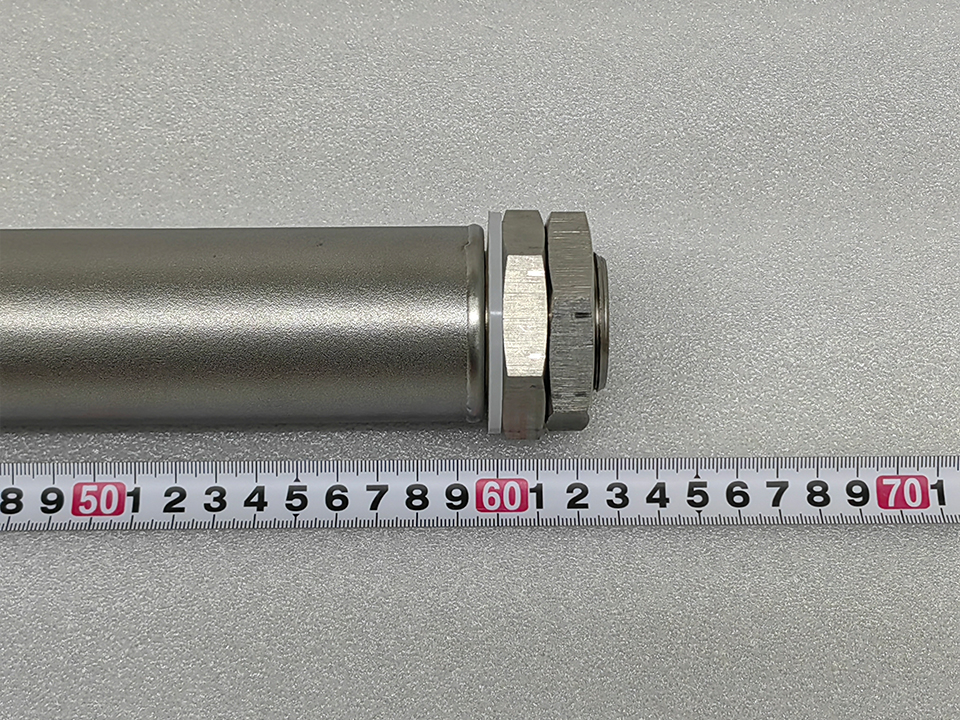
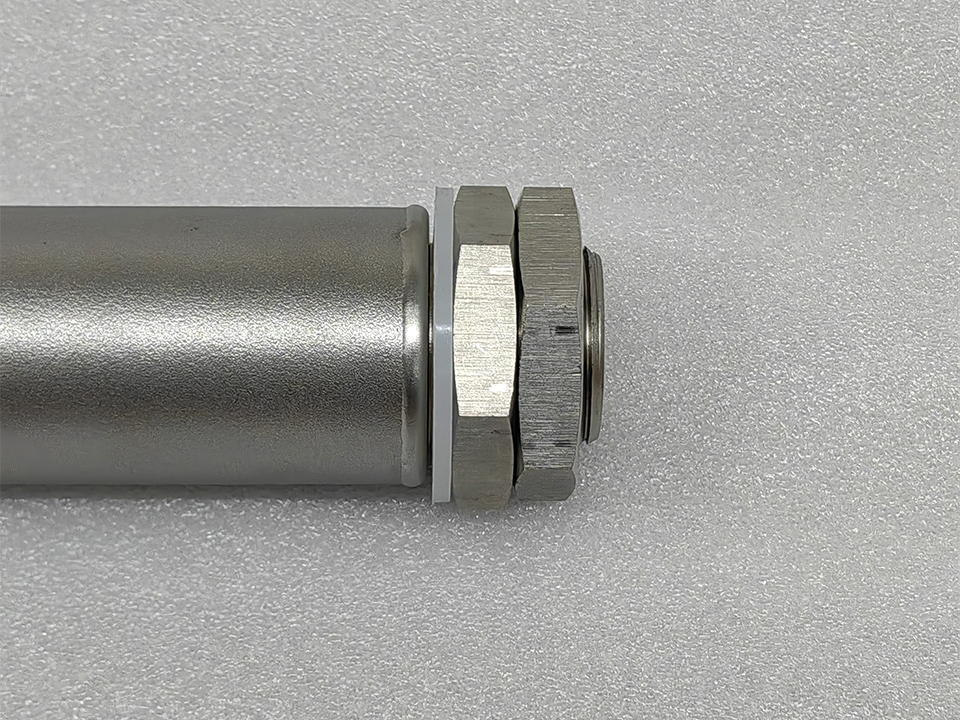
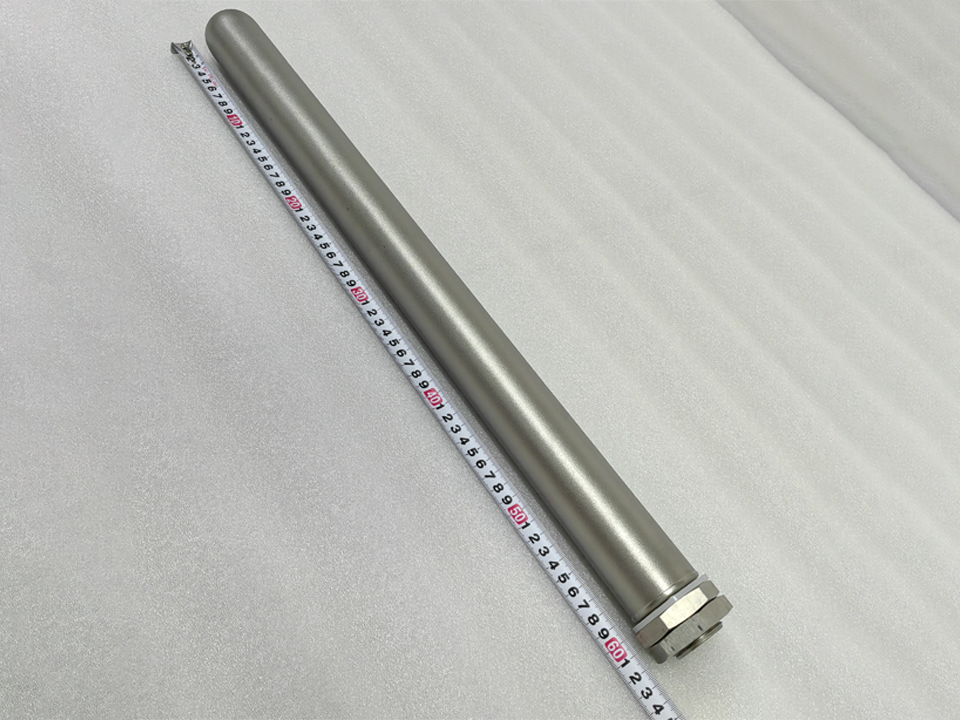
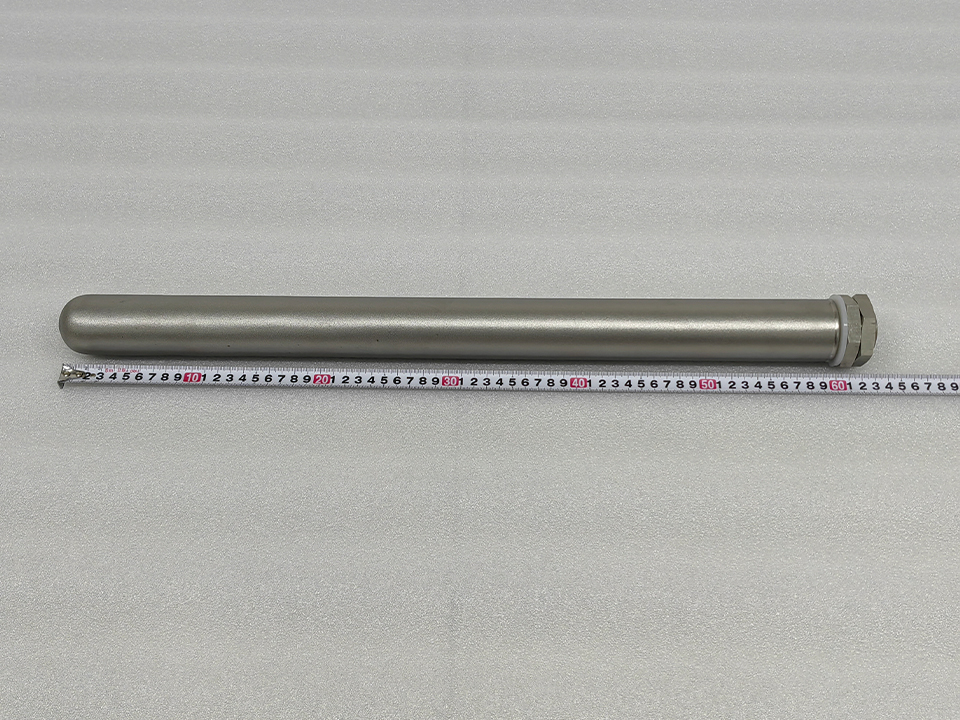
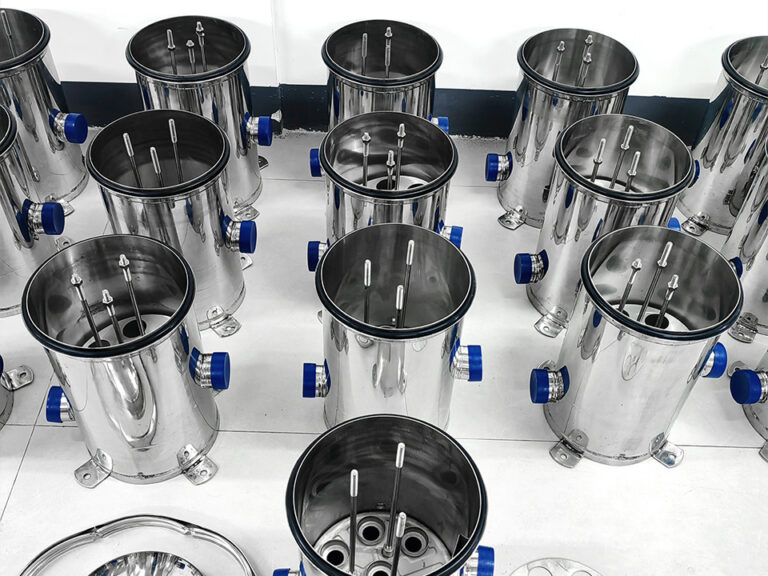
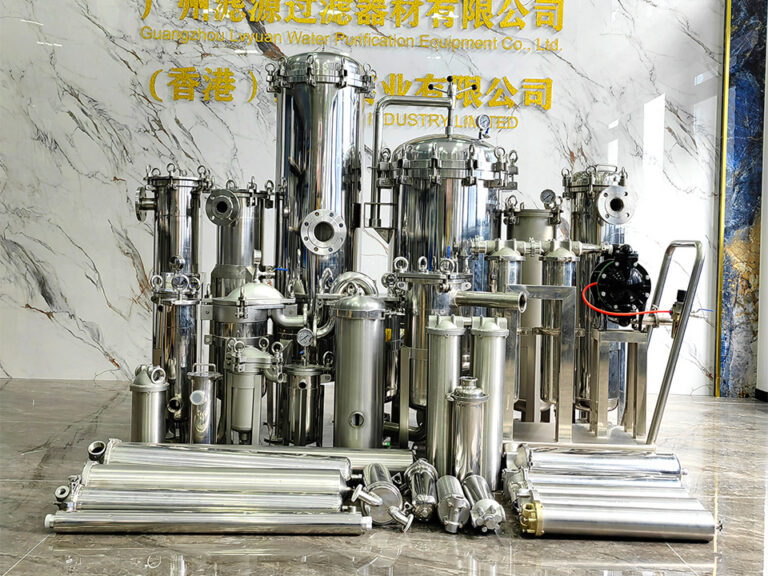
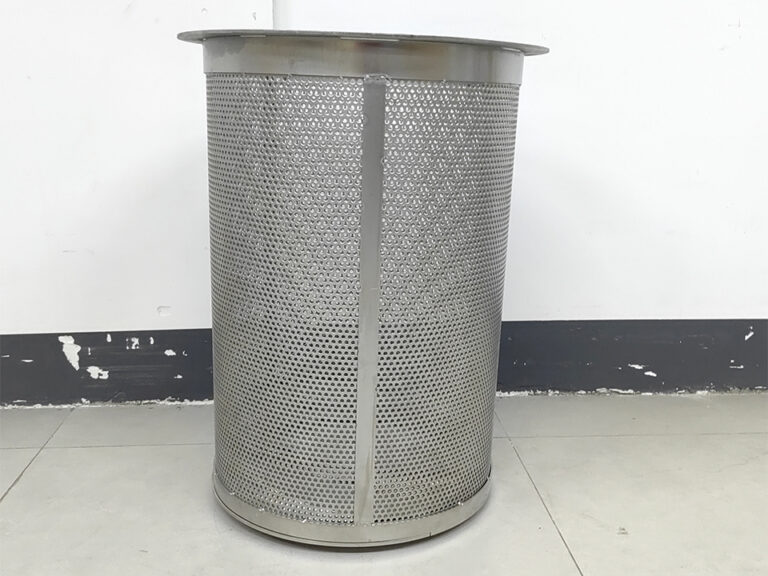
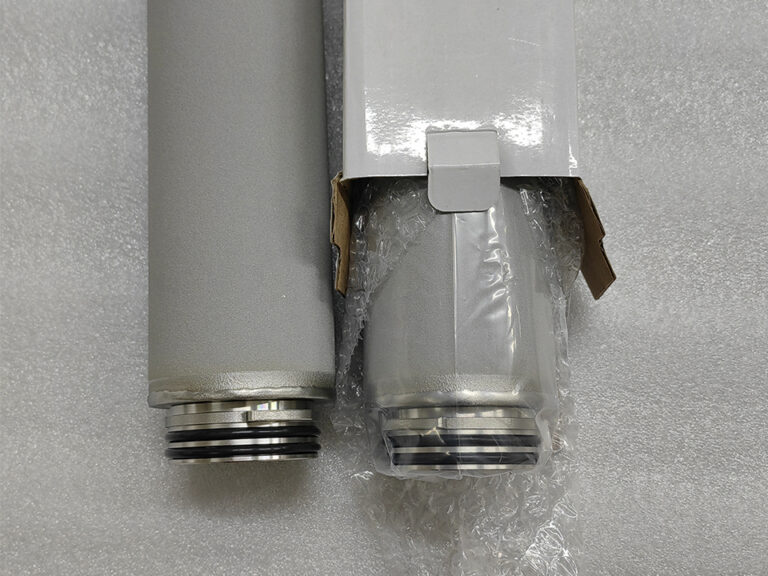
Компания Guangzhou Lvyuan Water Purification Equipment Co., Ltd. является производителем промышленных фильтров, основанная в 2009 году, которая разрабатывает и производит корпуса фильтров из нержавеющей стали, резервуары для стерильной воды из нержавеющей стали, фильтрующие элементы, фильтровальные мешки, ультраполимерные материалы и спеченные фильтрующие продукты. Покупатели выбирают Lvyuan за поддержку OEM/ODM, контроль качества ISO9001 и сертификацию в нескольких странах.
Компания Guangzhou Lvyuan Water Purification Equipment Co., Ltd.
Выбор титанового фильтрующего картриджа для работы в коррозионных средах
Титановый фильтрующий картридж - это не “дорогой нержавеющий картридж”. Это неосторожное сравнение обожгло многих покупателей.
3 слова: химия превыше всего.
Когда я проверяю спецификацию жесткой фильтрации, я начинаю не с микронного рейтинга, размера, цены потока или того, написано ли в торговом листе “кислотостойкий”; я начинаю с тех уродливых вещей, которые никто не хочет указывать в RFQ: концентрация хлоридов, абсолютно свободные окислители, скачки температуры, химия очистки, профиль взвешенных частиц, привычки к перепаду давления и то, будет ли водитель действительно соблюдать процедуру обратной промывки в 2 часа ночи. Зачем притворяться или еще что-то?
Оглавление
Почему титан указывают, когда нержавеющая сталь начинает существовать
Титан занимает свое место благодаря образованию устойчивого слоя диоксида титана, TiO ₂, который может защитить металл в нескольких окислительных и хлоридных средах. Эта оксидная пленка тонкая, стойкая и самовосстанавливающаяся при идеальных химических условиях.
Однако у нее есть враги.
Фтористоводородная кислота, фторид-ионы, горячие кислоты, нечистые хлоридные системы с низким pH и особые проблемы с зазорами могут превратить титан из “пуленепробиваемого” в “дорогостоящий металлолом”. Я говорю об этом откровенно, потому что слишком многие поставщики предлагают модернизацию титановых фильтрующих элементов как страховую защиту. Это не так. Это инструменты с контролируемым риском.
Титановый фильтрующий картридж имеет смысл использовать в тех случаях, когда технологический поток является слишком агрессивным для нержавеющей стали 304/316L, слишком теплым или насыщенным растворителями для полипропилена, а также когда нежелательно рисковать мягкими материалами, которые могут упасть, разбухнуть или разрушиться. Например, регенерация ополаскивателя для гальваники, полировка в соленой воде, очистка от стимуляторов, фильтрация фармацевтических растворителей, объяснение враждебных химических веществ, предварительная обработка в соленой воде и обработка специализированной стали.
Неопровержимый факт относительно заявлений о “ржавостойком картридже фильтра”
“Не подвержен разрушению” - это рекламное выражение, пока кто-нибудь не предложит вам информацию о химической совместимости.
Мне нужны реальные рабочие цифры: концентрация HCl, H TWO SO ₄ процентов, загрузка NaCl, pH, содержание окислителя, температура, скорость, химикат для очистки, время прямого воздействия, и оставляет ли закрытие неподвижную жидкость внутри картриджа. Без этого фраза “лучший фильтрующий картридж для работы с агрессивными средами” звучит как изысканная рекламная брошюра.
И действительно, титан обычно побеждает нержавеющую сталь в морской воде, влажном хлоре, многих окислительных кислотах и хлоридной атмосфере. Однако этот успех условен. Титан 2-го сорта отличается от титана 5-го сорта. Спеченный титановый порошок действует иначе, чем перфорированная титановая трубка. Проницаемый титановый фильтрующий картридж имеет внутреннюю геометрию пор, а не просто площадь поверхности, поэтому химический состав ловушки имеет значение.
Именно здесь скрываются неудачи.
Выбор титанового фильтрующего картриджа начинается с жидкости, а не с каталога
Самая первая ошибка - выбор 5, 10 или 20 микрон до указания того, что картридж должен выйти из строя.
Фильтрующий картридж из спеченного титана обычно выбирают для жесткой, очищаемой и перерабатываемой фильтрации. Это не самый дешевый способ улавливания пыли. Если речь идет об обычной воде с осадком, то полипропилен обычно выигрывает по стоимости. Поэтому традиционный Картридж фильтра PP расплава 5 микрон раздутый для водоснабжения может быть абсолютно практичным в качестве многоразового префильтра перед более дорогим металлическим.
Однако деструктивное решение меняет расчеты. Если жидкость повреждает полипропилен, воздействует на клей, размягчает торцевые крышки или нагревается настолько, что деформирует полимерные носители, титановый картридж перестает выглядеть дорогостоящим и начинает казаться недорогим по сравнению с непредвиденными простоями.
Определяет, является ли картридж действительно многоразовым
Дифференциальный стресс
Чистота ΔP, смена ΔP, ограничение коллапса
Защищает структуру пор и механическую честность
Партии твердых веществ
Размер фрагментов, твердость, деформируемость, содержание масляной паутины
Определяет, нужна ли глубокая префильтрация
Картридж для фильтра из спеченного титана: Структура пор имеет большее значение, чем название металла
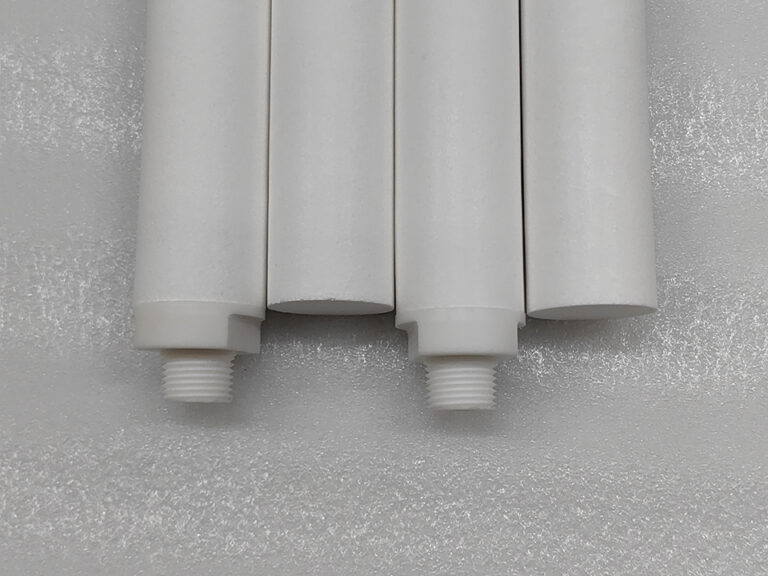
Спеченный титан изготавливается путем склеивания титанового порошка в проницаемый жесткий каркас. В результате получается металлический фильтр с контролируемой сетью пор. Теоретически это обеспечивает стабильный размер пор, устойчивость к высоким температурам, высокую механическую прочность и возможность очистки.
В технике сеть пор также является местом индивидуального загрязнения.
Мелкий осадок гидроксида железа, полимерные гели, биопленка, мелкие частицы водицы, кремнезем и липкая органика ведут себя по-разному. Твердая кристаллическая частица размером 5 мкм не похожа на желатиноподобную массу размером 5 мкм. Один промывает. Другой размазывает.
Поэтому, когда кто-то запрашивает “титан 5 микрон”, я спрашиваю: абсолютный или номинальный? Проверена точка газового пузыря или просто определена? Однослойная или номинальная пористость? Поток снаружи внутрь или изнутри наружу? Каков чистый поток воды при 20 °С? Какова ожидаемая ΔP при фактической толщине?
Маленькие детали. Большие счета.
Где полипропиленовая префильтрация все еще необходима в титановой системе
Вот спорная точка зрения: некоторые неисправности титановых картриджей на самом деле являются неисправностями префильтрации.
Если в трубопроводе много песка, коррозии, трубопроводной окалины или грубых взвешенных частиц, не заставляйте титановый картридж заниматься уборкой. Установите недорогую жертвенную среду перед трубопроводом. A большой 5 микрон PP картридж фильтра осадка позволяет минимизировать массу твердых частиц перед стадией титанирования, в то время как Картриджный фильтр для воды Big Blue PPF может быть использована низкотемпературная предварительная обработка на стороне воды, если это позволяет химия.
Но использование полипропилена именно там, где он долговечен. Полипропилен работает, а не очаровывает. Многие картриджи из расплава полипропилена обеспечивают широкую химическую совместимость, настраиваемую длину, выбор адаптеров DOE/SOE или 222/226 и типичные показатели микронности от 1 до 100 мкм, однако ограничения по температурному режиму и растворителям могут сделать их неподходящими для решения враждебных задач.
Это разделение для клиента: позволить полипропилену ловить пыль, когда химия достаточно легкая; позволить титану иметь дело с теплом, очисткой злоупотреблений и суровой ответственностью, когда полимерные носители не могут быть доверены.
Качество, печать, недвижимость: Монотонные детали, которые решают неудачу
Носитель картриджа получает фокус. Прокладка уничтожает пробег.
Я видел, как конструкторы 2 недели обсуждали размер пор в титане, а затем за 10 секунд утвердили неправильное уплотнительное кольцо. В жестких растворах EPDM, силикон, NBR, FKM/Viton, PTFE и PFA не являются взаимозаменяемыми конструкциями. Это решения для химической границы.
Если титановый элемент установлен в корпус из 316L, спросите, не является ли в настоящее время слабым местом недвижимость. Если технологический поток насыщен хлоридами и горячий, то ухудшение состояния нержавеющей щели может проявиться вокруг резьбовых отверстий, хомутовых соединений, заглушек воздухоотводчиков или стационарных карманов до того, как титановый картридж сам пожалуется.
К настройке жесткого раствора следует относиться как к системе:
Химия для чистки может быть более жесткой, чем химия для процедур
Для предварительной обработки с помощью обратного осмоса, не вызывающей коррозии, a 10-дюймовый перезаправляемый фильтрующий картридж для домашних систем обратного осмоса может иметь смысл. Для разрушительной промышленной службы многоразовые пластиковые метизы обычно находятся вне зоны риска, если только химический состав не докажет обратное.
Micron Score: Хватит покупать наименьшее число
Меньший показатель в микронах не сразу становится лучше.
Картридж с титановым фильтром 0,45 мкм может выглядеть практически исключительным, пока не забьется за 36 часов, не приведет к ΔP в кровельной системе и не заставит операторов обходить занос. Тогда “гораздо лучший” фильтр становится обязанностью, требующей заказа.
Для деструктивной службы мне нравится организованное мышление:
Задание
Типичный начальный массив
Намного лучше Следствие
Надежная защита
25 - 100 мкм
Защищаем ли мы насосы, распылительные форсунки или мембраны, расположенные ниже по течению?
Общее объяснение
5- 20 мкм
Какой размер частиц вызывает реальную проблему процесса?
Отличная полировка
1- 5 мкм
Можно ли очистить картридж, не соединяя поры?
Стерильные или ультратонкие обязательства
0,2- 0,45 мкм
Действительно ли титан является подходящей средой, или необходима мембранная фильтрация?
Не покупайте самый маленький номер. Приобретайте степень удержания, которая защищает процедуру, не превращая фильтр в оборудование с пониженным давлением.
Пористый титановый фильтрующий картридж в сравнении с полипропиленовым, нержавеющим, тефлоновым и хастеллоем
Индустрия выглядит как крутые сравнительные диаграммы. Реальность более беспорядочна.
Тем не менее, таблица опций позволяет форсировать обсуждение.
Медиа Кинд
Прочность
Слабое место
Идеальная посадка
Фильтрующий картридж из спеченного титана
Высокая выносливость, многократное использование, устойчивость к коррозии во многих окислительных/хлоридных средах
Небезопасно для всех кислот, угроза фтора, высокая стоимость заблаговременной обработки.
Очистка агрессивных жидкостей/газов с помощью очистительных циклов
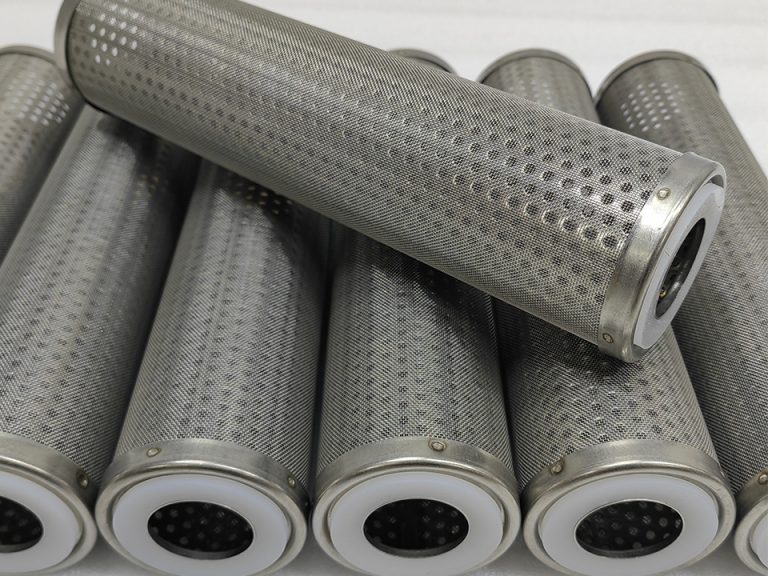
Картридж из нержавеющей стали 316L
Прочный, типичный, простой в использовании
Хлоридная точечная коррозия и разрушение отверстий
Контрольный список закупок, который я бы обязательно поместил в RFQ
Отправьте это до того, как спросите о стоимости.
Серьезно.
Попросите продавца проверить марку титана, метод исследования размера пор, размер картриджа, OD/ID, расположение торцевой крышки, продукт уплотнения, оптимальный уровень рабочей температуры, оптимальный перепад давления, метод очистки, совместимость с называемыми химическими веществами, а также то, является ли картридж бесшовным, клееным или механически сконструированным.
Реальный RFQ на выбор титанового фильтрующего картриджа должен включать:
Пункт RFQ
Минимальная информация для запроса
Марка титана
Качество 2, класс 7 или указанный сплав
Оценка пор
Абсолютное/номинальное значение, точка пузырька, утечки в структурных данных
Измерения
10/20/30/ 40 дюймов, наружный диаметр, внутренний диаметр, плотность поверхности стенок
Концевое соединение
DOE, SOE, 222, 226, резьба, фланец
Запечатанный продукт
EPDM, FKM/Viton, PTFE, силикон
Химия процессов
Полный список химических веществ с указанием концентрации
Уровень температуры
Нормальный, оптимальный, очищающий, отключающий
Давление
Рабочее напряжение, максимальное ΔP, степень разрушения
Очищение
Циркуляция с обратной промывкой, ультразвук, кислота, каустик, тяжелый пар
Документы
Сертификат на материал, прослеживаемость, заключение экспертизы
Если поставщик отвечает просто: “Да, кислотостойкий”, продолжайте.
Параметры отказа, которые никто не размещает на домашней странице
Титановые картриджи для фильтров, как правило, не выдерживают никакой критики.
Они закупоривают. Они протекают через уплотнение. Они образуют байпас из-за неаккуратной посадки адаптера. Они очищаются неправильным химикатом. Они неподвижны из-за попадания концентрата. Они забиваются импульсами давления. Они установлены ниже по течению от грязного контейнера, который должен был быть очищен шесть месяцев назад.
Картридж осуждается с момента его появления.
Однако причина, как правило, кроется в системной дисциплине: неадекватная предварительная обработка, неправильный материал корпуса, отсутствие системы сигнализации ΔP, недокументированные циклы очистки или покупатель, который отнесся к коррозионному сервисному фильтру как к товарному SKU.
ЧАСТО ЗАДАВАЕМЫЕ ВОПРОСЫ
Что такое титановый фильтрующий картридж?
Титановый фильтрующий картридж - это жесткий, многоразовый очистительный компонент из пористой или спеченной титановой среды, выбираемый для применения в тех случаях, когда коррозионная стойкость, термостойкость, механическая прочность и чистота имеют большее значение, чем низкая первоначальная стоимость. Они часто используются в системах фильтрации агрессивных химических веществ, морской воды, фармацевтических препаратов, гальванических покрытий и высокотемпературных жидкостей и газов.
Говоря обычным языком, это металлический фильтр, разработанный для наказания. Однако для него все равно требуется лучший химический состав, уплотнитель, корпус, количество пор и техника очистки. Титан силен; плохие характеристики еще сильнее.
Как выбрать наиболее эффективный фильтрующий картридж для коррозионного раствора?
Лучший фильтрующий картридж для разрушающего раствора выбирается путем подбора фильтрующего материала, уплотнений, корпуса, микронного рейтинга и очистки в соответствии с точным химическим составом, уровнем температуры, нагрузкой, количеством твердых частиц и рабочим циклом. Совместимость продукта важнее скорости циркуляции, размера картриджа или производительности.
Начните с химического состава. После этого проверьте марку титана, прокладку, сплав корпуса, предполагаемое ΔP, а также то, можно ли устранить загрязнение с помощью обратной промывки или химической очистки. Если поставщик не может конкретно рассказать о HCl, H₂ SO ₄, NaCl, HF, окислителях и температуре, не полагайтесь на его предложение.
Является ли фильтрующий картридж из спеченного титана намного лучше, чем из нержавеющей стали?
Фильтрующий картридж из спеченного титана лучше, чем из нержавеющей стали, когда рабочая жидкость вызывает хлоридную коррозию, щелевую коррозию или химическое воздействие на нержавеющую сталь 304 или 316L, оставаясь при этом совместимым с пассивным оксидным слоем титана. Он не является автоматически лучшим в любой кислоте, растворителе или снижающейся среде.
Используйте титан, когда нержавеющая сталь бессильна, а полимерные среды не справляются. Используйте нержавеющую сталь, когда химический состав мягкий, а контроль цены имеет значение. Используйте PTFE, PVDF, Hastelloy или специальные сплавы, если совместимость с титаном вызывает сомнения.
Можно ли очищать и перерабатывать титановые картриджи для фильтров?
Титановые фильтрующие картриджи часто можно очищать и использовать повторно, поскольку их спеченный металлический каркас переносит обратную промывку, ультразвуковую очистку и процедуры химической очистки гораздо лучше, чем многие полимерные картриджи, не подлежащие повторному использованию. Повторное использование зависит от попавшего загрязнения, размера пор, химического состава очистителя, температуры, а также от того, подвергался ли картридж избыточному давлению или химическому воздействию.
Выражение “поддается очистке” является недостаточным. Спросите о разрешенном подходе к очистке, ограничениях на использование чистящих химикатов, ожидаемом проценте восстановления и максимальном перепаде давления. Если органические гелевые загрязнения попадают в мелкие поры, очистка может восстановить гораздо меньший объем циркуляции, чем рекомендует продавец.
Какой микронный рейтинг я должен выбрать для проницаемого титанового фильтрующего картриджа?
Идеальный показатель микрон для проницаемого титанового фильтрующего картриджа - это наибольший показатель пор, который надежно устраняет опасные примеси при сохранении стабильного потока, соответствующего перепада давления и функциональных периодов очистки. Меньшее количество микронов повышает степень удержания, но при этом увеличивает угрозу подключения, регулярность очистки и стоимость эксплуатации.
Для многих коммерческих разрушающих растворов полезным начальным диапазоном является 5-20 мкм. При большой полировке может потребоваться 1-5 мкм. Сверхтонкая работа на уровне 0,2-0,45 мкм требует более строгого признания, поскольку снижение напряжения и образование нагара становятся менее щадящими.
Последний телефонный звонок покупателя
Не покупайте титановый картридж для фильтра, потому что в каталоге написано “коррозионностойкий”. Приобретайте его потому, что химический состав процедуры, уровень температуры, количество твердых частиц, план очистки, корпус и уплотнение указывают на то, что титан является наименее опасной альтернативой.
Мы можем помочь оценить химический состав вашей жидкости, целевой рейтинг пор, расположение корпуса и стратегию префильтрации до того, как вы закроете спецификацию. Пришлите список химических веществ, диапазон температур, целевой микронный рейтинг, размер картриджа, цену потока, а также фотографии или иллюстрации существующего корпуса, после чего запросите предложение титанового фильтрующего картриджа, созданного для реального обслуживания, а не для варианта из брошюры.