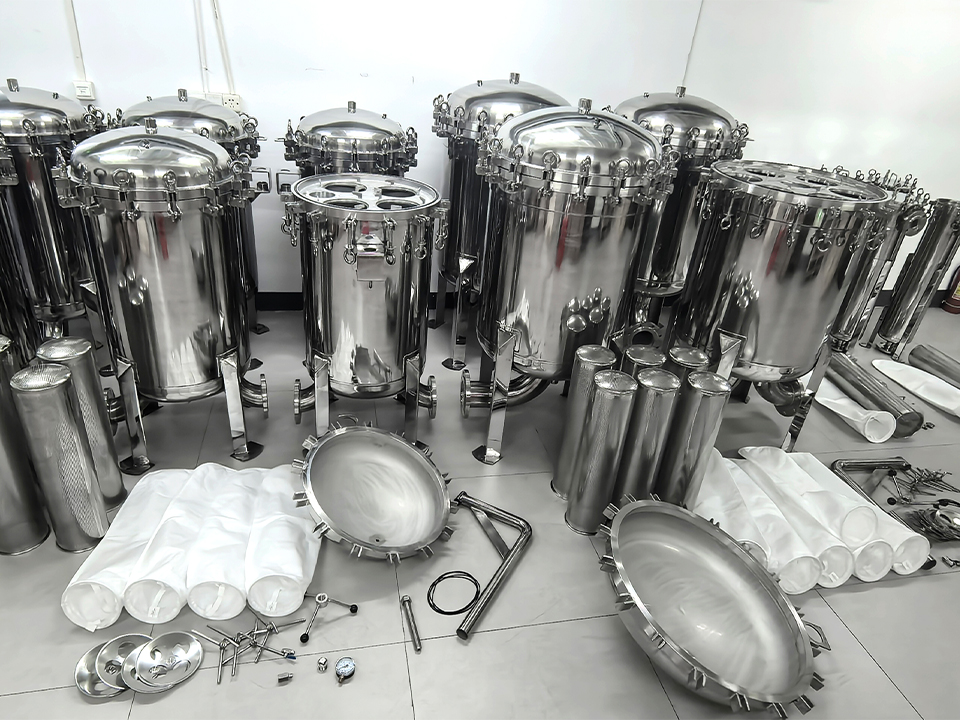
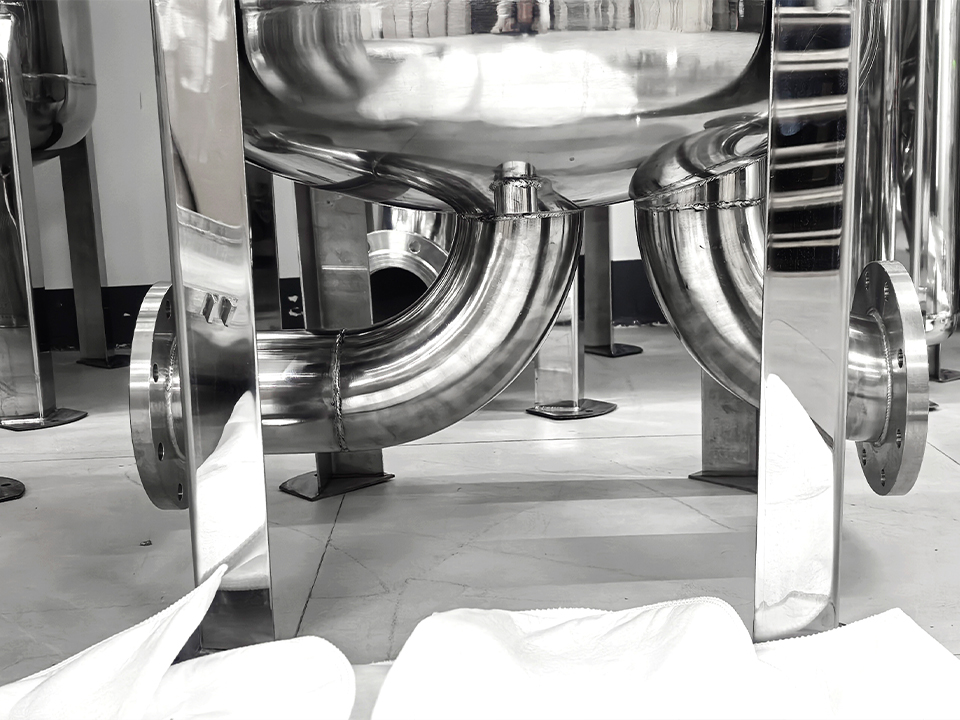
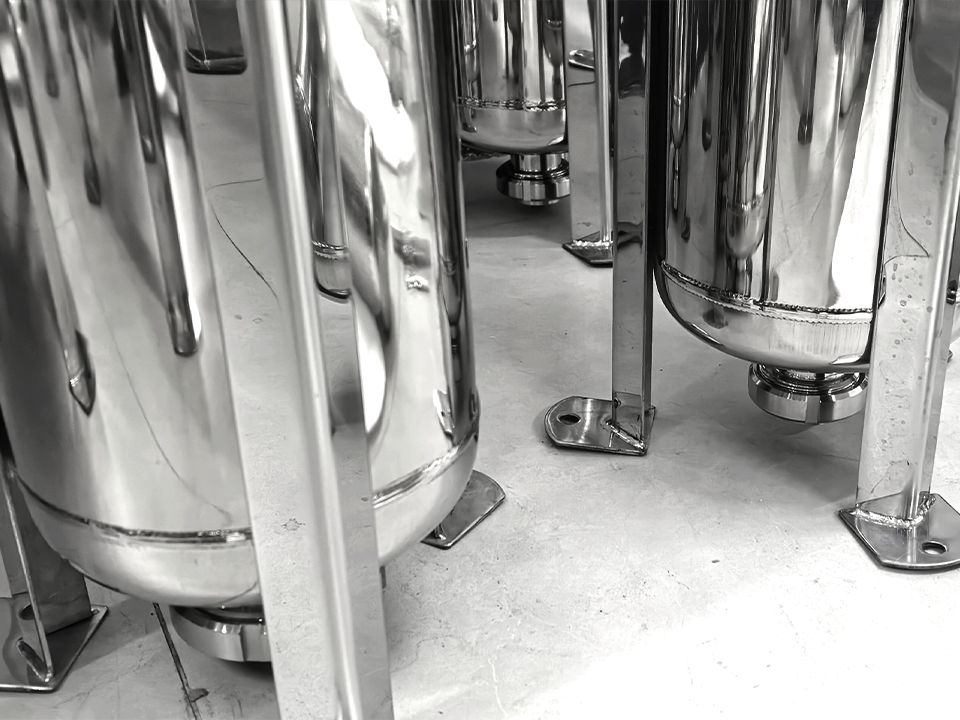
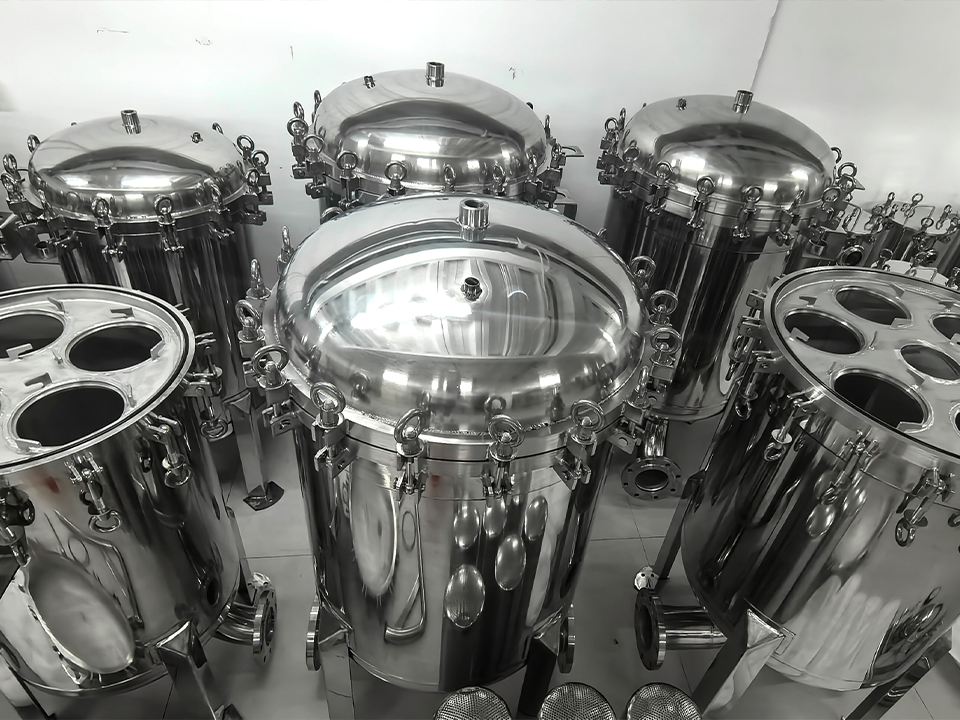
Компания Guangzhou Lvyuan Water Purification Equipment Co., Ltd. является производителем промышленных фильтров, основанная в 2009 году, которая разрабатывает и производит корпуса фильтров из нержавеющей стали, резервуары для стерильной воды из нержавеющей стали, фильтрующие элементы, фильтровальные мешки, ультраполимерные материалы и спеченные фильтрующие продукты. Покупатели выбирают Lvyuan за поддержку OEM/ODM, контроль качества ISO9001 и сертификацию в нескольких странах.
Компания Guangzhou Lvyuan Water Purification Equipment Co., Ltd.
Доочистка на станции очистки сточных вод с использованием картриджных корпусов
Я не раз наблюдал, как операторы относятся к окончательной фильтрации как к эстетическому дополнению — чему-то, что просто прикручивают вниз по потоку после вторичной очистки, УФ-облучения, мембранных фильтров или химического осаждения, чтобы начальник станции чувствовал себя гораздо спокойнее перед проверкой на получение лицензии. Вот так и теряются деньги. Корпус картриджного фильтра — это не волшебная коробка; это сосуд под давлением, который пропускает очищенный сток через сменные фильтрующие элементы — как правило, глубинные полипропиленовые, мелтблаунные, гофрированные, угольные или специальные картриджи — для улавливания взвешенных твердых частиц и осадка, которые не удалось задержать системам, расположенным выше по потоку.
Так почему же такое простое в эксплуатации оборудование по-прежнему используется на крупных заводах?
Дело в том, что конечный сток не соответствует описаниям в рекламных брошюрах. В нём содержатся мелкие флокулы, фрагменты водорослей, осадок железа, остатки полимеров, органические частицы, мелкий песок, фрагменты микропластика, а также, время от времени, неприглядные сгустки, возникающие из-за нестабильности процессов на предшествующих этапах. Когда эти вещества попадают в УФ-рукава, мембраны обратного осмоса, контуры повторного использования, оросительные форсунки, системы подпитки градирен или системы контроля сброса, работа установки перестаёт быть теоретической.
Это становится доказательством.
Неприятная правда об очистке конечных сточных вод
Суровая реальность заключается в том, что системы фильтрации на очистных сооружениях зачастую рассчитаны на условия среднестатистических дней, а в дни с повышенной загрязнённостью на них ложится вся вина.
Вторичный отстойник может выглядеть стабильным в 10 часов утра, но уже к 14 часам подвести вас из-за гидравлического удара, появления нитчатого ила, нестабильности при низком показателе SRT, разбавления ливневыми водами или ненадлежащего контроля за коагулянтами. Картриджные системы не заменяют отстойники, мембранные биологические реакторы (MBR), песчаные фильтры, дисковые фильтры или устройства для воздушно-масляной сепарации (DAF). Однако они могут выступать в качестве последнего физического контрольного пункта перед повторным использованием, сбросом, контролем показателей или последующими мембранными системами.
Это важно.
Если система доочистки сточных вод предназначена для защиты системы УФ-дезинфекции, для снижения загрязнения УФ-ламп может оказаться достаточным использование предварительного фильтра с размером пор 20 микрон. Если же эта же установка защищает систему обратного осмоса (RO), то в цепочке предварительной фильтрации может потребоваться использование фильтров с размером пор от 20 микрон до 5 микрон и до 1 микрона, с проведением тестирования по показателю SDI и мониторингом динамики перепада давления. Если целью является доочистка от фосфора после дозирования квасцов или хлорида железа, фильтр не “удаляет фосфор” в химическом смысле; он улавливает осажденные твердые частицы, которые содержат фосфор.
Видите разницу?
Операторы, которые не учитывают этот важный момент, переплачивают за картриджи и не достигают требуемых показателей эффективности химической очистки. Мне доводилось видеть, как на предприятиях критиковали поставщика картриджей, тогда как на самом деле проблема заключалась в слабой коагуляции, отсутствии времени на созревание флокул и том, что фильтрующий элемент вынужден был выполнять функции технологического резервуара.
Где именно в установке очистки сточных вод устанавливаются картриджные корпуса
Корпус картриджного фильтра устанавливается после того, как установка уже выполнила основную работу.
Стандартная схема размещения выглядит следующим образом: биологическая очистка, дополнительная очистка или мембранное разделение, опциональная химическая осаждение, опциональная фильтрация на фильтрующих элементах или дисковая фильтрация, после чего — доочистка с помощью картриджей перед УФ-очисткой, повторное использование, обратный осмос (RO), подпитка охлаждающей воды, производственная вода или отбор проб для окончательного сброса. В компактных промышленных системах эта система может устанавливаться после ламельного осветления, DAF, мешочной фильтрации или ультрафильтрации в качестве защитного этапа.
Но не ставьте его перед беспорядком.
Если содержание взвешенных твердых веществ (TSS) в поступающей жидкости колеблется от 15 мг/л до 120 мг/л, корпус картриджа превращается в одноразовый накопитель осадка. Это не метод фильтрации. Это просто захоронение картриджа. В реальных условиях эксплуатации мне нужна надежная улавливание твердых частиц на входе, предсказуемая циркуляция, четкий индикатор перепада давления, запорные клапаны, сливные отверстия, вентиляционные отверстия и достаточная мощность параллельных корпусов, чтобы менять конфигурацию без перегрузок при оптимальной циркуляции.
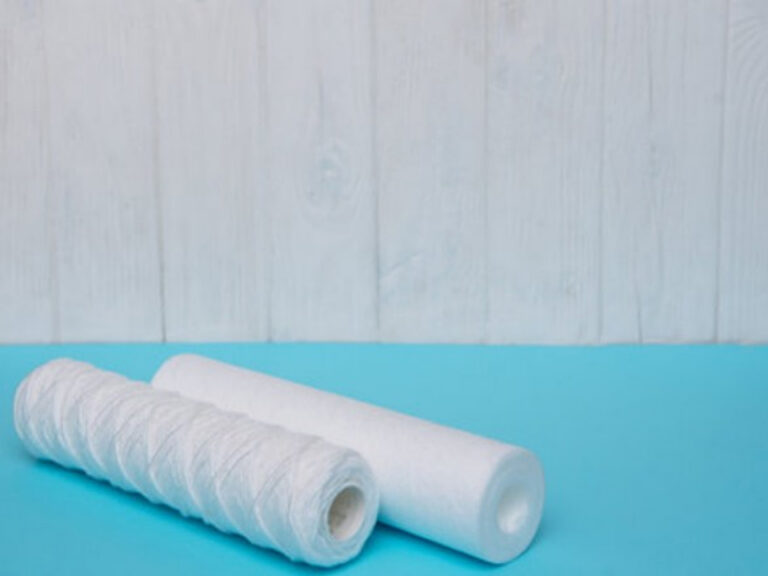
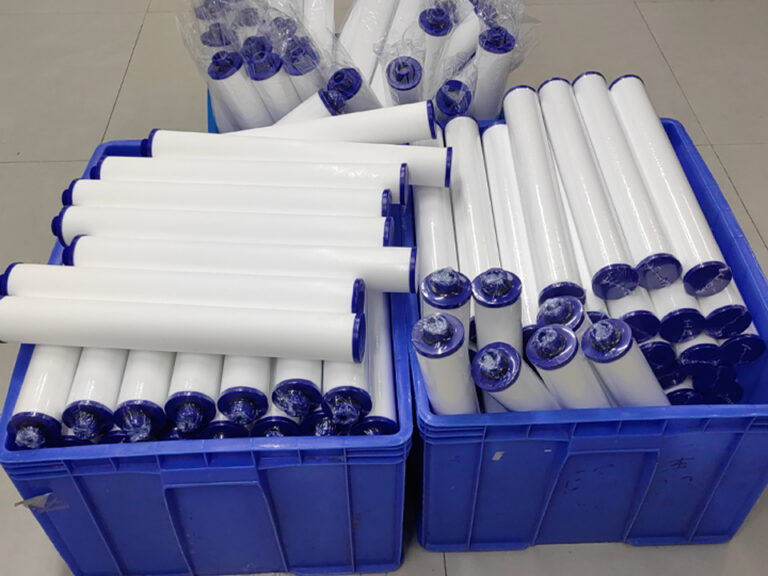
Когда речь заходит о модуле полировки для промышленного применения, в первую очередь обычно рассматриваются картриджи PP с различной глубиной. Предприятие, ищущее гибкие варианты размеров для замены, может начать с Полипропиленовые картриджные фильтры глубинного типа для корпусов размером 10, 20, 30 и 40 дюймов поскольку длина ствола, способность удерживать грязь и периодичность технического обслуживания имеют большее значение, чем чистота магазина.
Выбор картриджа: показатели компании Micron, фильтрующие материалы и неудачные попытки сэкономить
Рынку нравятся рейтинги компании Micron, поскольку они кажутся конкретными. На самом деле это, как правило, не так.
Картридж с номинальным размером пор 5 микрон и картридж с фактическим размером пор 5 микрон — это не одно и то же. Неплотный, недорогой картридж с номинальным размером пор из полипропилена (PP) может пропускать достаточное количество загрязнений, чтобы вывести из строя УФ-систему, при этом оставаясь достаточно эффективным, чтобы досаждать операторам. Более качественный картридж с глубинной фильтрацией, изготовленный методом экструзии с раздувом, обеспечивает номинальную структуру пор: более крупные частицы оседают на внешней поверхности, более мелкие проникают глубже, а весь элемент удерживает пыль гораздо более равномерно.
Так гласит теория.
В сточных водах данный концепт учитывает биопленку, масло, полимеры, железо, марганец, карбонат кальция, гидроксид железа(III), гидроксид алюминия, гуминовые вещества и степень загрязнения. Картридж следует выбирать с учетом степени загрязнения, а не только исходя из номинала, указанного на упаковке. Что касается описанной очистки, я бы предпочел использовать фильтры с размером пор 20, 10 и 5 микрон, чем один-единственный фильтр с размером пор 1 микрон, который выходит из строя при каждой замене.
Вот мой простой тест: если никто не фиксирует дифференциальное напряжение, значит, никто не следит за состоянием фильтра.
Состояние картриджного фильтра отражается в значении ΔP. Падение давления в новом картридже при нормальном расходе служит базовым показателем. Увеличение перепада давления свидетельствует о скоплении твердых частиц, биологическом загрязнении, загрязнении маслом, попадании химических осадков или слишком тесном размещении корпуса. Резкое снижение перепада давления может означать более серьезные проблемы: обход, неисправность уплотнений, разрушение сердечника, неправильный размер картриджа, плохая посадка торцевой крышки или то, что фильтр никогда не был должным образом затянут.
«Low-cost» перестает работать, не выдавая никаких признаков.
Самая большая ошибка, которую я наблюдаю, — это покупка картриджей с ориентацией на стоимость устройства, а не на затраты на кубический метр обработанной воды. Элемент $2.40, который меняется каждые 6 часов, не является более экономичным, чем элемент $6.80, который меняется каждые 36 часов. В расчёты необходимо учитывать затраты на рабочую силу, простои, риск обхода системы, утилизацию отходов и нестабильность качества сточных вод.
Для крошечных полозьев, а Картридж для мусора из полипропилена 5 микрон может служить в качестве последнего защитного звена после гораздо более эффективного удаления твердых частиц на предыдущих этапах очистки. Однако если этот картридж используется в качестве самой первой линии защиты после нечистого вторичного стока, следует ожидать коротких циклов работы и недовольства водителей.
Сравнительная таблица: варианты корпусов картриджей для доочистки сточных вод
Полировальная мишень
Стратегия использования стандартных картриджей
Что это может помочь устранить
Что это точно не исправит
Предупреждение эксперта
УФ-защита
Картридж с глубинным фильтром из полипропилена толщиной 20 или 10 микрон
флокулы, кусочки водорослей, твердые частицы, прилипающие к рукаву
Растворимый БПК, аммиак, нитраты
Отслеживайте показатель UVT отдельно; чистая вода не всегда подходит для УФ-облучения
Система фильтрации с функцией повторного использования воды
Поэтапные полипропиленовые картриджи с размером пор от 10 до 5 микрон
Удаление твердых частиц, мелких частиц и осажденных металлов
Растворенные соли, растворимый фосфор
Если спрос на повторное использование не удается сдержать, следует задействовать параллельные объекты недвижимости
Предварительная обработка обратным осмосом
20 микрон → 10 микрон → 5 микрон, иногда 1 микрон
Отлично удерживает твердые частицы, загрязнения мембран и песок
Проблемы с SDI, вызванные исключительно органическими веществами
Ни в коем случае не пропускайте регистрацию показателей SDI, мутности и профилей ΔP
Фосфор восстанавливается после внесения химических веществ
Картридж «Deepness» после коагуляции/флокуляции
Осадок из квасцов или трехвалентного железа, содержащий фосфор
Ортофосфат, все еще растворенный в воде
Химическая реакция должна происходить до фильтрации, а не внутри картриджа
Последний фильтр для промышленных сточных вод
Слой полипропилена, слой, полученный методом экструзии с раздувом, или последовательность «углерод/полипропилен»
TSS, нефтесодержащие твердые частицы, в некоторых случаях — цвет/запах
Эмульгированное масло, высокий показатель ХПК, растворители
Углерод способствует росту некоторых органических веществ, однако он не является гарантией разрешения
Повторное использование с учетом запаха и цвета
PP-предфильтр и угольный фильтр
мусор, некоторые примеси, запах, хлор, органические вещества
Как очистить сточные воды с помощью картриджных фильтров
Начинать нужно с потока отходов, а не с брошюры о фильтрах.
Прежде чем принять решение о внедрении любого полномасштабного комплекса картриджных фильтров, я бы запустил небольшую пилотную установку. Минимальная информация: расход в м⁴/ч, содержание взвешенных твердых частиц (TSS) на входе и выходе, мутность в NTU, размер частиц в циркуляционном потоке (если доступно), температура, pH, ОВП, содержание нефти и масел, железа, марганца, ХПК, показатель FIGURE ₅, общий фосфор, ортофосфаты, микронный рейтинг картриджа, материал картриджа, перепад давления в чистом состоянии, перепад давления в загрязнённом состоянии, время работы и вес отходов.
Это кажется слишком много. Но это не так.
Оператор, располагающий этими данными, может обеспечить соблюдение стандартов на всех этапах: от закупок до аудитов и анализа отказов. А вот оператор, который просто заявляет: “Мы установили фильтр с размером пор 5 микрон”, практически ничего не может гарантировать. Картридж с размером ячейки 5 микрон при расходе 2 м²/ч ведет себя иначе, чем точно такой же картридж при расходе 8 м²/ч. 40-дюймовый элемент имеет иные характеристики удержания загрязнений, чем 10-дюймовый элемент. Многокартриджный корпус из нержавеющей стали работает иначе, чем пластиковый однокартриджный корпус.
Что касается фильтра для осветления сточных вод, я обычно прошу пилота проверить три аспекта.
Во-первых, какой микроновый рейтинг обеспечивает требуемое высокое качество очищенной воды без неоправданного падения давления? Во-вторых, сколько часов работы или кубических метров может прослужить каждый картридж до достижения предельного ΔP? В-третьих, что приводит к выходу картриджа из строя: постоянная нагрузка, загрязнение маслом, образование биологического налёта, химическое отложение или механический байпас?
Ответ определяет систему.
Опасность, о которой никто не упоминает в презентации для клиентов
Регулирующие органы не интересует, был ли патрон “высшего качества”. Их интересует, соответствовал ли выстрел условиям разрешения.
В 2024 году случаи с сточными водами продолжали напоминать рынку, что сбои в очистке — это не только проблема технологических процессов. Разливы сточных вод, сбросы промышленных стоков, содержание фосфора, кишечной палочки, масел и жиров, а также нарушения разрешительных норм быстро превращаются из записей в журналах технологических процессов в судебные иски, штрафы и общественное возмущение. Именно поэтому я не люблю небрежно разработанные схемы очистки. Они создают у руководства ложное ощущение контроля, в то время как операторы остаются с ненадежным оборудованием и без документального следа.
«Картриджная» модель может обеспечить соблюдение требований. Но она не способна создать соответствие из хаоса.
Если на вашем предприятии наблюдаются постоянные скачки уровня общего взвешенного вещества (TSS), всплески роста водорослей, загрязнение УФ-фильтров, жалобы на повторное использование воды или загрязнение мембранного слоя, то может оказаться целесообразным провести доочистку с помощью картриджей. Если процесс, предшествующий очистке, работает нестабильно, сначала решите эту проблему. Я понимаю, что это не так увлекательно, как покупка резервуаров из нержавеющей стали. Зато это и дешевле.
Часто задаваемые вопросы
Какова роль картриджных фильтров в очистке сточных вод?
Корпус картриджного фильтра представляет собой резервуар, рассчитанный на работу под давлением, в котором размещаются сменные фильтрующие картриджи для удаления остаточных частиц из очищенных сточных вод после того, как первичные, вторичные или третичные процессы уже снизили основную нагрузку загрязняющих веществ. Обычно он используется для окончательной очистки сточных вод, обеспечения безопасности повторного использования, защиты от ультрафиолетового излучения и предварительной очистки перед мембранной обработкой.
Проще говоря, корпус — это оборудование, а картридж — это сменный фильтрующий элемент, выполняющий функцию очистки. В самых эффективных системах размер корпуса, длина картриджа, степень очистки в микронах, тип уплотнения, скорость потока и удобство доступа для технического обслуживания соответствуют фактическому качеству очищенной воды.
Могут ли картриджные фильтры очистить конечный сток?
Картриджные фильтры позволяют доочищать конечный сток сточных вод, улавливая повторно удерживаемые твердые частицы, флокулы, осажденные металлы, фрагменты водорослей и различные другие крупные частицы, остающиеся после биологической очистки, отстаивания, фильтрации на фильтрующих материалах или химического осаждения. Их лучше всего использовать в качестве заключительного этапа очистки, а не в качестве замены основной системы очистки сточных вод.
Проблема заключается в термине “глянец”. Картриджные фильтры улучшают качество воды и защищают оборудование, однако без применения дополнительных химических реагентов или мембранных технологий они не способны надежно удалять растворенный аммиак, нитраты, растворимый фосфор, соли или высокий показатель ХПК.
Какой размер пораждённых пор лучше всего подходит для доочистки сточных вод?
Оптимальный размер пор для доочистки сточных вод, как правило, определяется в ходе пилотных испытаний, однако в стандартных системах обычно используются картриджи с размером пор 20 микрон, 10 микрон, 5 микрон, а в некоторых случаях — 1 микрон, в зависимости от качества сточных вод и требований к защите последующих звеньев системы. Более высокие значения микронов улучшают степень улавливания, но зачастую приводят к увеличению перепада давления и необходимости более частой замены картриджей.
Один-единственный картридж с размером пор 1 микрон может выглядеть впечатляюще в техническом предложении, но впоследствии быстро выйти из строя при очистке реальных сточных вод. Я предпочитаю многоступенчатую фильтрацию в случаях, когда содержание твердых частиц варьируется, поскольку она распределяет загрязнения по нескольким ступеням и обеспечивает операторам более стабильную кривую падения давления.
Подходят ли картриджные фильтры из полипропилена для очистных сооружений?
Картриджные фильтры из полипропилена подходят для выполнения ряда задач по осветлению сточных вод на очистных сооружениях, поскольку полипропилен выдерживает широкий диапазон химических составов воды, обеспечивает превосходную эффективность удержания осадка и легко доступен в различных исполнениях: с рифлением, полученным методом экструзии с раздувом, с канавками, гладких и глубинных. Как правило, они используются для снижения содержания взвешенных твердых частиц (TSS), предварительной фильтрации и окончательного осветления сточных вод.
Проблема заключается в совместимости и нагрузке. Фильтры PP не являются универсальным решением для высокотемпературных потоков, агрессивных растворителей, густой нефти или сильных биологических отложений. Перед закупкой большого количества всегда проверяйте уровень pH, температуру, наличие окислителей, содержание нефти и масла, конструкцию картриджа, плотность прилегания торцевой крышки и материал уплотнения корпуса.
Как часто следует заменять картриджи для доочистки сточных вод?
Картриджи для доочистки сточных вод необходимо заменять, когда перепад давления достигает заданного конечного предела установки, качество стоков начинает ухудшаться, расход падает ниже технологических потребностей или данные о времени эксплуатации указывают на предсказуемое исчерпание ресурса. Замена должна производиться с учетом показателей давления и эффективности, а не исключительно в соответствии с графиком плановой замены.
В рамках профессиональной схемы ведения учета фиксируются показатели чистого перепада давления (ΔP), рабочего перепада давления (ΔP), скорости циркуляции, мутности, общего количества взвешенных твердых частиц (TSS) и времени нахождения в растворе. После того как на установке будет зарегистрировано определенное количество циклов наполнения, замена картриджей становится плановой, а не экстренной.
Принесите «Пилотский скелет», а не презентацию для продаж
Если вы серьезно настроены на модернизацию очистных сооружений сточных вод с использованием картриджных корпусов, не спешите сразу оформлять заказ. Начните с анализа качества загрязненной воды, пилотного проекта, определения степени очистки (3 микрона), оценки давления, лабораторных данных и найма одного оператора, имеющего соответствующий допуск.
Мы поможем вам подобрать картриджи с полипропиленовым фильтрующим слоем, элементы из мелтблауна, осадочные картриджи и готовые картриджные системы для решения конкретных задач по доочистке сточных вод. Сообщите нам расход, требуемый уровень очистки в микронах, содержание взвешенных твердых веществ (TSS) на входе, мутность, температуру, pH и размер корпуса, и мы обязательно поможем уточнить требования к картриджам, прежде чем ваши операторы столкнутся с очередной головной болью, связанной с техническим обслуживанием.