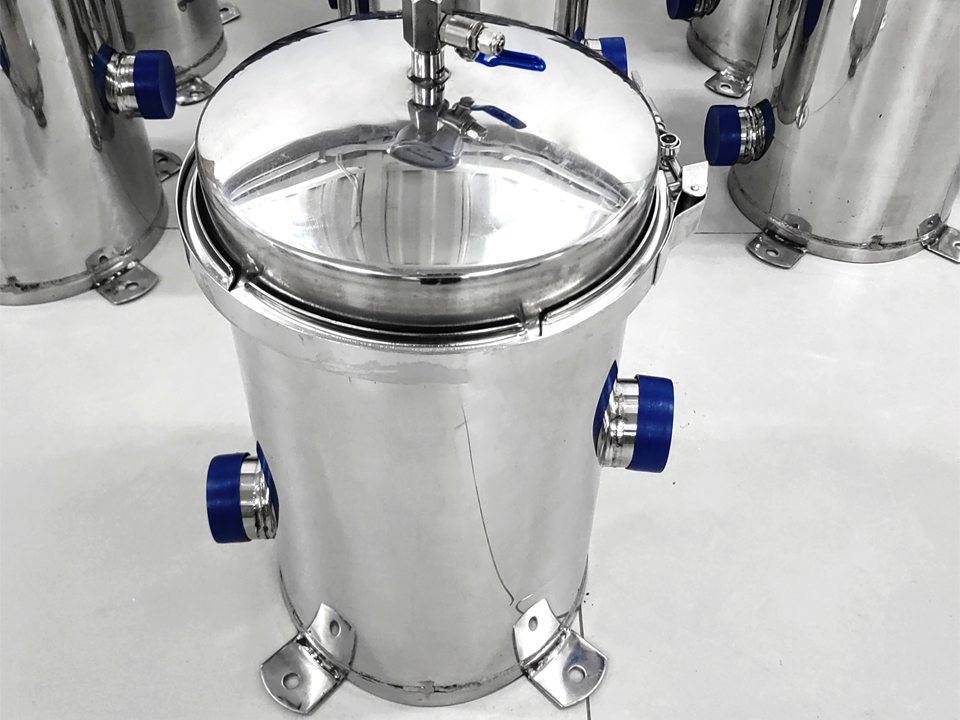
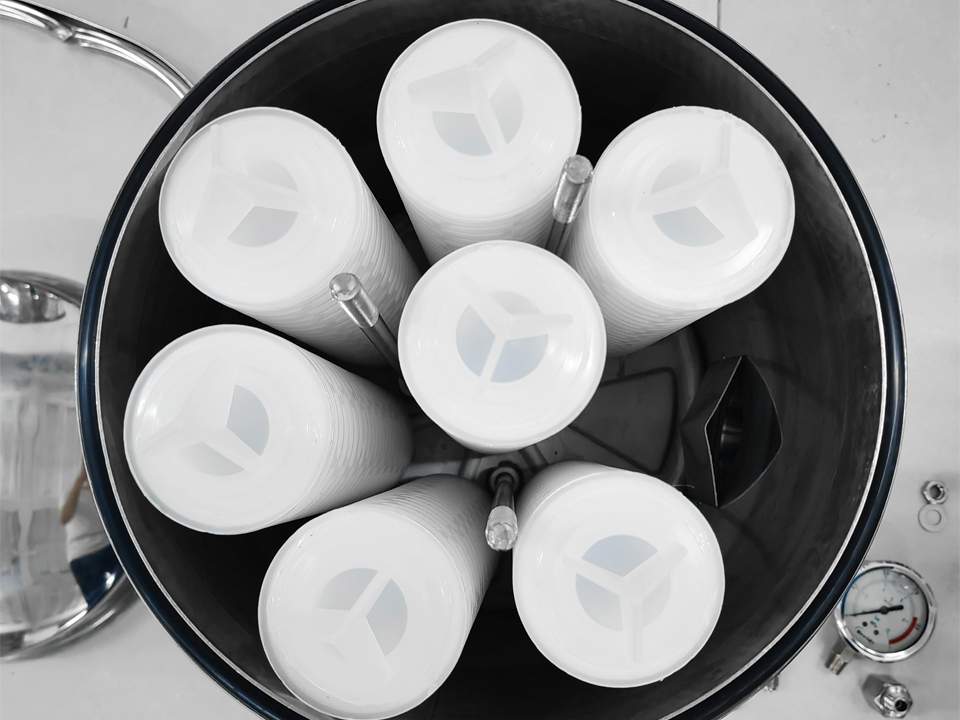
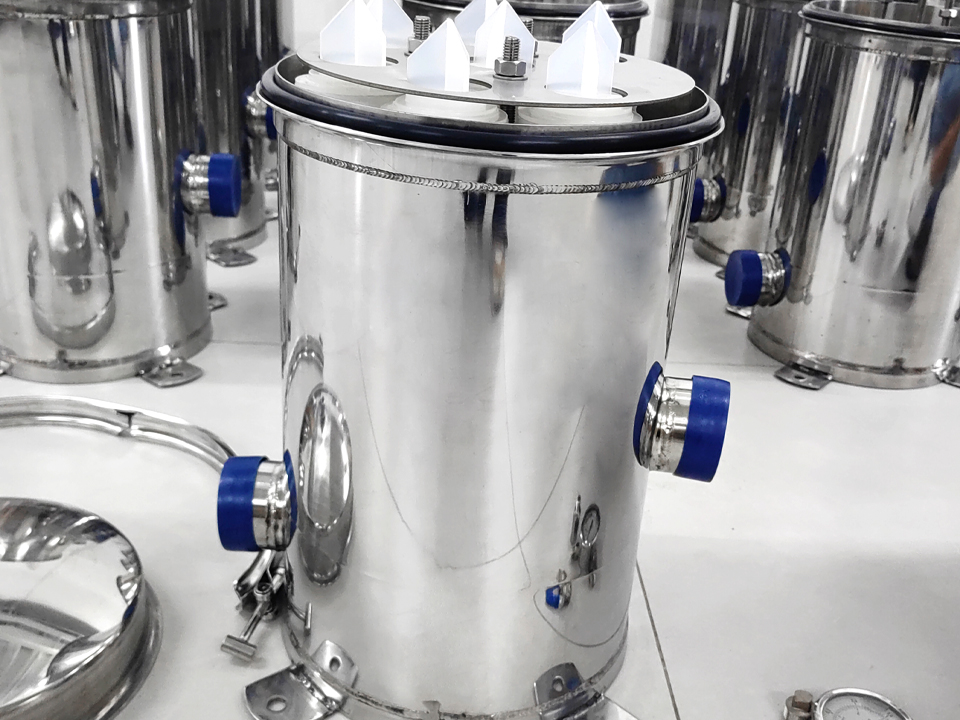
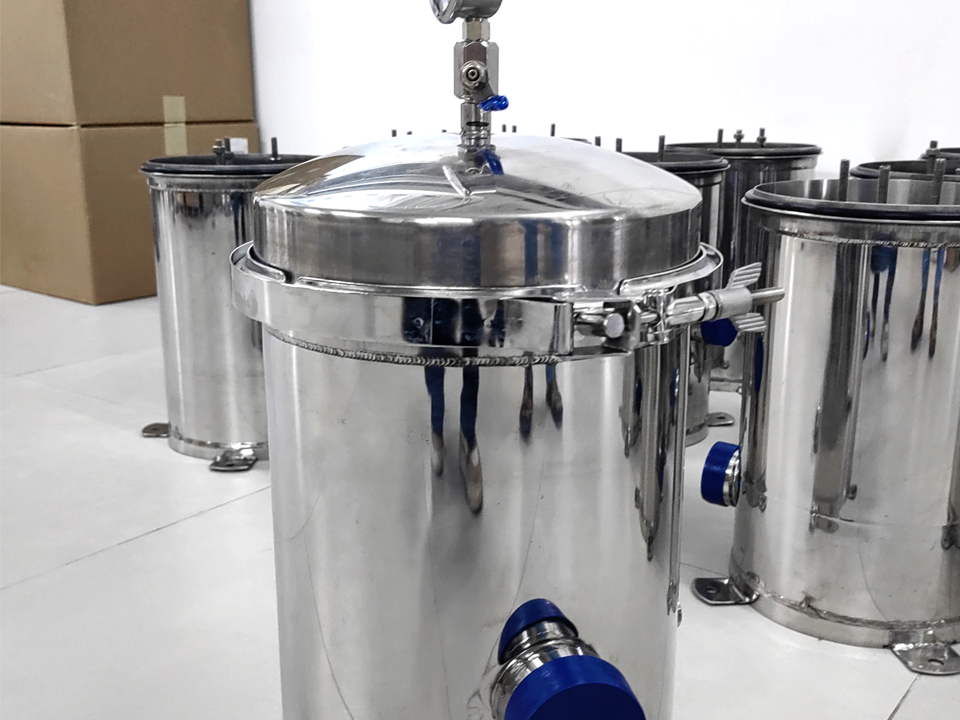
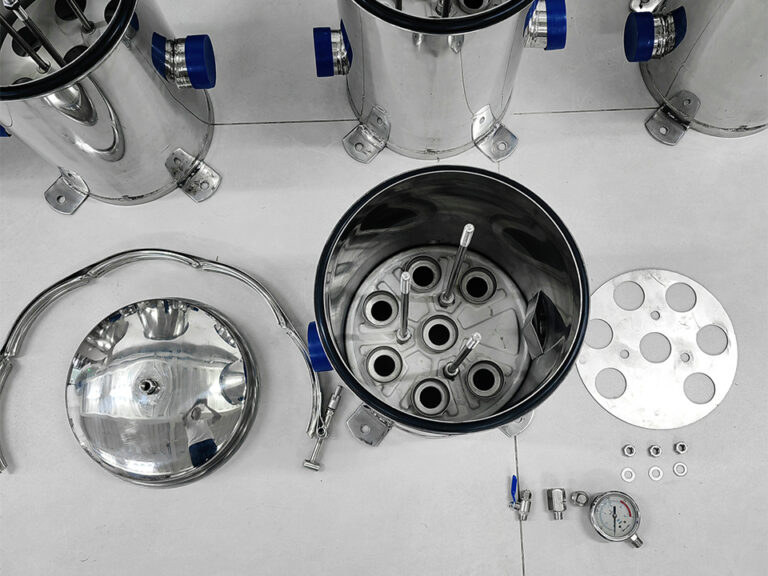
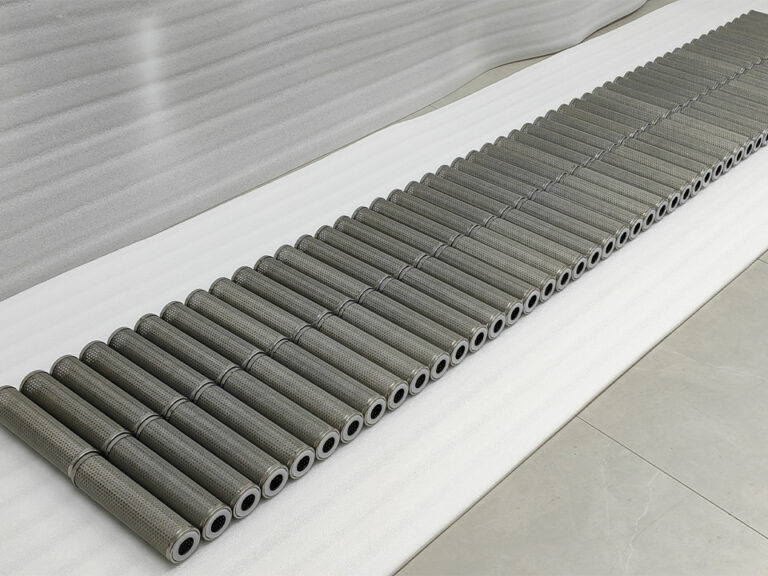
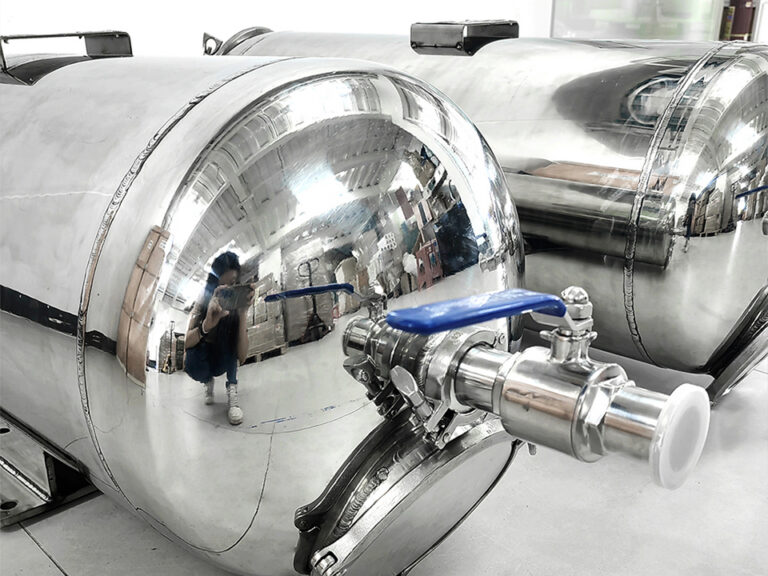
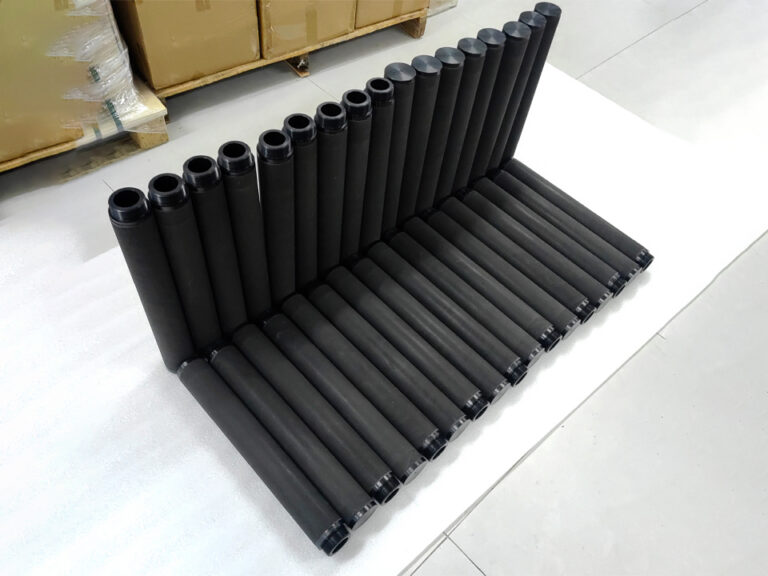
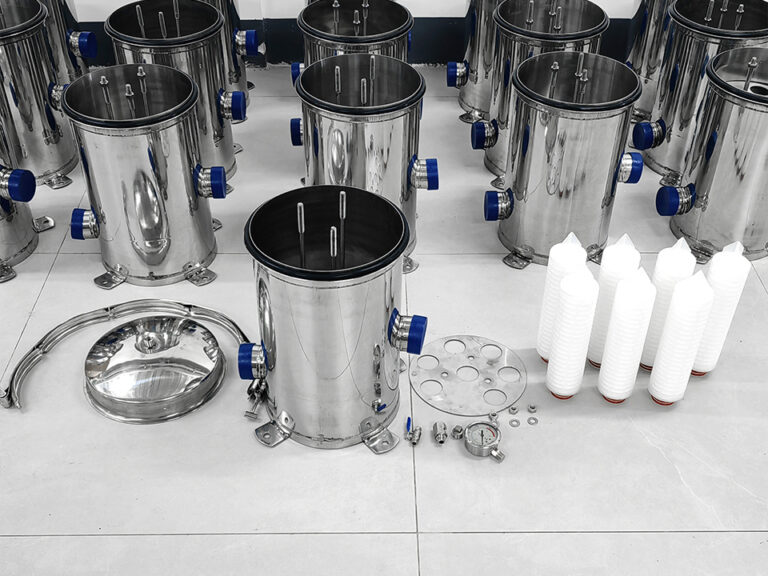
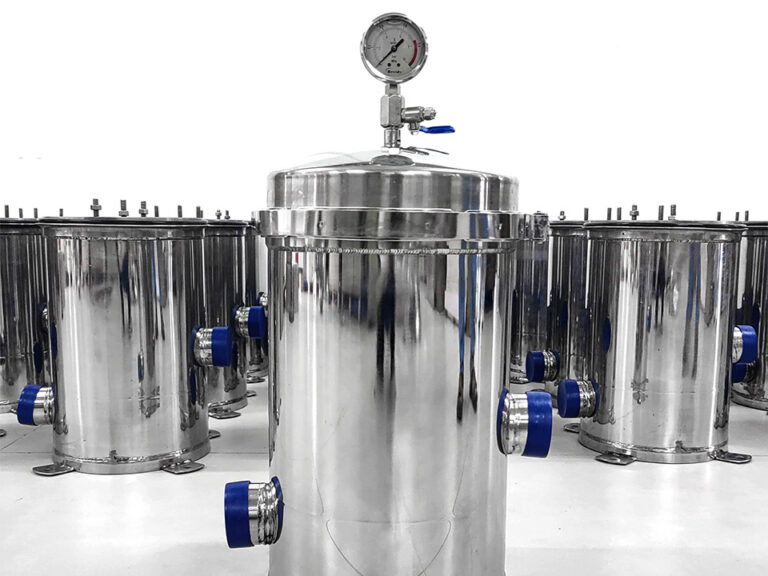
Компания Guangzhou Lvyuan Water Purification Equipment Co., Ltd. является производителем промышленных фильтров, основанная в 2009 году, которая разрабатывает и производит корпуса фильтров из нержавеющей стали, резервуары для стерильной воды из нержавеющей стали, фильтрующие элементы, фильтровальные мешки, ультраполимерные материалы и спеченные фильтрующие продукты. Покупатели выбирают Lvyuan за поддержку OEM/ODM, контроль качества ISO9001 и сертификацию в нескольких странах.
Компания Guangzhou Lvyuan Water Purification Equipment Co., Ltd.
Порядок затяжки хомутов V-Band на корпусах фильтров
V-образный зажим выглядит просто: одна лента, один болт, одна, казалось бы, операция. Но эта простота обманчива.
Крутящий момент является условным.
Зажим преобразует натяжение болта непосредственно в радиальное давление, а затем — в осевую удерживающую силу, поэтому даже незначительные изменения в геометрии фланца, трении резьбы, расположении прокладки, смазке, размере зажима или конструкции фиксатора могут существенно изменить нагрузку, действующую на корпус.
Так почему же группы по техническому обслуживанию по-прежнему копируют значения крутящего момента из не имеющих к делу инструментов?
Я бы наверняка отказался от любой инструкции по работе с корпусом фильтра, в которой просто сказано “надежно затяните”. Эта фраза не является техническим требованием. Это приглашение для одного техника сбросить давление, пока другой достает удлинительную рукоятку.
Правильная процедура затяжки V-образных хомутов основывается на трёх контрольных критериях: подтверждённое отсутствие напряжений, полное сцепление хомутов и соблюдение требований к затяжке, характерных для конкретного корпуса. Затяжка с определённым моментом наступает на более позднем этапе.
Суровая реальность: универсального значения момента затяжки зажимов V-образной ленты не существует
Муфта V-образного типа работает за счет заклинивания двух сопрягаемых фланцев. В руководстве по эксплуатации муфт Marman компании Eaton объясняется, что соотношение между натяжением ленты и осевым усилием на фланцы составляет 8,6:1, что демонстрирует, почему, казалось бы, незначительная регулировка гайки может привести к гораздо более значительному изменению в соединении.
Это воспроизведение силы действует в обоих направлениях.
Недостаточное усилие может привести к утечке, смещению уплотнения или нарушению герметичности соединения. Чрезмерное усилие может растянуть Т-образный болт, деформировать фиксатор, повредить фланец, выдавливать уплотнительное кольцо, привести к задиру резьбы из нержавеющей стали или привести к неправильной “затяжке” при установке, поскольку зажим фактически неисправен.
Опубликованное значение не подлежит непосредственному применению. Например, компания Eaton определяет, что корпус фильтра QIC-LOCK должен затягиваться вручную, а предельный крутящий момент должен составлять 200 Н·м только в том случае, если шестигранная гайка заменяет шестерню данного устройства. Это предельное значение, относящееся конкретно к данной модели, а не разрешение на применение момента затяжки 200 Н·м ко всем соединениям типа V-band.
Информации нет? Стоп.
Если в руководстве по эксплуатации корпуса, на заводской табличке, в утвержденной процедуре технического обслуживания или на чертеже хомута не указаны значения момента затяжки V-образного хомута, техническим специалистам не следует рассчитывать их самостоятельно, исходя только из размера хомута. Необходимо обратиться к производителю корпуса или к сертифицированному инженеру по оборудованию, работающему под давлением, для получения зарегистрированных значений или требований к затяжке.
Перед тем как прикоснуться к зажиму, убедитесь в полном отсутствии напряжения
Затяжка хомута корпуса фильтра начинается с отключения, а не с использования гаечного ключа.
Закройте и обеспечьте безопасность всех впускных отверстий, электрических розеток, линий обратной промывки, паропроводов, линий сжатого воздуха, азота, систем очистки на месте (CIP) и сливных линий, через которые может поступать энергия или вещество. Остановите насос. Примените процедуру блокировки и маркировки, действующую на объекте. Откройте вентиляционные и сливные трубы, затем убедитесь, что остаточное давление не может восстановиться из-за негерметичного запорного клапана, теплового расширения, повышенного давления в питающем резервуаре или заблокированного электрического разъема.
Анализ масштаба отсутствующих работ. Сам по себе он не является доказательством.
Устройство может быть изолировано, заблокировано, повреждено, неправильно отрегулировано или установлено в таком месте, где накопленное напряжение не видно. Следите за тем, чтобы вентиляционный канал оставался открытым, и убедитесь, что корпус опорожнен или иным образом находится в безопасном состоянии, определенном производителем.
В руководстве компании Pall по системе SUPRApak указано, что перед ослаблением стопорной гайки необходимо снять давление с участка, а перед созданием давления следует зафиксировать зажимной механизм. Кроме того, OSHA требует применения мер контроля опасной энергии на протяжении всего процесса технического обслуживания, чтобы предотвратить непреднамеренный запуск или высвобождение накопленной энергии.
И это вовсе не редкий случай из области нормативных мелочей. Контроль за небезопасными источниками энергии занял третье место среди наиболее часто упоминаемых федеральных стандартов OSHA в 2024 финансовом году.
Процедура затяжки хомута V-Band, подробное описание
1. Определить точные параметры закрытия
Запишите на диктофон следующую информацию: производителя корпуса фильтра, конструкцию, идентификационный номер, рабочее давление, тип замыкания, номер детали хомута, тип прокладки и размер болтов.
Уточните, используется ли при настройке:
Зажим с Т-образным болтом и V-образной лентой
Защелка с быстрым отсоединением
Сегментный зажим
Штифт с ручным приводом
Предохранительная блокировка, снижающая давление
Многочисленные защелки на крышке большого диаметра
Не следует полагать, что каждый кольцевой зажим является зажимом типа «Марман» или что каждый зажим типа «Марман» устанавливается точно таким же образом.
2. Проверить изоляцию и сброс давления
Выполните все предусмотренные процедуры блокировки и маркировки. Постепенно откройте вентиляционное отверстие, слейте жидкость из труб и корпуса и убедитесь в отсутствии остаточных жидкостей, газов, вакуума, тепла или химических веществ.
После этого подождите.
Вязкие жидкости, фильтрационный осадок, замерзший конденсат, остатки полимера и забитые вентиляционные отверстия могут задержать выравнивание давления. То, что корпус перестал шипеть, не означает, что он обязательно пуст.
3. Перед монтажом осмотрите зажим
Очистите зажим и осмотрите его при достаточном освещении. Отбракуйте его или поместите в карантин, если обнаружите:
Трещины в резинке или фиксаторе
Изогнутые или растянутые сегменты фиксатора
Сварные швы в поврежденной зоне
Деформированные цапфы
Растянутые Т-образные болты
Смятые или порванные нити
Сильное изнашивание или воздействие химических веществ
Задир на резьбе из нержавеющей стали
Удлиненное отверстие для замка
Доказательства того, что зажим действительно неоднократно выходил из строя
Внимательно осмотрите внутреннюю часть V-образного паза. Остатки материала именно в этом месте могут помешать фиксатору плотно прилечь к фланцу, даже если гайка затянута до требуемого момента затяжки.
4. Приведите в порядок и проверьте разъемные фланцы
Обе поверхности фланца должны быть чистыми, концентричными и не иметь вмятин, заусенцев, царапин, засохших остатков, фрагментов уплотнителя, брызг сварки и ржавчины.
Не пытайтесь затянуть заметно смещенную крышку на место с помощью зажима.
Такая практика встречается довольно часто. Кроме того, она является неправильной.
Перед тем как приложить значительное усилие зажима, крышка должна естественным образом укладываться на корпус, а прокладка должна быть правильно установлена. Если крышка качается, приподнимается с одной стороны или требует усилия для выравнивания, сначала необходимо выявить причину затруднения или механическую неисправность.
5. Проверьте совместимость прокладки и выявите проблему
Проверьте уплотнительный кольцо или прокладку с учетом стоимости продукции и технологических требований. Уплотнения из EPDM, FKM, силикона, PTFE, Buna-N/NBR, а также герметизированные уплотнения не являются совместимыми только потому, что их размеры кажутся схожими.
Проблемы химической совместимости. То же самое касается и температурного режима.
Замените прокладки, которые имеют порезы, деформации, воспаления, затвердевания, скручивания, следы химического воздействия или значительное растяжение. Не укладывайте прокладки в стопку. Не наносите на них герметик, если только поставщик явно не требует использования данного вещества.
6. Установите крышку и прокладку
Установите прокладку полностью в паз, не перекручивая её. Установите крышку ровно, защищая уплотнительную поверхность от повреждений.
Перед установкой хомута проведите чистым пальцем или утвержденным неметаллическим инструментом для проверки по всему доступному периметру. Убедитесь, что уплотнение по-прежнему плотно прилегает и что зазор между фланцами достаточно равномерный.
Расстегните зажим только в случае крайней необходимости. Установите V-образный профиль на оба соприкасающихся фланца и убедитесь, что фиксатор надежно удерживает их на 360 градусов.
Зафиксируйте Т-образный болт, гайку, защелку или штифт вручную. Оборудование должно запускаться без закручивания в неправильную резьбу или принудительной боковой нагрузки.
Осмотрите заднюю часть автомобиля.
Именно в таких случаях часто упускается из виду частичное взаимодействие, особенно на огромных объектах недвижимости, установленных в непосредственной близости от стен, трубных стоек или теплоизоляции. Если прямой обзор затруднен, воспользуйтесь зеркалом или камерой для оценки.
8. Медленно затяните зажим
Затяните зажим вручную до тех пор, пока он не зафиксируется на месте, но при этом сможет свободно перемещаться по фланцу.
После этого затягивайте с небольшими шагами. После каждого шага проверяйте окружность и устраняйте любые локальные выпуклости, сбивание сегментов, неравномерные зазоры или выскальзывание фланца.
Например, в технологии SUPRApak S компании Pall предусмотрено ручное затягивание бабочковой гайки V-band, повторная регулировка рукоятки затяжки примерно на один оборот, а затем чередование этих двух операций. Эта серия относится конкретно к её схеме натяжения, однако она иллюстрирует более общий принцип: зажимные детали следует затягивать постепенно, а не доводить до окончательного положения одним движением.
Если это допускается поставщиком, легкие удары по обхвату мягким молотком могут помочь фиксатору принять нужное положение при медленном затягивании гайки. В одном из руководств по техническому обслуживанию компании Pall четко запрещается использовать ударные гайковерты, гайковерты с приводом, винтоверты и другие высокоскоростные инструменты при монтаже V-образных обхватов.
9. Использовать зафиксированное значение последнего момента затяжки или критерий затяжки
Установите подходящую головку ровно на отрегулированный динамометрический ключ. Плавно затягивайте до достижения указанного момента затяжки.
Не зацепляйте гаечным ключом. Не подключайте удлинительную трубу. Не продолжайте тянуть после того, как устройство подаст сигнал.
Некоторые механизмы закрытия регулируются с помощью момента затяжки. Другие — за счет положения шпинделя, расположения защелки, зазора зажима, расстояния между сегментами, использования предохранительного штифта или комбинации этих параметров. Строго соблюдайте требования, предъявляемые к конкретному корпусу.
Смазке резьбы следует уделять особое внимание. При одинаковом рекомендуемом моменте затяжки смазанная и сухая резьба могут обеспечивать значительно различное усилие затяжки болта. Используйте только смазку, указанную в утвержденной процедуре, и ни в коем случае не наносите противозадирное средство только потому, что крепеж изготовлен из нержавеющей стали.
10. Провести полное обследование закрытия
Перед созданием давления необходимо проверить:
Зажим зажимает оба фланца по всей площади
Лента не натянута и не проходит над фланцем
Прокладка не видна за пределами места ее установки
Промежутки между разделами в целом сохраняют последовательность
T-образный болт прямой и надежно закреплен
В этом деле по-прежнему задействованы многочисленные стороны
Замок, фиксирующий штифт или устройство безопасности полностью зафиксированы
Соединения для вентиляции, слива, датчиков и технологических операций находятся в предусмотренных местах
В помещении не остаётся никаких устройств, салфеток, упаковок от товаров или отдельных деталей
Требуется оценка, проводимая независимым экспертом, для сосудов, работающих под высоким давлением, содержащих опасные жидкости, используемых в санитарных целях или имеющих большой диаметр. Лучше потратиться на «четыре глаза», чем столкнуться с поломкой закрывающего устройства.
11. Постепенно восстановите давление и проверьте, нет ли утечки
Персонал должен находиться за пределами потенциальной зоны обстрела. Медленно открывайте запорный клапан на входе, при этом вентиляционное отверстие должно быть расположено в соответствии с инструкциями производителя по запуску установки.
Не нажимайте на крышку слишком сильно.
Спустите воздух из вентиляционного отверстия по мере необходимости, а затем постепенно повышайте давление. При необходимости проведите осмотр с другого места. Первое испытание при низком давлении может выявить несоответствие прокладок или неполное соединение до того, как система достигнет полного рабочего давления.
Ни в коем случае не пытайтесь затягивать зажимы фильтра, пока сосуд находится под давлением. При появлении утечки необходимо отключить систему, сбросить давление, слить жидкость и выяснить причину.
12. Подать заявление о закрытии дела
Достоверная документация по техническому обслуживанию должна включать:
Идентификация жилья
Номера деталей фиксаторов и прокладок
Заданный и достигнутый крутящий момент
Распознавание динамометрического ключа
Статус калибровки или срок проведения
Проблема с резьбой и подходящее смазочное вещество
Должности и профессиональные звания
Дата и время
Нагрузка при испытании на герметичность и результаты
Фотографии мест окончательного зажима там, где это необходимо
Это не просто бумажная волокита ради самой волокиты. Она позволяет специалисту отличить типовую процедуру от эмпирического опыта.
Программа «Maker Instances»: почему копирование значений крутящего момента опасно
Зарегистрированная заявка
Опубликованы рекомендации по закрытию
Что это на самом деле подтверждает
Характеристики фильтра Eaton QIC-LOCK
При ручной затяжке; при замене шпиндельного колеса с помощью шестигранной гайки прилагаемый крутящий момент не должен превышать 200 Н ·
m Предел в 200 Н·м обусловлен так называемым запорным устройством, а не всеми зажимами V-band.
Фильтрующий блок Pall SUPRApak S
Затяните гайку-бабочку вручную, подкорректируйте затяжку примерно на один оборот, после чего повторяйте эти два действия поочередно
Некоторые зажимные хомуты для закрытия корпусов фильтров работают за счет скоординированного механического позиционирования, а не за счет одного конечного значения момента затяжки.
Мобильная установка для очистки жидкостей компании Pall
Затягивайте медленно с помощью трещотки с глубоким выходом; слегка постукивайте по этому участку молотком с мягкой головкой; не используйте высокооборотистые инструменты и не перетягивайте
Выбор устройства и циркуляция грунта являются частью процедуры монтажа зажима V-band.
Неизвестный элемент конструкции или замена хомута без документального подтверждения
Не указано подтвержденное значение
Прекратите работу и ознакомьтесь с требованиями производителя или разработайте индивидуальный подход. Догадки не являются методом технического обслуживания.
Лучший динамометрический ключ для затяжки V-Band Secures
Самый эффективный динамометрический ключ для V-образных хомутов — это не обязательно одна из самых дорогих цифровых моделей. Это инструмент, который точно подходит к корпусу, удобно фиксирует заданное значение, имеет подходящий вывод и позволяет контролировать усилие затяжки, не создавая бокового давления на крепеж.
Ключ с щелчковым механизмом обычно пригодится при регулярном техническом обслуживании. Электронный ключ может помочь в обеспечении отслеживаемости и фиксации комментариев оператора. Лучевой ключ может пригодиться для проверки, однако его показания бывает сложно считывать в помещениях с ограниченным пространством.
Самоконтроль при работе с инструментом важнее, чем брендинг.
Для окончательной регулировки затяжки используйте динамометрический ключ, за исключением случаев ослабления заклинившегося оборудования. Не допускайте использования карданных шарниров или длинных насадок, если это не предусмотрено утвержденной процедурой. Убедитесь, что головка полностью вставлена в гнездо и что близлежащие трубопроводы не заставляют применять ключ под наклоном.
Для небольших объектов недвижимости, в которых используется Пористые фильтрующие диски из UHMWPE или PVDF, доступ к нему может быть гораздо более ограниченным, чем в случае с огромной установкой с мешочным фильтром. В инструкции по техническому обслуживанию должны быть указаны тип гаечного ключа, размер привода, головка, настройки удлинителя и допустимый угол доступа, а не оставлять сервисным техникам возможность импровизировать.
О чём на самом деле свидетельствуют нынешние происшествия на производстве
Инцидент на предприятии Polycarbon Industries, произошедший 4 мая 2023 года, был связан с перегрузкой корпуса фильтра Нутше, а не с зарегистрированным отказом V-образного хомута. Это различие имеет значение. Однако последствия инцидента наглядно демонстрируют, к чему может привести сохранение давления внутри фильтрующих устройств: погиб один оператор, ущерб оценивается примерно в $48 миллионов, а предприятие было закрыто навсегда.
Урок заключается не в том, чтобы “затягивать каждый зажим покрепче”. Урок заключается в том, что целостность герметичности должна обеспечиваться в рамках более широкой системы, включающей оценку технологических рисков, контроль напряжений, механические осмотры, ограничения на эксплуатацию и строго регламентированный запуск.
Отдельный инцидент, произошедший 7 июня 2024 года на предприятии Honeywell в Гейсмаре, произошел, когда подрядчики открыли фланцевое соединение, которое, как считалось, было пустым, но в котором все же оставался фтористый водород. Выброс HF составил значительно менее одного дополнительного фунта, однако меры по обеспечению безопасности работника основывались на ложном предположении, что трубопровод был фактически демонтирован.
Необходимость доказать наличие стресса полностью отсутствует.
При этом проверка герметичности сосудов не может ограничиваться только зажимом. Цепочка событий, произошедшая на предприятии Dow в 2023 году, началась с того, что во время ремонтных работ внутри барабана рефлюкса были оставлены переносные рабочие фонари; позднее мусор стал одной из причин повреждения разрывного диска и привел к катастрофическому технологическому инциденту. В ходе расследования было установлено, что методы закрытия резервуара были ненадлежащими, в частности не было проверено, что резервуар был чистым и пустым перед запуском.
Горькая правда: даже полностью затянутый зажим может оставаться закрепленным на поврежденном сосуде.
Проблемы, связанные с зажимом V-Band, и реабилитационные мероприятия
Наблюдение
Вероятная причина
Правильное действие
Зазоры между зажимами сильно неравномерны
Дисбаланс, посторонние частицы в данной области, погнутый фиксатор или неправильное начальное положение
Сбросьте давление, снимите зажим, проверьте детали, установите крышку на место и смонтируйте устройство заново
Гайка затягивается до достижения заданного момента затяжки, прежде чем соединение будет полностью зафиксировано
Упор зажима, загрязненная резьба, несоответствующий зажим, поврежденный фланец или неверные требования к моменту затяжки
Прекратите работу; не увеличивайте крутящий момент. Проверьте номера деталей, геометрию, строки и данные производителя
Уплотнительное кольцо выпячивается за пределы фланца
Перекрученное уплотнение, неправильные размеры уплотнения, чрезмерная степень сжатия или дисбаланс фланца
Перед повторной сборкой замените уплотнение и осмотрите канавку и фланец
Во время испытаний под низким давлением возникают утечки
Изолировать и сбросить давление; демонтировать и определить дефект
T-образный болт изгибается при затяжке
Боковая нагрузка, неправильное расположение цапфы, заклинившие струны или чрезмерное усилие
Замените поврежденное оборудование и отрегулируйте его выравнивание
Гайка из нержавеющей стали внезапно затянулась
Задир резьбы или ненадлежащее состояние смазки
Прекратите работу до возникновения заклинивания; замените поврежденные детали и выполните указанную процедуру обработки резьбы
Зажим можно повернуть после окончательной затяжки
Несоответствующие партии, неправильный размер хомута, несовпадение фланцев или заклинивание хомута
Не создавайте давление; проверьте конструкцию всей заглушки
Оператору нужен ударный гайковерт, чтобы добраться до задвижки
Механическое воздействие, некачественная установка, поврежденные детали или несоответствующая процедура
Прекратите работу. Высокое давление лишь маскирует дефект, а не устраняет его
Часто задаваемые вопросы
Каковы рекомендуемые значения момента затяжки для зажимов V-образного типа?
Зажим V-образного типа следует затягивать строго в соответствии со значением, указанным в документации производителя, поскольку требуемый момент затяжки зависит от размера зажима, размера Т-образного болта, состояния троса, смазки, геометрии фланца, конструкции прокладки, материала и номинальной нагрузки; при отсутствии таких указаний безопаснее всего прекратить работу и обратиться за технической помощью.
Ни в коем случае не следует использовать значения момента затяжки, указанные в руководствах по другим фильтрам, автомобильным моделям, выхлопным системам или брошюрах по хомутам. Даже внешне схожие соединения могут отличаться углами затяжки, материалами винтов, конфигурацией фланцев и требованиями безопасности.
Правильная последовательность действий заключается в том, чтобы сначала установить крышку и прокладку, равномерно разместить хомут на обоих фланцах, вручную притянуть крепеж, перераспределить натяжение хомута по всей площади, а затем затягивать его небольшими контролируемыми шагами, следя за равномерностью затяжки, и завершить процесс при достижении указанного момента затяжки или значения затяжки.
V-образный фланец с одним защелкивающимся фиксатором не использует ту же схему перекрестной затяжки, что и фланец с несколькими болтами. Его “последовательная” затяжка осуществляется постепенно с одновременной многократной проверкой по окружности, если только производитель не предусмотрел несколько этапов затяжки или иной метод.
Можно ли прикасаться к зажиму V-band во время его затягивания?
Молоток с мягкой головкой можно использовать только в том случае, если это разрешено поставщиком корпуса или зажима; его назначение заключается в том, чтобы помочь ленте равномерно прилечь к фланцу при постепенной затяжке гайки; он не заменяет правильную установку, оценку состояния или контроль окончательного момента затяжки.
Ни в коем случае не ударяйте по зажиму стальным молотком. Сильные удары могут повредить ленту, вывести из строя фиксаторы, оставить следы на гигиенических поверхностях или создать видимость закрепления, хотя фланец останется смещенным.
Какой динамометрический ключ наиболее эффективен для зажимов V-band?
Лучший динамометрический ключ — это отрегулированный инструмент, рабочий диапазон которого удобно охватывает заданное значение, обеспечивающий правильное затягивание без использования переходников, которые затрудняют доступ, и подходящий для имеющегося пространства для маневра; подойдут как электронные, так и щелчковые инструменты, однако ударные отвертки и электроинструменты без регулировки крутящего момента следует исключить.
В процедуре технического обслуживания должны быть определены размер привода, разъем, схема удлинителя, требования к калибровке и допустимый максимальный крутящий момент. Указание “использовать динамометрический ключ” по-прежнему является недостаточным, если сервисные техники не знают, какая именно конфигурация была проверена.
Стоит ли затягивать протекающий хомут V-band под давлением?
Корпус фильтра с V-образным соединением, из которого происходит утечка, необходимо сначала сбросить давление, разобрать, слить жидкость из трубопроводов и провести диагностику, а не затягивать под давлением, поскольку утечка может свидетельствовать о скручивании уплотнительного кольца, повреждении прокладки, загрязнённой уплотняющей поверхности, деформированного фланца, неправильно установленной крышки, изношенного зажима или несоответствия техническим требованиям к затяжке, и ни одна из этих причин не может быть надёжно устранена путём применения дополнительного усилие.
Затягивание онлайн-затвора ставит технического специалиста непосредственно на пути выхода среды и приводит к переключению партий на устройства, которые в данный момент демонстрируют признаки неисправности. Утечку следует рассматривать как условие для остановки оборудования, если только утвержденная процедура производителя не предусматривает иного.
Можно ли повторно использовать зажим V-band?
V-образный хомут можно использовать повторно только в том случае, если производитель разрешает его повторное использование, а в ходе проверки подтверждается, что хомут, фиксаторы, защелка, цапфы, Т-образный болт, гайка, резьба, сварные швы и коррозионно-стойкие поверхности соответствуют установленным нормам, при этом не наблюдается растяжения, изломов, задира, деформации или признаков перегрузки.
Замените оборудование, вызывающее сомнения. Стоимость зажима, как правило, незначительна по сравнению с затратами, связанными с загрязнением производственного процесса, повреждением емкостей, прямым воздействием на персонал или внеплановой остановкой производства.
Создайте процедуру закрытия, которую операторы смогут обеспечить
Процедура затяжки зажимов в сфере недвижимости с использованием фильтра, исключающего риски, не должна оставлять места для неформальных подходов. Она должна учитывать особенности конкретного объекта недвижимости, конкретного зажима, точное уплотнение, точные требования к затяжке, утвержденные инструменты, метод изоляции, контрольные точки, методику испытаний и требования к документации.
Большее давление — это не контроль.
Перед следующей регулировкой картриджа или очисткой фильтра сравните текущую процедуру с описанными выше действиями. Замените формулировку “крепко затянуть” на измеримые критерии приемки, проверьте соответствие всех значений момента затяжки V-образных хомутов документации на оригинальное оборудование и проведите повторную оценку перед восстановлением нагрузки.
Свяжитесь с компанией LY Filter, чтобы обсудить фильтрующие материалы, совместимость с оборудованием, воздействие химических веществ и удобные в обслуживании конфигурации систем фильтрации для вашей технологии.