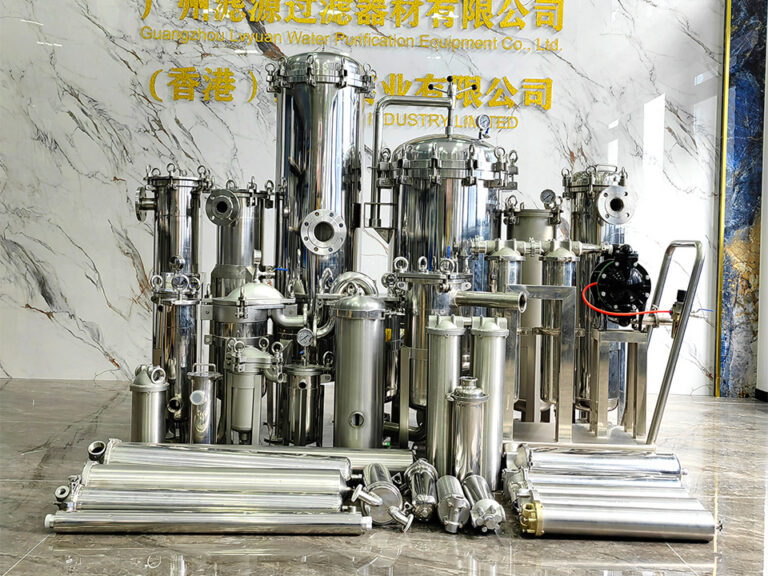
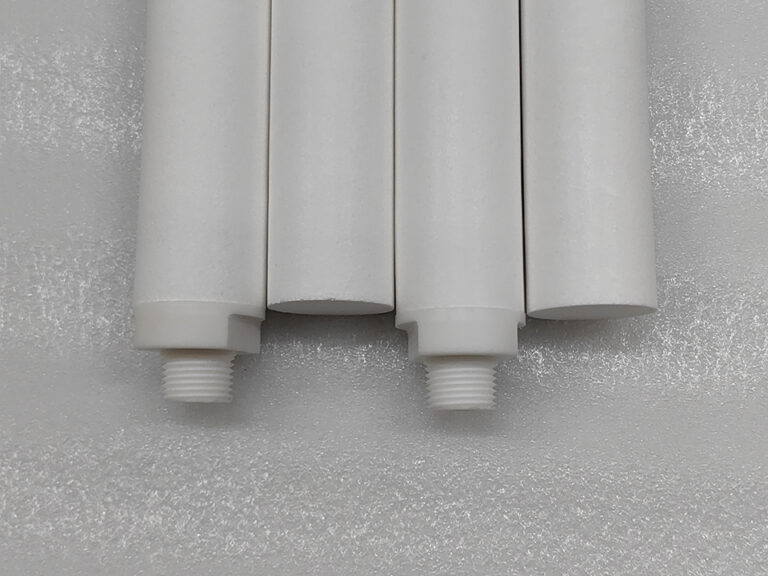
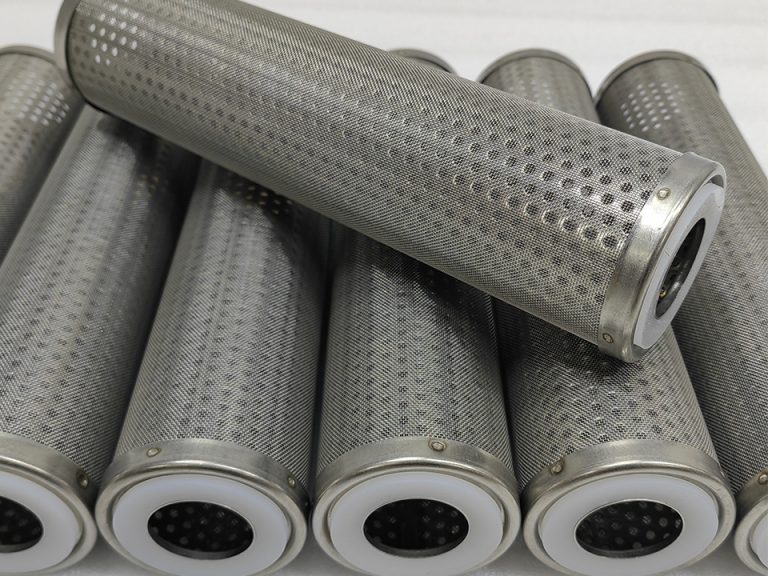
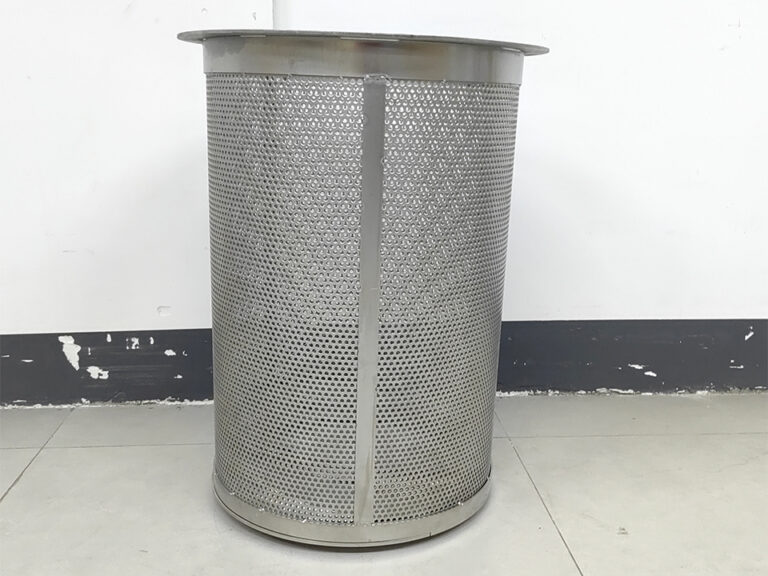
Компания Guangzhou Lvyuan Water Purification Equipment Co., Ltd. является производителем промышленных фильтров, основанная в 2009 году, которая разрабатывает и производит корпуса фильтров из нержавеющей стали, резервуары для стерильной воды из нержавеющей стали, фильтрующие элементы, фильтровальные мешки, ультраполимерные материалы и спеченные фильтрующие продукты. Покупатели выбирают Lvyuan за поддержку OEM/ODM, контроль качества ISO9001 и сертификацию в нескольких странах.
Компания Guangzhou Lvyuan Water Purification Equipment Co., Ltd.
Требования к классу шероховатости поверхности (Ra) для корпусов санитарных фильтров
Если в технических требованиях к корпусу фильтра не указаны граница контакта с продуктом, максимальное значение Ra, процесс полировки, обработка сварных швов, методика оценки и документы о приемке, то эти слова — не более чем маркетинговая риторика, приуроченная к нержавеющей стали.
Цифры вводят покупателей в заблуждение.
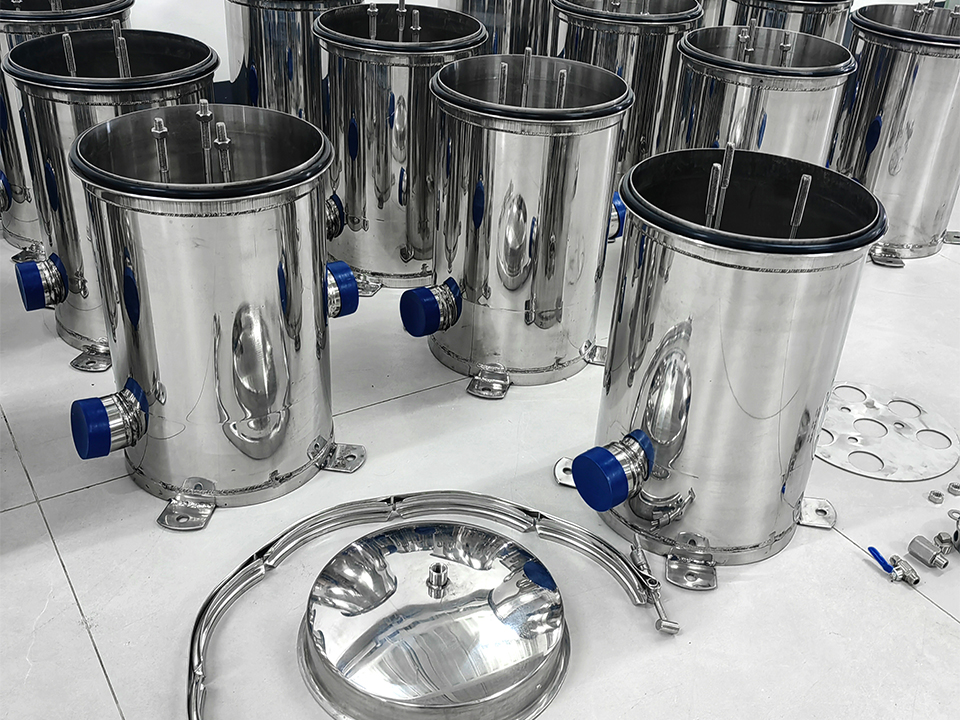
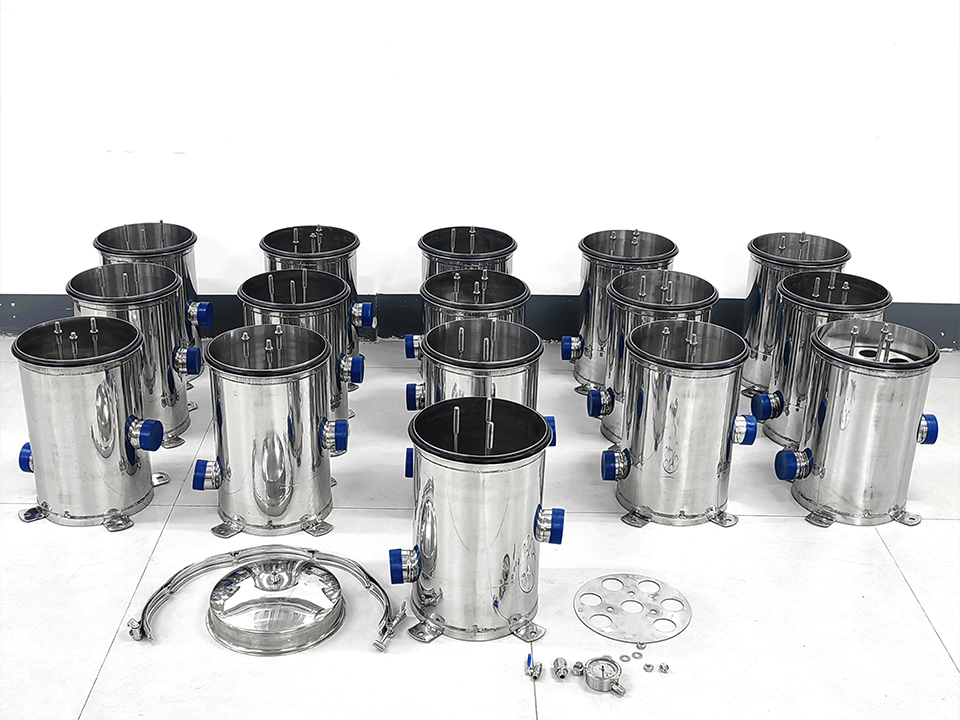
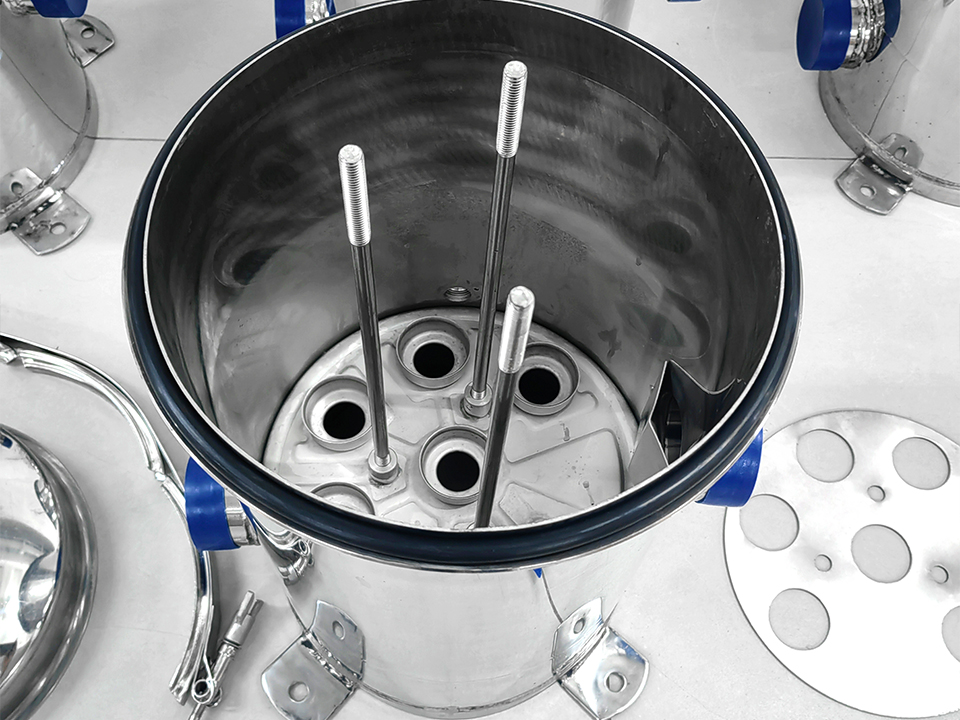
Дистрибьютор может рекламировать средство с интенсивным, зеркальным эффектом, при этом незаметно оценивая только легкодоступную поверхность, не принимая во внимание сварные швы, резьбовые отверстия для инструментов, соединения сливных труб, трубные доски, гнезда для картриджей и труднодоступные участки под крышкой — именно там, где часто скапливаются остатки.
Итак, какое покрытие поверхности Ra действительно необходимо для корпусов санитарных фильтров?
Для оказания базовых услуг по гигиеническому обслуживанию в сфере общественного питания и напитков, Ra ≤ 0,8 мкм, примерно 32 микродюйма, является общепринятым базовым показателем. В фармацевтической и биотехнологической отраслях, а также при производстве воды высокой чистоты или в условиях строго контролируемых процессов ферментации заказчики, как правило, ужесточают внутренние требования до Ra ≤ 0,5 мкм или Ra ≤ 0,4 мкм, часто с применением электрополировки.
Однако это лишь начало.
Что означает «Ра» в контексте гигиенического фильтра в сфере недвижимости
Ra, или средняя арифметическая шероховатость, обозначает среднее вертикальное отклонение участка поверхности от его средней линии на заданной длине измерения. Более низкие значения указывают на более гладкую измеряемую поверхность.
Преобразование выполняется очень просто:
0,8 мкм Ra = примерно 31,5 мкдюйма Ra
0,5 мкм Ra = примерно 19,7 мкдюймов Ra
0,4 мкм Ra = примерно 15,7 мкдюймов Ra
0,38 мкм Ra = примерно 15 микродюймов Ra
0,25 мкм Ra = примерно 9,8 мкдюймов Ra
Проблема заключается в том, что Ra сводит сложную площадь поверхности к одному числу.
Поверхность может пройти стандартный тест на шероховатость, несмотря на наличие на ней глубоких царапин, ямок, слоев, углублений в сварных швах, вкоренившейся шероховатости или некорректно сформированного перехода. В стандарте ASME B46.1 показатель Ra рассматривается как один из параметров текстуры поверхности в рамках более широкой системы измерений, которая также включает волнистость, направление, длину измерения и вопросы оценки.
Это различие имеет значение. Жилое помещение не становится гигиеничным только потому, что профилометр показал значение “0,38”.”
Практический совет: что указать — 0,8, 0,5 или 0,4 мкм Ra?
Мои правила работы просты и ясны: используется значение 0,8 мкм в качестве санитарного стандарта, 0,5 мкм — в качестве основного показателя высокой чистоты, а 0,4 мкм — в тех случаях, когда контроль загрязнения, валидация очистки или воздействие коррозии требуют дополнительного самоконтроля на этапе производства.
Приложение должно определить это число.
Уточнить заявку
Рекомендуемое оптимальное значение внутреннего Ra
Приблизительное значение в микродюймах
Стандартная терапия с использованием площади поверхности
Параметры покупки
Общая предварительная фильтрация промышленной воды
Молоко, переработка, ферментация и производство деликатных напитков
≤ 0,5–0,8 мкм
≤ 20–32 µin
Мелкий механический блеск; EP — по желанию
Выбирайте с учетом характеристик почвы и химического состава CIP
Нестерильная фармацевтическая переработка
≤ 0,5 мкм
≤ 20 мк. дюймов
Механическая полировка или электрополировка
В ходе валидации очистки следует контролировать выбор
Биотехнологии, стерильная очистка, вода для инъекций (WFI) и контактные поверхности, подвергающиеся высокочистотной обработке
≤ 0,4 мкм
≤ 15,7 мк. дюймов
Механическая обработка поверхности с последующей электрополировкой
Технические характеристики, обеспечивающие высокую чистоту
Превосходное обслуживание на высшем уровне
≤ 0,25 мкм
≤ 10 мк. дюймов
Специализированные процедуры осветления и проверки
Использовать только в том случае, если угроза процедуры поддерживает цену
Данная таблица представляет собой руководство по принятию решений в сфере закупок и не заменяет собой действующую редакцию стандарта ASME BPE «Санитарные требования 3-A», технические требования заказчика или утвержденную программу очистки.
Стандарт 3-A для оборудования, предназначенного для контакта с пищевыми продуктами, устанавливает максимальную шероховатость поверхности, контактирующей с продуктом, на уровне 32 µin Ra, или около 0,8 мкм, при этом также требуя создания прочной, не имеющей щелей и поддающейся очистке конструкции.
Интересно, что организация «3-A» также проанализировала результаты исследований молочных продуктов, которые указывают на то, что 20 микродюймов по Ra или лучше для уменьшения образования пленки и повышения гигиенической чистоты. Это не означает, что значение 20 µin является универсальным нормативным требованием, но указывает на неоспоримый факт: простое соблюдение стандартного предельного значения в 32 µin может оказаться не самым оптимальным конструктивным решением для каждого конкретного типа загрязнения, микроорганизма, температуры и цикла очистки.
Требования к корпусам гигиенических фильтров не предусматривают единого универсального номера
Клиенты часто спрашивают, является ли корпус “одобренным FDA”, “аккредитованным ASME” или “соответствующим стандарту 3-A”, как будто эти термины взаимозаменяемы.
Это не так.
Санитарные нормы 3-A
В отношении оборудования для пищевых продуктов, молочных продуктов и напитков принципы 3-A предусматривают наличие гладких поверхностей, контактирующих с продуктом, легко очищаемых соединений, герметичной конструкции, обеспечивающей защиту от проникновения бактерий, возможности слива, безопасности изделий и устойчивости к износу.
Знакомые Оптимальное значение Ra — 32 µin таким образом, является частью более широкой системы гигиенического проектирования. Даже идеально отполированный корпус с не имеющим слива отводом, открытой резьбой, неровным сварным швом или недоступным гнездом картриджа может стать причиной нарушения гигиенических требований.
ASME BPE
Стандарт ASME BPE регулирует вопросы, связанные с оборудованием для биотехнологических процессов, путем определения требований и рекомендаций, касающихся материалов, площадей поверхностей, контактирующих с технологическим процессом, возможности очистки, стерильности, конструкции, подключения, испытаний, проверки, систем давления и сертификации.
Именно в этом многие отделы закупок допускают ошибку. Они указывают “отделка по стандарту ASME BPE”, не уточнив:
Соответствующая версия
Обозначение вида поверхности
Независимо от того, подвергается ли поверхность механической полировке или электрополировке
Максимальное значение Ra
Требования к приемке сварных швов
Страховое покрытие в случае проверки
Требование представления отчетов и обеспечения прослеживаемости
“Отделка BPE” выполнена не полностью. С точки зрения требований к закупке я бы, безусловно, отклонил её.
Действующие правила надлежащей производственной практики FDA
Правила FDA, как правило, сосредоточены на конечных результатах: оборудование должно изготавливаться, очищаться, обслуживаться, дезинфицироваться или обеззараживаться надлежащим образом для предотвращения загрязнения и нарушений качества продукции. В соответствии с положением 21 CFR 211.67 производители обязаны разработать и соблюдать надлежащие процедуры очистки и технического обслуживания оборудования.
FDA не спасает несостоятельный заказ на поставку, подбирая для покупателя подходящее значение Ra. Производитель должен предоставить документацию по конструкции устройств, состоянию поверхности, химическому составу чистящих средств, рискам, связанным с процедурой, а также подтверждающие документы по валидации.
Последние новости программы FDA “Situations”: почему формулировка «удобная в очистке» — это не просто рекламная фраза
Документы по принудительному исполнению оказываются более полезными, чем заявления о страховых выплатах, изложенные в брошюрах, поскольку они показывают, в чем заключаются недостатки реальных центров.
В предупредительном письме от 20 июня 2024 года, направленном компании Optikem International, Управление по контролю за продуктами и лекарствами (FDA) сообщило, что в чистой комнате отсутствовали поверхности, удобные для очистки, а также выявило нарушения, связанные с санитарной обработкой оборудования, контактирующего с продукцией, и проверкой процедур очистки и стерилизации фильтров. Конструкция поверхностей, контроль фильтрации и асептическая техника рассматривались как взаимосвязанные вопросы, а не как отдельные пункты документации.
Далее следует информационное письмо компании «Sunlight Drug Industries», опубликованное 18 июня 2024 года. Инспекторы FDA отметили, что примерно 450 мл неподвижной жидкости внутри неспециализированных производственных устройств; в ходе последующего анализа методом ЖХ-МС было выявлено бесчисленное количество неизвестных пиков. Именно об этом открытии должны помнить группы по закупкам, когда кто-то утверждает, что возможность слива и геометрия внутренних поверхностей, позволяющая их очистку, являются “дополнительными функциями”.”
Предупредительное письмо, направленное в 2023 году компании «Cooperstown Cheese Business», сформулировано ещё более прямолинейно. FDA сообщило о наличии неровных, шероховатых участков поверхности пола, а пробы окружающей среды, отобранные в двух затронутых участках, дали положительный результат на Listeria monocytogenes. Эти поверхности не были объектами недвижимости, но принцип гигиены легко применим: в углублениях скапливается влага и грязь, а микроорганизмам все равно, где именно появится дефект — на полу, сварном шве, корпусе клапана или тарелке для недвижимости.
Из этого можно извлечь неприятный урок. Дефекты поверхности становятся угрозой для технологического процесса задолго до того, как они приводят к явным отказам.
Почему электрополировка не является альтернативой качественному производству
Электрополировка позволяет удалить с поверхности нержавеющей стали контролируемый микроскопический слой с помощью электрохимического процесса. При правильном выполнении эта операция позволяет минимизировать мелкие неровности, удалить свободное железо, улучшить пассивацию, устранить термический оттенок и повысить коррозионную стойкость.
Стандарт ASTM B912 посвящен, в частности, пассивации нержавеющих сталей посредством электрополировки и отмечает, что удаление избыточного железа и сглаживание поверхности могут повысить коррозионную стойкость.
Однако электрополировка не может спасти всё подряд.
Это, безусловно, не обеспечит надёжную корректировку:
Глубокие шлифовальные канавки
Подрез сварного шва
Отсутствие сращения
Щели за арматурой
Неправильно соединенные сварные швы, выполненные с помощью орбитальной или ручной сварки
Резкие изменения в контакте с продуктом
Неправильная геометрия водосточной трубы
Искажения вокруг пластин картриджа
Закупорочка, возникшая при производстве, скрытая под сгибом
Некачественный сварной шов, даже если он был подвергнут электрополировке, по-прежнему остается некачественным. Просто на фотографиях он может выглядеть более аккуратным.
При этом внешний вид может вводить в заблуждение. Полученная механическим способом “зеркальная поверхность” может прекрасно отражать свет, сохраняя при этом направленные канавки, остатки полировального состава или неравномерную шероховатость. В то же время поверхность, прошедшая качественную электрополировку, может выглядеть несколько матовой или мутной, но при этом демонстрировать гораздо лучшую стойкость к износу.
Укажите конкретные проблемы, которые можно измерить. Не прилагательные.
Почему нержавеющая сталь марки 316L обычно является оптимальным выбором для начала
В данном документе указано множество первоклассных объектов недвижимости, оснащенных санитарными фильтрами, Нержавеющая сталь AISI 316L, в частности для систем, используемых в фармацевтической и биотехнологической отраслях, а также в производстве воды высокой чистоты, молочных продуктов, напитков и систем, проходящих химическую очистку.
Буква “L” обозначает низкоуглеродный контент веб-сайта, который, как правило, ограничивается 0,031 TP3T с оптимальным содержанием углерода, что способствует снижению сенсибилизации и риска межкристаллитного разрушения в зонах сварных швов, подвергшихся термическому воздействию.
По сравнению с нержавеющей сталью марки 304, сталь марки 316L содержит молибден, что повышает ее устойчивость к контактной и щелевой коррозии во многих хлоридсодержащих средах. Однако это не делает сталь марки 316L абсолютно неуязвимой. Её по-прежнему могут повредить горячие хлоридные растворы, соляная кислота, застоявшиеся химические остатки, избыток свободного хлора и плохо контролируемые циклы очистки.
Выбор материала и обработку поверхности следует рассматривать в комплексе.
Поверхность с шероховатостью 0,4 мкм по Ra, выполненная на неподходящем сплаве, не является хорошим инженерным решением. То же самое можно сказать и о покрытии из стали 316L, имеющем неровные сварные швы, загрязнения углеродистой сталью, недокументированную пассивацию или эластомеры, несовместимые с NaOH, HNO₅, переуксусной кислотой, насыщенным паром или технологическими растворителями.
Скрытые места, где корпуса санитарных фильтров не проходят проверку
Простая поверхность редко является проблемой.
Стенка корпуса обеспечивает пространство для механической обработки и доступ для профилометра. Наиболее сложные участки — это места, где изменяется геометрия, сходятся сварные швы, уплотняются компоненты картриджа или приборы входят в зону давления.
Я бы обязательно указал на карте экзамена следующие места:
Сварные швы и зоны термического влияния
Внутренние сварные швы должны быть полностью проварены в необходимых местах, не иметь трещин и недопустимых окрашиваний, а также быть однородными, не вызывая опасений и не приводя к истончению стенки.
Анализ толщины стенки, равной 0,32 мкм, не имеет большого значения, если толщина соседнего сварного шва составляет 0,9 мкм или имеется подрез.
Седла картриджей и трубные доски
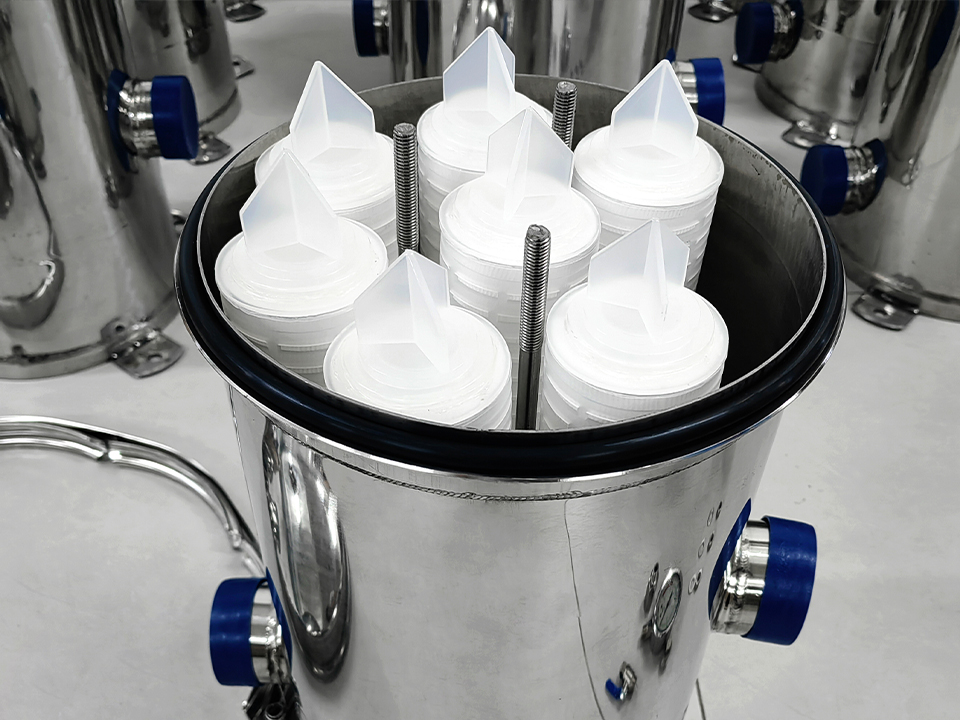
В выпускных отверстиях картриджей, переходных муфтах, отверстиях трубной решетки, соединительных стержнях и уплотнительных площадках могут скапливаться посторонние предметы или остатки чистящих средств. От этих участков также зависит, обеспечивают ли надлежащее уплотнение картриджи типа DOE, 222, 226, ребристые, плоские или другие.
Для борьбы с наносами в верхней части трубопровода размеры картриджа и конфигурация его концов должны соответствовать конструкции корпуса. Система, в которой используется Фильтрующие картриджи из полипропилена длиной 10, 20, 30 или 40 дюймов При выборе следует учитывать допуски на размер картриджа, геометрию адаптера, материал прокладки и ограничения по перепаду давления, а не руководствоваться исключительно небольшой длиной.
Сливные трубы и подключения вентиляционных отверстий
Корпус может иметь отполированную внутреннюю поверхность и при этом сохранять жидкость под электрической розеткой или внутри неправильно ориентированного вентиляционного отвода. Возможность слива жидкости следует проверить в установленном рабочем положении, а не на изолированном CAD-изображении.
Бассейны не работают.
Порты для инструментов
Порты, пробники, отводы датчиков давления и термокарманы всегда являются потенциальными местами образования мертвых зон. Резьбовые соединения не должны контактировать с продуктом в условиях гигиенического режима, за исключением случаев, когда это специально разрешено конструкцией и технологическими требованиями.
Соединения с заглушками и прокладками
Соединения типа «Tri-clamp», «V-band», с поворотным болтом и стандартного типа имеют свои особенности в плане очистки, давления и безопасности оператора, которые необходимо учитывать. Вдавливание прокладки, её отступление, чрезмерное сжатие и неровности поверхности могут привести к образованию узких зон уплотнения, о которых не будет указано ни в одном сертификате Ra.
Вопросы площади поверхности и выбора картриджа необходимо рассматривать как единую систему
Покрытие поверхности определяет степень очищаемости объекта недвижимости. Картридж обеспечивает удержание частиц, гидравлическое сопротивление, химическую совместимость, а также — в некоторых случаях — удержание микроорганизмов.
Сложность этих обязанностей приводит к нечетким техническим требованиям.
A Электрополированный корпус с шероховатостью поверхности 0,4 мкм Ra не обеспечивает чистоту и стерильность небольшого картриджа для улавливания частиц размером 10 мкм. А установка стерильного мембранного слоя с абсолютной степенью очистки в неблагоприятных условиях, где отсутствует дренаж, не позволяет создать надежную стерильную систему фильтрации.
Для предварительной очистки методом обратного осмоса и общих задач по обработке воды используется а 40-дюймовый картридж из полипропилена и схема размещения для предварительной фильтрации с обратным осмосом может быть подходящим для очистки участков с мусором перед укладкой мембранных слоев. Однако устройство предварительной фильтрации обратного осмоса не следует сразу же классифицировать как фармацевтическое санитарное оборудование, если его материалы, сварные швы, поверхностная обработка, прокладки, возможность слива, показатели прочности, метод очистки и сопроводительная документация не подтверждают такое утверждение.
Точно такое же различие относится к Очистка фильтра для воды с помощью картриджа из полипропилена для улавливания осадка. Прозрачность может помочь водителям заметить пятна или значительные загрязнения, однако прозрачные конструкции для жилых или коммерческих объектов, как правило, относятся к иной категории риска, чем гигиенические конструкции из нержавеющей стали марки 316L, предназначенные для CIP, SIP, циклического давления и сертифицированного производства.
Для гидротерапии с высокой концентрацией твердых веществ, а картридж для мусора из полипропилена большого диаметра может снизить частоту замены за счет более высокой грязеудерживающей способности. Это преимущество ставит под сомнение экономическую целесообразность системы очистки; оно не влияет на требования к поверхности, контактирующей с продуктом, в прилегающем корпусе.
Как составить обоснованную спецификацию по площади поверхности Ra
Требования к профессиональному подбору персонала должны больше напоминать инструкцию по проведению экзамена, чем рекламное или маркетинговое предложение.
Вот минимальная структура, которую я рекомендую:
Все металлические поверхности, контактирующие с продуктом, должны быть изготовлены из нержавеющей стали AISI 316L и иметь шероховатость поверхности Ra ≤ 0,5 мкм, если не оговорено иное. Внутренние поверхности должны быть подвергнуты механической полировке, а после завершения монтажа и сварки — электрополировке, если это предусмотрено техническими требованиями. Шероховатость поверхности проверяется после завершения последнего этапа обработки с использованием откалиброванных инструментов и согласованных критериев измерения.
После этого укажите следующие данные:
Граница, соприкасающаяся с продуктом: Включают в себя корпус, головку, пластину патрона, переходники, сливные трубы, вентиляционные отверстия, пазы, заглушки, сварные швы и любые крепежные детали, контактирующие с жидкостью.
Оптимальное значение Ra: Следует использовать термин “оптимальный”, а не “обычный целевой показатель”. Поставщику не должно быть разрешено усреднять результаты анализов, соответствующих и несоответствующих требованиям.
Обработка поверхности: Укажите метод механической обработки поверхности: механическую очистку, электрополировку, пассивацию, травление или необходимую последовательность операций.
Проблема со сваркой: Укажите пределы проникновения, перемешивания и окрашивания, метод оценки, а также необходимо ли, чтобы сварные швы соответствовали точно таким же значениям Ra, как и основной материал.
Стандартные размеры: См. соответствующую версию стандарта ASME B46.1, ISO 21920 или утвержденные для данного проекта аналогичные требования. В стандарте ISO 21920 показатели текстуры поверхности, термины, критерии и определяющие факторы требований распределены по разным разделам, что еще раз подтверждает, почему использование одного лишь значения Ra является недостаточным подходом к оценке.
План тестирования: Укажите, сколько измерений необходимо провести и где их следует проводить.
Правила приема: Уточните, приводит ли одно превышение предельного значения к отбраковке, необходимости повторной обработки в данном регионе или к более тщательной проверке.
Документы: Требуется указать отслеживаемые показания, информацию о приборе, состояние калибровки, карту зоны, оператора, дату и состояние после окончательной обработки.
Какие документы должны прилагаться к корпусу фильтра с электрополированной поверхностью?
План по обеспечению надлежащего санитарного состояния объекта недвижимости должен представлять собой нечто большее, чем однострочное подтверждение соответствия.
Запрос на:
Протоколы испытаний материалов для деталей, контактирующих с продуктом
Документы, подтверждающие прослеживаемость продукции из стали марки 316L или содержащие данные о термической партии
Общий вид и иллюстрации, показывающие взаимодействие с продуктом
Карта сварки
Сертификаты сварщика и сертификаты на право применения методов сварки (при необходимости)
Записи с помощью бороскопа для труднодоступных сварных швов
Отчет об оценке шероховатости поверхности
Документ по идентификации и калибровке профилометра
Сертификация электрополировки
Сертификация пассивации
Отчет о гидравлических испытаниях
Сертификация эластомеров и отслеживаемость партий
Возможность слива или защита от задержки жидкости, если это необходимо
Рекомендации по чистке и техническому обслуживанию
Соответствие требованиям стандартов ASME BPE, 3-A, PED, CE или нормам по оборудованию, работающему под давлением
Сертификаты тоже не волшебные. Убедитесь, что указанные участки соответствуют тому корпусу с конкретным серийным номером, испытания которого были проведены после последних этапов полировки, сварки, ремонта, пассивации и электрополировки.
Или же в документах может идти речь о территории, которой уже не существует.
Часто задаваемые вопросы
Какое покрытие поверхности Ra требуется для корпусов гигиенических фильтров?
Одним из наиболее обоснованных стандартных требований к корпусу гигиенического фильтра является внутреннее покрытие, контактирующее с продуктом, с шероховатостью Ra ≤ 0,8 мкм для общего гигиенического применения при производстве пищевых продуктов или напитков, которое ужесточается до ≤ 0,5 мкм или ≤ 0,4 мкм, если технологический процесс, критерии очистки, контроль биологической загрязнённости или требования заказчика предписывают использование поверхности более высокой чистоты.
Правильное предельное значение зависит от требований к регулированию, степени загрязнения продукции, температуры, состава чистящих средств, микробиологической опасности, а также от того, требуется ли в системе проводить CIP или SIP. Не следует соглашаться на “санитарную полировку” без установления математического предельного значения и метода оценки.
Всегда ли корпус фильтра, подвергшийся электрополировке, лучше, чем корпус, отполированный механическим способом?
Корпус фильтра, подвергнутый электрополировке, как правило, отличается улучшенной пассивацией, уменьшенной высотой микроскопических неровностей, более низким уровнем загрязнения свободным железом и более высокой устойчивостью к коррозии, однако он не становится автоматически значительно более гигиеничным, если сварные швы, сливные трубы, патрубки, места соприкосновения прокладок или гнезда картриджей содержат дефекты, которые невозможно устранить с помощью электрохимической обработки.
Электрополировка должна осуществляться с соблюдением требований к качеству изготовления и контролируемой механической подготовки поверхности. Необходимо четко определить конечное значение Ra, последовательность операций обработки, критерии приемки и сопроводительную документацию, а не ограничиваться лишь формулировкой “электрополированный”.”
Требуется ли использование нержавеющей стали марки 316L для изготовления гигиенических фильтрующих элементов?
Нержавеющая сталь марки 316L является стандартным материалом для изготовления гигиенических корпусов фильтров высокой чистоты, поскольку низкое содержание углерода обеспечивает надежность сварных соединений, а содержание молибдена обеспечивает более высокую стойкость к различным видам контактной и щелевой коррозии по сравнению со сталью марки 304, хотя в действующих технологических спецификациях могут допускаться и другие сплавы.
При выборе материала необходимо учитывать содержание хлоридов, температурный режим, моющие средства, давление, совместимость с обрабатываемыми материалами и предполагаемый срок службы. В случаях, когда сталь марки 316L не обладает достаточной химической стойкостью, целесообразно использовать Hastelloy, двойную нержавеющую сталь или другие сплавы.
Как именно следует измерять значение Ra на корпусе санитарного фильтра?
Значение Ra необходимо определять после завершения строительства и обработки поверхности с помощью откалиброванного профилометра с учетом согласованных требований к текстуре поверхности, длины отбора проб, порогового значения, инструкций по измерению, критериев приемки и плана работ, охватывающего как ровные поверхности, так и сложные участки, такие как сварные швы, гнезда патронов, сливные отверстия, порты и переходы.
Однократное измерение, проведенное в наиболее удобном месте на оболочке, является недостаточным доказательством. Покупатели должны запрашивать многократные отслеживаемые измерения и уточнять, распространяются ли технические требования на каждую оцениваемую область или относятся к стратегии аналитической дегустации.
Можно ли устанавливать полипропиленовые картриджи в санитарный корпус фильтра из нержавеющей стали?
Полипропиленовые картриджи можно устанавливать в корпус санитарного фильтра из нержавеющей стали, если их размеры, конструкция торцевых крышек, материал уплотнений, температурный диапазон, допустимый перепад давления, химическая совместимость, профиль экстрагируемых веществ, требования к микробиологической безопасности и требуемая степень фильтрации соответствуют как конструкции корпуса, так и валидированной технологической схеме.
Значение Ra корпуса не является подтверждением соответствия картриджа. При использовании в контролируемых условиях необходимо проверить возможность отслеживания партии картриджа, наличие документации, подтверждающей пригодность для контакта с пищевыми продуктами или применения в фармацевтической промышленности, требования к проверке целостности, а также уточнить, является ли указанный размер в микронах номинальным или фактическим.
Укажите поверхность, которая вам действительно нужна
Наилучшая цена за квадратный фут для объектов недвижимости с санитарными фильтрами не всегда соответствует самой низкой цифре, которую поставщик может указать в коммерческом предложении.
Для многих систем подачи продуктов питания и напитков, Ra ≤ 0,8 мкм является обоснованным стандартом. Для фармацевтических и биотехнологических растворов высокой чистоты, Ra ≤ 0,5 мкм или ≤ 0,4 мкм, как правило, прошедший электрополировку, обладает более высокими техническими характеристиками.
Однако нанесение покрытия на поверхность — это лишь один из способов контроля.
Качество материала, качество сварных швов, способность к сливу, герметичность картриджа, расположение прокладок, коррозионная стойкость, химический состав чистящих средств, подход к определению размеров и необходимая документация должны способствовать достижению одной и той же санитарной цели.
При запросе предложения на корпус фильтра укажите рабочую жидкость, рабочую температуру, чистящие химикаты, нагрузку, тип картриджа, требуемую степень очистки в микронах и необходимые гигиенические стандарты. Четко сформулированные требования позволят создать более надежный корпус — и значительно упростят отклонение неопределенных заявлений о “гигиеничности с зеркальной полировкой”.